
Trace of the Villa — an inspection-first mansion mystery for clue-driven players
Trace of the Villa drops you into a decaying, deliberately forgotten mansion as Jin, a lone investigator following fragmented manifests that may point to his missing sister. The game centers on restoring systems, opening locked compartments, and reading an erased household for the kinds of small, logical connections escape-room fans prize.

| Title | Trace of the Villa |
|---|---|
| Steam AppID | 3483660 |
| Release date | 28 May, 2026 |
| Developer | Steadyturtle Co., Ltd. |
| Publisher | Steadyturtle Co., Ltd. |
| Genres | Action; Adventure; Indie |
| Steam categories | Single-player; Color Alternatives; Custom Volume Controls; Playable without Timed Input; Subtitle Options; Family Sharing |
Who is this for?
If you prefer methodical, inspection-heavy play—examining surfaces, re-powering systems, and assembling clue chains from physical traces—Trace of the Villa is aimed squarely at you. The Steam description frames the experience as investigative and slow-burning: players who like environmental storytelling, locked doors that yield new information, and puzzles that reward lateral reading of documents and devices will likely appreciate the pacing and tone.
What the game is — atmosphere and puzzle DNA
Official Steam text emphasizes a mansion that feels “erased”: rooms preserved mid-routine, secured doors, hidden compartments, safes, and encrypted documents. Mechanics are presented through that fiction—restore power, unlock systems, and follow fragments of manifests and transfer records. The result is a narrative puzzle design that merges environmental clues (missing photographs, falsified identities) with object logic: each solved lock or decrypted document leads you to the next knot of evidence.

When and where — Steam/PC context
Trace of the Villa released on 28 May, 2026 and is available on Steam (PC). The Steam page lists the developer and publisher as Steadyturtle Co., Ltd., and classifies the game under Action, Adventure, and Indie. Accessibility and comfort options noted on Steam include color alternatives, custom volume controls, subtitle options, and a “playable without timed input” designation—useful signals for inspection-oriented players who want a less reflex-dependent experience.
Why the theme matters — what the mansion structure enables
The mansion-as-laboratory motif matters because it scaffolds investigation into a chain of small facts rather than a single theatrical reveal. When a game presents rooms “as if occupants vanished mid-routine,” it gives designers legitimate justification to scatter micro-evidence—receipts, manifests, device logs, locked safes—that link together into a timeline. For players who enjoy reconstructing events from artifacts, that structure rewards patient, methodical reading and cross-referencing.
How you read clues and make progress
- Object logic: items and interfaces behave as puzzle nodes—find the key, restore power, open a mechanism, then read the next fragment.
- Environmental puzzles: the level design uses background detail (furniture placement, missing personal items, altered records) to suggest leads rather than feed them directly.
- Clue chains: progress is driven by linking discrete discoveries—encrypted fragments, transfer records, or a suddenly powered terminal reveal the next target.
- Inspection-heavy play: Steam text repeatedly frames the experience around uncovering and piecing together documentary evidence, so expect a lot of looking, cross-checking, and replaying inference steps rather than twitch or trial-based solutions.
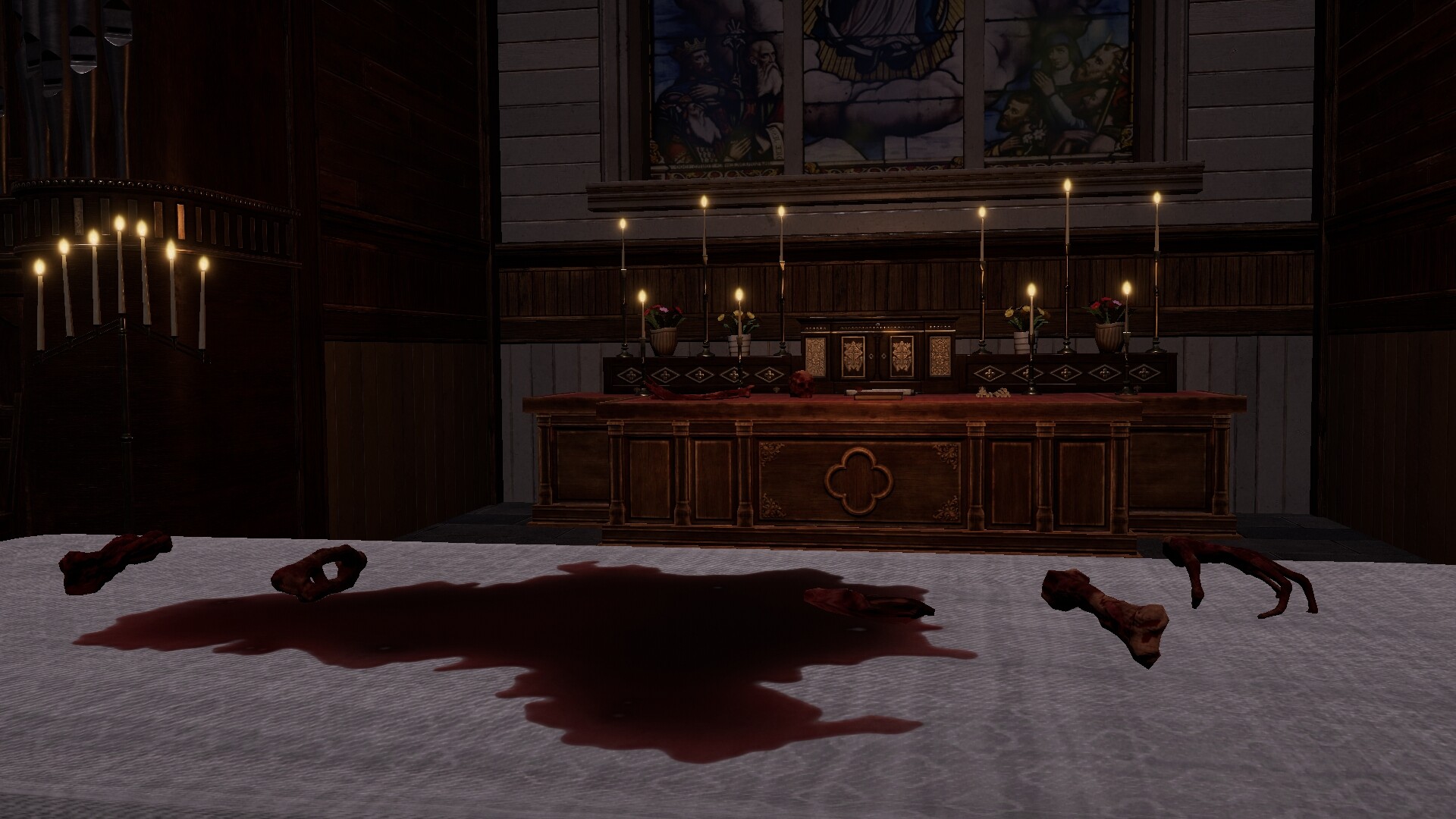
Player scenarios — who should wishlist it
- Inspection-first puzzle fans: you like cataloguing clues and building timelines from scattered documents and object states.
- Mystery-focused explorers: you prefer slow-burn atmosphere and narrative payoff from reading environmental story beats rather than combat or timed challenges.
- Accessibility-conscious players: the Steam categories include “playable without timed input,” subtitles, and color alternatives—features that make methodical play more comfortable.
- Not ideal if you want fast action or co-op: the title is listed as single-player and emphasizes solitary investigation.
How it compares — nearby mystery and puzzle games
| Title | Genre / Release | Puzzle focus | Exploration style | Pacing & tone | Best for |
|---|---|---|---|---|---|
| The Room | Adventure / 28 Jul, 2014 | Tactile mechanical puzzles, single-chamber devices | Focused, room-by-room object examination | Concentrated, tactile mystery | Players who like single-device puzzles and puzzle-box logic |
| The Room Two | Adventure / 5 Jul, 2016 | Expanded tactile puzzles with layered environments | Multi-room sequences with linked devices | Slow-unfolding, atmospheric | Fans of extended puzzle narratives with a tactile feel |
| Escape Simulator | Adventure / 19 Oct, 2021 | Highly interactive escape rooms, physics-based interaction | Room templates and community-made levels, more playful interaction | Variable—can be fast or slow depending on room | Players who want sandbox-y interaction and co-op options |
| Trace of the Villa | Action / Adventure / Indie — 28 May, 2026 | Environmental clue-chains, document forensics, locked systems | Exploratory mansion with linked puzzles and system restoration | Methodical, investigative, atmospheric | Readers of environmental storytelling who enjoy linking small discoveries into a larger conspiracy |
YouTube discovery
If you want to see how the mansion reads visually, search for trailers and gameplay clips on YouTube: Trace of the Villa trailer & gameplay (YouTube search). This link is provided for discovery; videos returned by that search may be official or community-captured — check each upload’s source if you need an official trailer.
Decision guide — should you wishlist it?
Wishlist Trace of the Villa if you prize environmental storytelling, object logic, and piecing together investigative chains from small details. If you prefer cooperative puzzle play, physics-driven sandbox interaction, or reflex-heavy gameplay, note that the Steam listing emphasizes single-player, restoration-driven investigation and a slow-burn tone.
Leave a Reply