Trace of the Villa: who should wishlist this atmospheric, evidence-led mansion mystery
Trace of the Villa drops you into a decaying, off-the-grid mansion where Jin follows manifests, encrypted documents and other traces that suggest his missing sister might still be alive. If you favor slow-burn, document-driven investigations that unfold room by room, this Steam release leans heavily on environmental storytelling and puzzle work that feels investigative rather than action-oriented.

Quick facts
| Title | Trace of the Villa |
|---|---|
| Steam appid | 3483660 |
| Release date | 28 May, 2026 |
| Developer | Steadyturtle Co., Ltd. |
| Publisher | Steadyturtle Co., Ltd. |
| Genres | Action, Adventure, Indie |
| Key Steam categories | Single-player; Color Alternatives; Custom Volume Controls; Playable without Timed Input; Subtitle Options; Family Sharing |
| Short premise (official) | Jin has spent years searching for his missing sister, pursuing leads that took him to a remote, decaying mansion where he recovered manifests and hints that indicate his sister may still be alive, somewhere at the end of the trail he is about to follow. |
What the game is — the investigative spine
According to the official Steam description, Trace of the Villa frames a playable investigation: Jin arrives at a deliberately forgotten estate and begins restoring power and systems to reveal hidden compartments, safes and encrypted documents. The evidence you uncover—manifests, suspicious transfer records, falsified identities and fragments of encrypted text—is presented as a trail of clues. The tone is investigative and document-led: you piece together timelines and operations from physical records rather than relying on overt combat or jump scares.
Where and when — Steam context
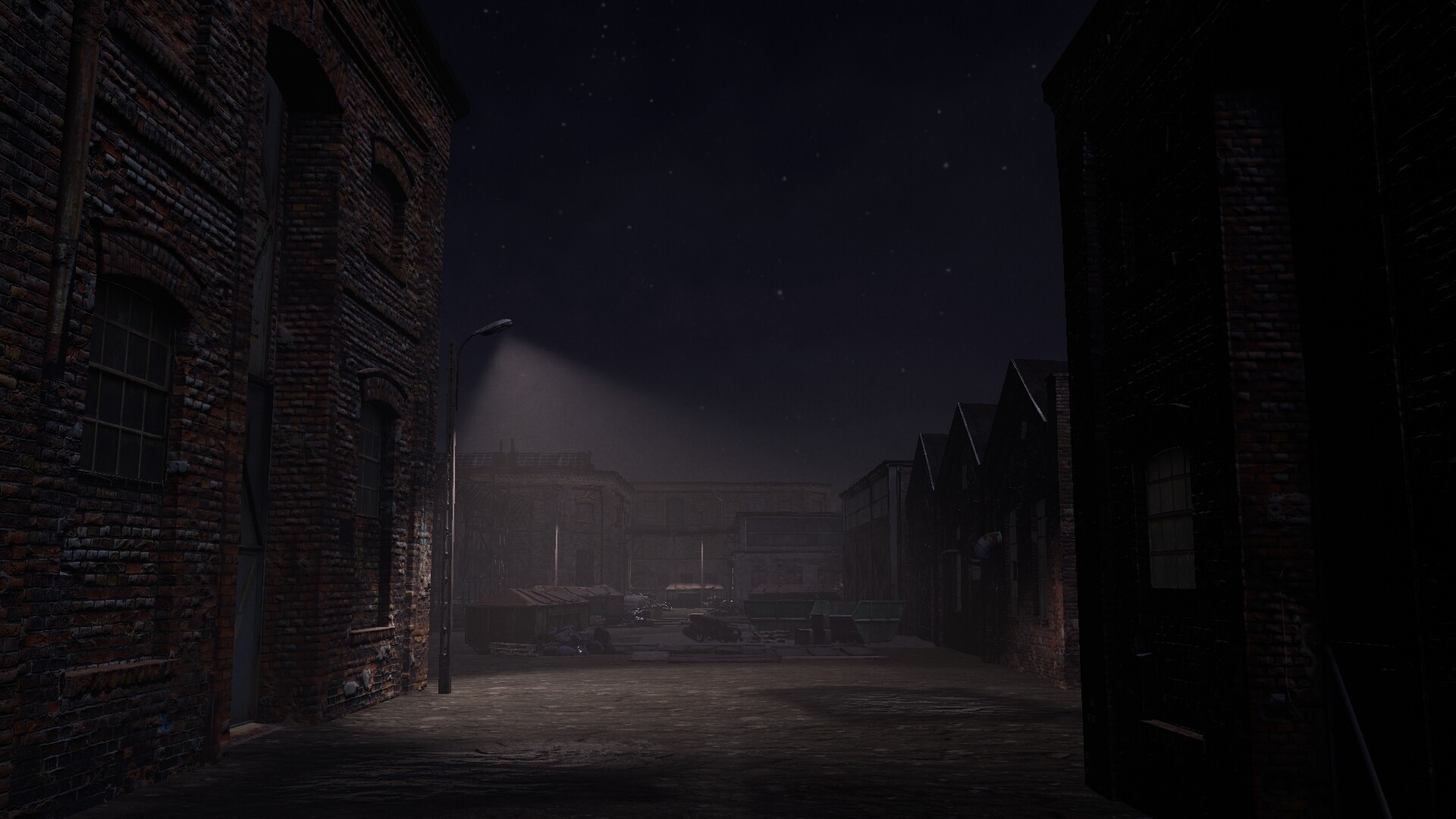
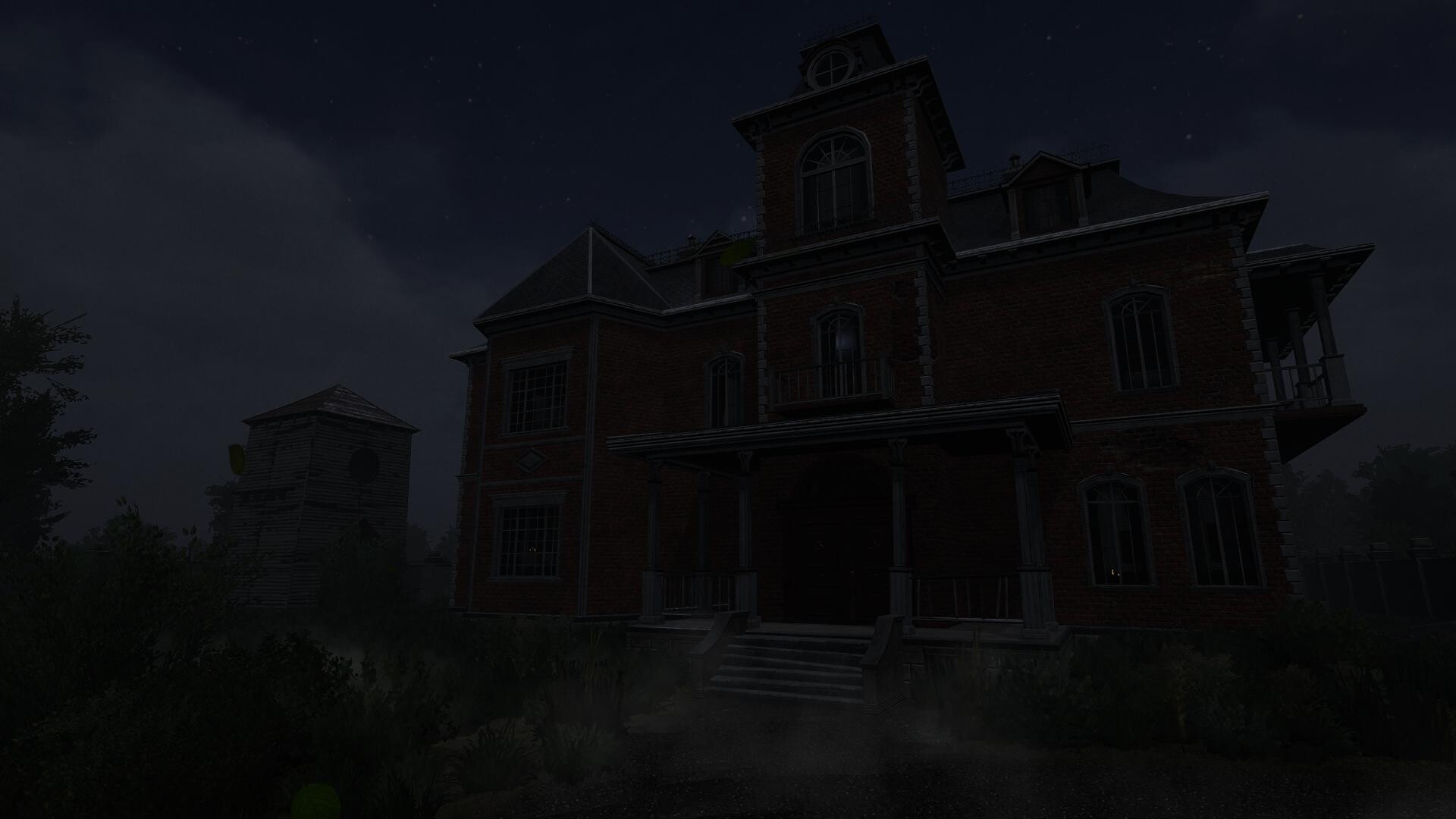
Trace of the Villa released on Steam on 28 May, 2026. It appears as a PC/Steam indie title from Steadyturtle Co., Ltd., listed under Action, Adventure and Indie and targeted at single-player audiences. The Steam page assets include a header and multiple screenshots that emphasize interiors, dark rooms and found documents — examples are embedded below.
Why the documents, dark rooms and evidence-led investigation matter
Trace of the Villa’s stated focus on restores-and-reveals—powering systems back on to access locked records, decrypting fragments and following manifests—places the player in a detective role. That matters for players who value narrative puzzles derived from reading and assembling material evidence: identity falsification, financial trails and secured systems become the game’s language of clue-gathering. If you prefer your mysteries to be solved by assembling physical or digital traces rather than by action reflexes, this is the design intent signposted on the Steam page.
How you read clues and progress
- Restoration triggers: The official description explicitly says restoring power brings systems back online and unlocks new evidence—so expect progression tied to reactivating estate infrastructure.
- Locked containers and encrypted fragments: The Steam text mentions safes, hidden compartments and encrypted documents; solving puzzles that open these is the core loop for uncovering timeline fragments and suspicious transfers.
- Timeline assembly: Manifests and transfer records are presented as evidence that must be interpreted to build a coherent timeline and trace movements linked to the mansion’s occupants.
Who should consider Trace of the Villa — specific player scenarios
Below are concrete player profiles based on the game’s official focus and surrounding Steam context.
- Document-first investigators: If you enjoy games that center reading, decrypting and assembling financial or identity clues to build a narrative, this is the explicit direction Trace of the Villa takes.
- Slow-burn atmosphere fans: Players who prefer slow, tension-building exploration of layered interiors—rooms that feel “erased” rather than destroyed—will find the mansion setting aligned with that taste.
- Puzzle players who like real-world logic: Those who like puzzle outcomes to come from working through safes, compartments and systems—rather than from combat or timed reaction tests—are likely the intended audience; the Steam categories include “Playable without Timed Input.”
- Single-player story seekers: The title is listed as single-player and places emphasis on narrative reconstruction rather than multiplayer or emergent systems.
How it sits next to other mystery and atmospheric adventure games
Below is a comparison focused on lawful editorial criteria—genre, atmosphere, puzzle focus, exploration style, story tone and pacing—so you can judge where Trace of the Villa might fit on your list.
| Title | Primary genre/feel | Atmosphere / focus | Puzzle focus | Exploration style | Story tone / pacing |
|---|---|---|---|---|---|
| Trace of the Villa | Action / Adventure / Indie | Mansion mystery; document- and evidence-led investigation | Decrypting documents, safes, hidden compartments | Room-by-room forensic exploration | Slow-burn investigative, timeline assembly |
| Amnesia: The Dark Descent | Action / Adventure / Indie | First-person survival horror; immersion and dread | Environmental puzzles often tied to survival | Wandering and survival exploration | Intense, dread-focused, horror pacing |
| SOMA | Action / Adventure / Indie | Sci-fi horror; existential and atmospheric | Puzzle and exploration mixed with narrative reveals | Structured levels with narrative beats | Reflective, unsettling, story-driven pacing |
| Layers of Fear (2016) | Adventure / Indie | Psychological horror in a Victorian manor | Environmental and narrative puzzles | Shifting mansion that emphasizes storytelling | Psychological, evolving atmosphere with slow reveals |
| The Room | Adventure / Indie | Focused puzzle-box mystery; intimate mechanical puzzles | Mechanical lock and puzzle-box solutions | Centered discoveries around small, contained objects | Measured, puzzle-driven, tightly paced |
| Rusty Lake Hotel | Adventure / Indie | Dark, eerie puzzle rooms with surreal touches | Point-and-click inventory and logic puzzles | Discrete rooms with vignette-style mysteries | Quirky, eerie, episodic pacing |
Comparison notes — deciding factors
- If you liked The Room’s focus on mechanical problem-solving at close range, Trace of the Villa’s safes and encrypted documents may appeal because both demand focused attention to discrete objects and clues.
- If you prefer survival/horror intensity (Amnesia, SOMA), note that Trace of the Villa is framed more as an evidence-led investigation; the Steam page emphasizes restoring systems and reading records rather than constant survival mechanics.
- If you enjoy narrative puzzles embedded in a mansion’s domestic spaces (Layers of Fear, Rusty Lake Hotel), the documented “rooms that look lived-in but erased” description signals comparable atmospheric interests, with a stronger emphasis on manifests and financial/identity traces in Trace of the Villa.
Where to find trailers and footage
Search YouTube for trailers or
Steam page
View Trace of the Villa on Steam
YouTube discovery
For trailer and gameplay discovery, use YouTube search rather than relying on unverified embeds: Find Trace of the Villa trailer and gameplay searches on YouTube.
Leave a Reply