
Trace of the Villa: A premise-first guide for players who want story context without spoilers
Jin has spent years searching for his missing sister, and a lead has brought him to a remote, decaying mansion where manifests and odd clues suggest she might still be alive. Trace of the Villa asks you to follow that trail—reading environments, powering systems back to life, and piecing together an erased history—without revealing the ending.

Quick facts
| Title | Trace of the Villa |
|---|---|
| Developer / Publisher | Steadyturtle Co., Ltd. |
| Steam App ID | 3483660 |
| Release date | 28 May, 2026 |
| Genres | Action, Adventure, Indie |
| Key Steam categories | Single-player; Color Alternatives; Custom Volume Controls; Playable without Timed Input; Subtitle Options; Family Sharing |
| Where to find it | Store page on Steam |
Who this is for
Trace of the Villa is aimed at players who prioritize atmosphere-driven mystery and environmental storytelling over loud spectacle. If you like slow-burn suspense, clue-driven exploration, and uncovering backstory by interacting with a world that feels deliberately curated and unsettled, this title is likely to fit your tastes. The game lists Action and Adventure as genres, so expect some movement and interactivity layered over investigative pacing rather than pure walking-sim simplicity.
What the game actually is (premise-first)
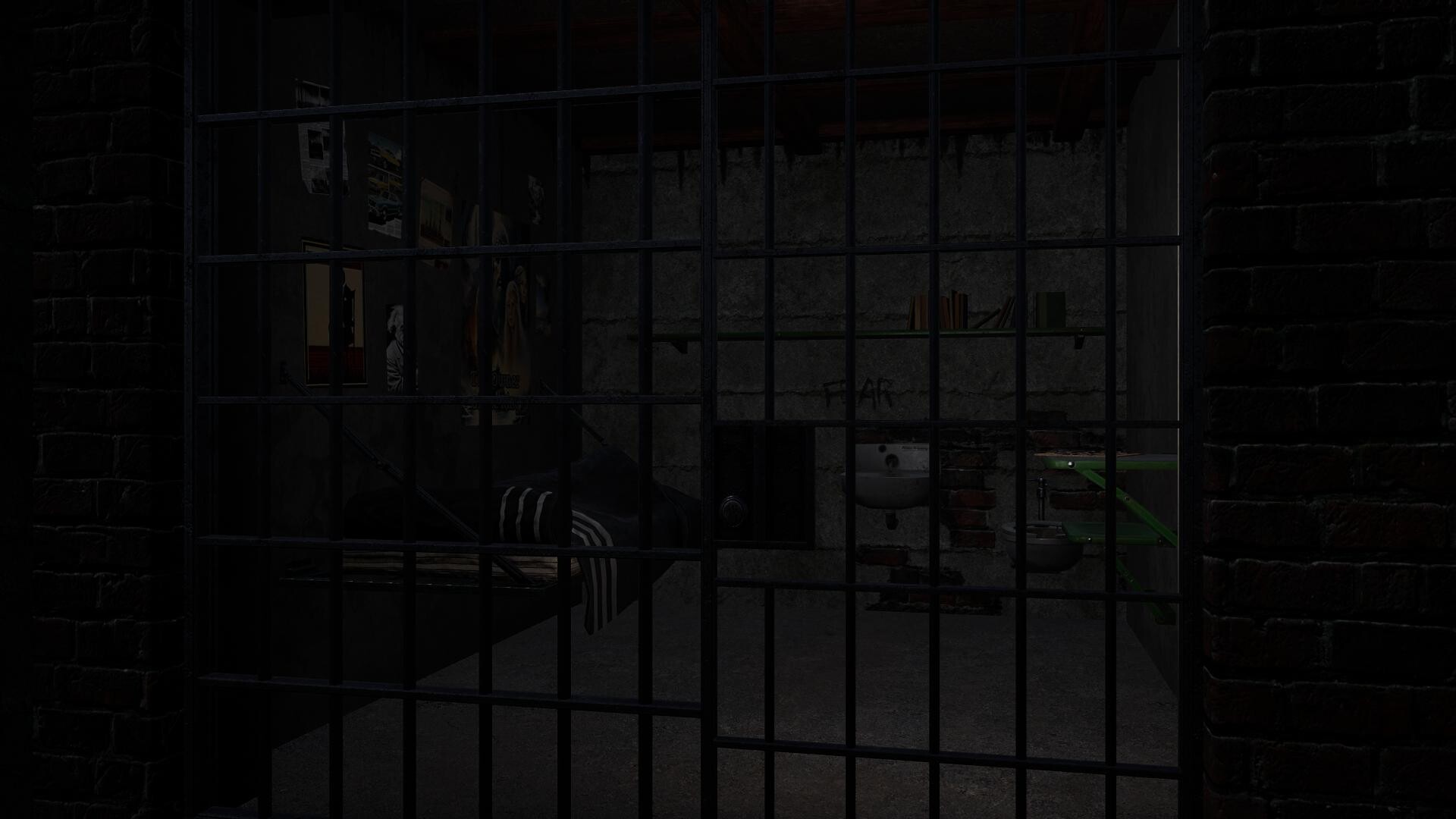
Officially: “Jin has spent years searching for his missing sister, pursuing leads that took him to a remote, decaying mansion where he recovered manifests and hints that indicate his sister may still be alive, somewhere at the end of the trail he is about to follow.” The developer and publisher are Steadyturtle Co., Ltd. The Steam description emphasizes a mansion that feels “less abandoned than erased”: rooms frozen mid-routine, missing identities, and locked systems concealing a larger, deliberately hidden operation.
When and where
Trace of the Villa released on Steam on 28 May, 2026. The Steam store page (linked above) is the primary discovery point for PC players; the page includes official assets and screenshots that show the mansion’s interior and interface. Use the store link to wishlist, follow updates, or check for platform notes and accessibility options like subtitle support and color alternatives.
Why the theme matters (narrative hooks without spoilers)
The narrative hook centers on erasure: identities removed, records falsified, and spaces staged to look inhabited while hiding the occupants’ names and histories. That creates two reading impulses for players — an investigative one (collect the manifests, decrypt fragments, follow transfer records) and an empathetic one (trace the human traces left behind). Because the story is revealed through environmental cues and secured systems that begin returning to life, the mansion itself is the primary storyteller.
How you read clues and make progress
According to the official description, restoration of estate systems is a key gameplay beat: when Jin restores power, “secured systems come back online. Hidden compartments unlock. Safes yield fragments of encrypted documents and suspicious transfer records.” Progress looks to be puzzle- and exploration-driven, with each solved puzzle revealing another layer of a “carefully concealed operation” — financial trails, falsified identities, and people who passed through under strict control. Expect environmental puzzle design and document fragments to drive the narrative forward rather than explicit cutscene expositions.

Player scenarios — decide if it’ll fit your playstyle
- You like atmospheric investigation: If you enjoy following forensic breadcrumbs—manifests, transfer records, and encrypted fragments—to reconstruct a timeline, this game’s premise suggests that approach.
- You prefer environmental storytelling: Rooms staged as if their occupants vanished mid-routine, and the absence of photographs or names, indicate strong, subtle world-building rather than explicit exposition.
- You want puzzle beats inside a narrative mystery: Restoring power, unlocking compartments, and decrypting documents are described as the means of advancement—good fit for players who like narrative puzzle design embedded in exploration.
- You want pure action or fast pacing: The title lists Action among its genres, but the emphasis in the official description is investigative and atmospheric. If you expect non-stop combat or arcade-style action, the pacing may feel slower and more contemplative than that expectation.
How Trace of the Villa compares to nearby story-rich indie mysteries
Below is a concise editorial comparison that focuses on atmosphere, puzzle emphasis, exploration style, and pacing — not on quality claims or endorsements.
| Title | Atmosphere & Tone | Puzzle / Investigation Focus | Exploration Style | Pacing / Player Fit |
|---|---|---|---|---|
| Trace of the Villa | Decaying mansion; erased identities; slow-burn suspense | Document fragments, locked systems, environmental puzzles | Close-quarters mansion exploration; clue-driven rooms | Deliberate, investigative; for environmental storytelling fans |
| Inscryption | Inky, psychological; meta layers and horror | Card-based puzzles blended with escape-room mechanics | Structured sequences with emergent revelations | Dark, puzzle-heavy; players who like layered surprises |
| Outer Wilds | Cosmic wonder, melancholy mystery | Clue-gathering across locales to decode a timeline | Open-world solar system exploration | Patient explorers who enjoy assembling a large narrative puzzle |
| The Medium | Psychological horror; dual-reality atmosphere | Story and environmental puzzles tied to spirit/real world | Set locations with layered access to memories | Players who like eerie tone and narrative-driven scares |
| The Forgotten City | Ancient, moral mystery with philosophical weight | Time-loop narrative puzzlesYouTube discoveryFor trailer and gameplay discovery, use YouTube search rather than relying on unverified embeds: Find Trace of the Villa trailer and gameplay searches on YouTube. CommentsMore posts |
Leave a Reply