
Trace of the Villa and the Power of Quiet Dread: Why Uncertainty Matters More Than Cheap Shock
Trace of the Villa places you in Jin’s shoes: a careful, forensic investigator drawn to a remote, decaying mansion by tantalizing manifests and fragments that may point to his missing sister. Released on 28 May, 2026 by Steadyturtle Co., Ltd., the game foregrounds slow-burn discovery and environmental storytelling over jump scares.

Who, What, When, Where, Why, How
Who is this for?
Players who prefer atmospheric mystery adventure and psychological investigation — people who enjoy clue-driven exploration, layered puzzles, and a slow-building sense of unease — will find the game aligned with their tastes. If you prize reading space, interpreting objects, and assembling a timeline from scattered evidence rather than twitch reflexes, this fits your profile.
What is Trace of the Villa?
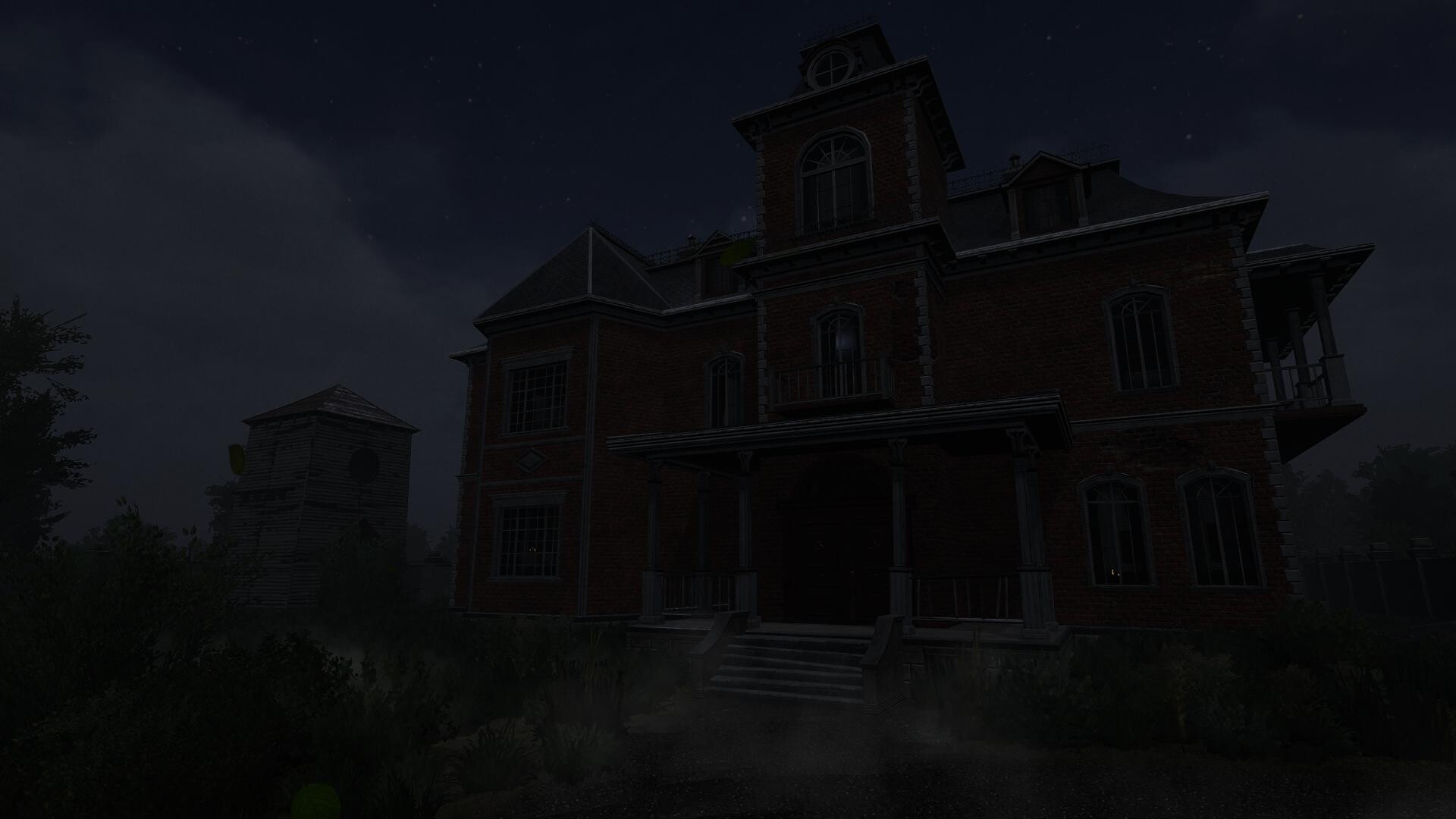
Trace of the Villa is an action/adventure indie released on Steam where protagonist Jin follows leads to a remote mansion and recovers manifests and hints suggesting his sister may still be alive. The official description emphasizes a house that feels “less abandoned than erased,” with furnished rooms frozen mid-routine and carefully concealed systems that, when reactivated, reveal encrypted documents and suspicious transfer records. The game combines investigation, environmental storytelling, and puzzle elements as you restore power, unlock compartments, and reconstruct what happened inside.
When and where is it available?
Trace of the Villa launched on Steam on 28 May, 2026. The Steam store page lists Steadyturtle Co., Ltd. as both developer and publisher. You can view the Steam page directly: Trace of the Villa on Steam.
Why the theme of quiet dread matters
Psychological horror built around uncertainty exploits a core human discomfort: the inability to make safe predictions about our environment. An empty mansion that seems to have had its occupants’ identities erased isn’t terrifying because something leaps out of the dark; it’s terrifying because the house refuses to explain itself. Trace of the Villa leans into that erasure—locked doors, missing names, and falsified records—that turns every ordinary object into a potential clue and every silence into a decision point. That kind of tension rewards patience and inference, and it changes how players interpret every photograph, ledger, and locked safe.
How you progress
The Steam description explicitly outlines how the player advances: Jin restores power to the estate to reactivate secured systems, opens hidden compartments and safes, and deciphers encrypted fragments and transfer records. Progression is driven by reconstructing timelines and following financial and identity trails that point to arrivals and departures without witnesses. In short, you read the house the way an investigator reads evidence: piece by piece, and often with growing unease.
Compact facts: Trace of the Villa
| Title | Trace of the Villa |
|---|---|
| Steam AppID | 3483660 |
| Developer / Publisher | Steadyturtle Co., Ltd. |
| Release Date | 28 May, 2026 |
| Genres | Action, Adventure, Indie |
| Categories (selected) | Single-player; Color Alternatives; Custom Volume Controls; Playable without Timed Input; Subtitle Options; Family Sharing |
| Short premise | Jin searches a decaying, remote mansion for clues to his missing sister, restoring power and uncovering hidden records and encrypted documents. |
Visual clues: a couple of in-game frames

Who should wishlist this on Steam?
- Players who enjoy story-rich adventure and environmental storytelling over reflex-based horror.
- Fans of slow-burn suspense and detective-like puzzle solving who like assembling narratives from physical clues.
- Those who prefer accessibility options and a single-player, non-timed investigation (the store lists “Playable without Timed Input” and subtitle options).
Who might hesitate?
- Gamers looking for frequent jump scares or high-octane action sequences may find the pacing deliberate rather than immediate.
- Players who want heavily multiplayer or competitive features—Trace of the Villa is single-player focused.
How it compares — editorial, on-genre context
Below is a concise, editorial comparison with nearby psychological and exploration-driven horror titles. These comparisons focus on genre, atmosphere, puzzle focus, exploration style, story tone, and pacing—criteria helpful for deciding fit, not for ranking or endorsement.
| Title | Release Date | Core Genre / Atmosphere | Puzzle & Exploration Focus | Story Tone & Pacing | Player fit |
|---|---|---|---|---|---|
| Trace of the Villa | 28 May, 2026 | Action / Adventure / Indie — decaying mansion, erased identities | Clue-driven: restoring systems, opening safes, decrypting records | Slow-burn, investigative, quiet dread | Players who value environmental storytelling and methodical investigation |
| Amnesia: The Dark Descent | 8 Sep, 2010 | Action / Adventure / Indie — immersive first-person horror | Exploration with light puzzles, heavy emphasis on immersion | Claustrophobic, tension via helplessness; persistent dread | Players seeking intense immersion and survival-focused vulnerability |
| SOMA | 21 Sep, 2015 | Action / Adventure / Indie — sci-fi psychological horror | Exploration and narrative puzzles tied to environment and systems | Philosophical, slow-unfolding story beneath the ocean | Players who want existential themes mixed with atmospheric exploration |
| Layers of Fear (2016) | 15 Feb, 2016 | Adventure / Indie — Victorian mansion, shifting rooms | Environment-based puzzles and changing spaces | Surreal, psychological disorientation; artistic descent | Players attracted to sensory, mind-bending mansion narratives |
| Poppy Playtime | 12 Oct, 2021 | Action / Adventure / Indie — abandoned factory, tense set-pieces
YouTube discoveryFor trailer and gameplay discovery, use YouTube search rather than relying on unverified embeds: Find Trace of the Villa trailer and gameplay searches on YouTube. CommentsMore posts |
Leave a Reply