
Trace of the Villa — a slow-burn mansion mystery for meticulous investigators
Trace of the Villa drops you into Jin’s long hunt for a missing sister, beginning at a decaying, off-grid mansion where manifests and fragmented records hint that she may still be alive. For lore hounds and clue-driven players who prize environmental storytelling and encrypted fragments over jump scares, this is an investigation framed as atmospheric action-adventure.

Quick facts
| Title | Trace of the Villa |
|---|---|
| Steam App ID | 3483660 |
| Release date | 28 May, 2026 |
| Developer | Steadyturtle Co., Ltd. |
| Publisher | Steadyturtle Co., Ltd. |
| Genres | Action, Adventure, Indie |
| Key Steam categories | Single-player; Color Alternatives; Custom Volume Controls; Playable without Timed Input; Subtitle Options; Family Sharing |
Who should wishlist this
If you read every note, inventory item and saved file to tease out a timeline, Trace of the Villa fits. The official premise centres on Jin finding manifests, encrypted fragments and suspicious transfer records in a mansion that feels “erased”—that language signals a structure built around discovery, slowly revealed systems, and puzzle-led progression rather than fast twitch platforming. Put simply: meticulous players, lore readers, and investigation fans who prefer piecing together story from environmental clues are the intended audience.
What the game is — narrative and play signals from the Steam page
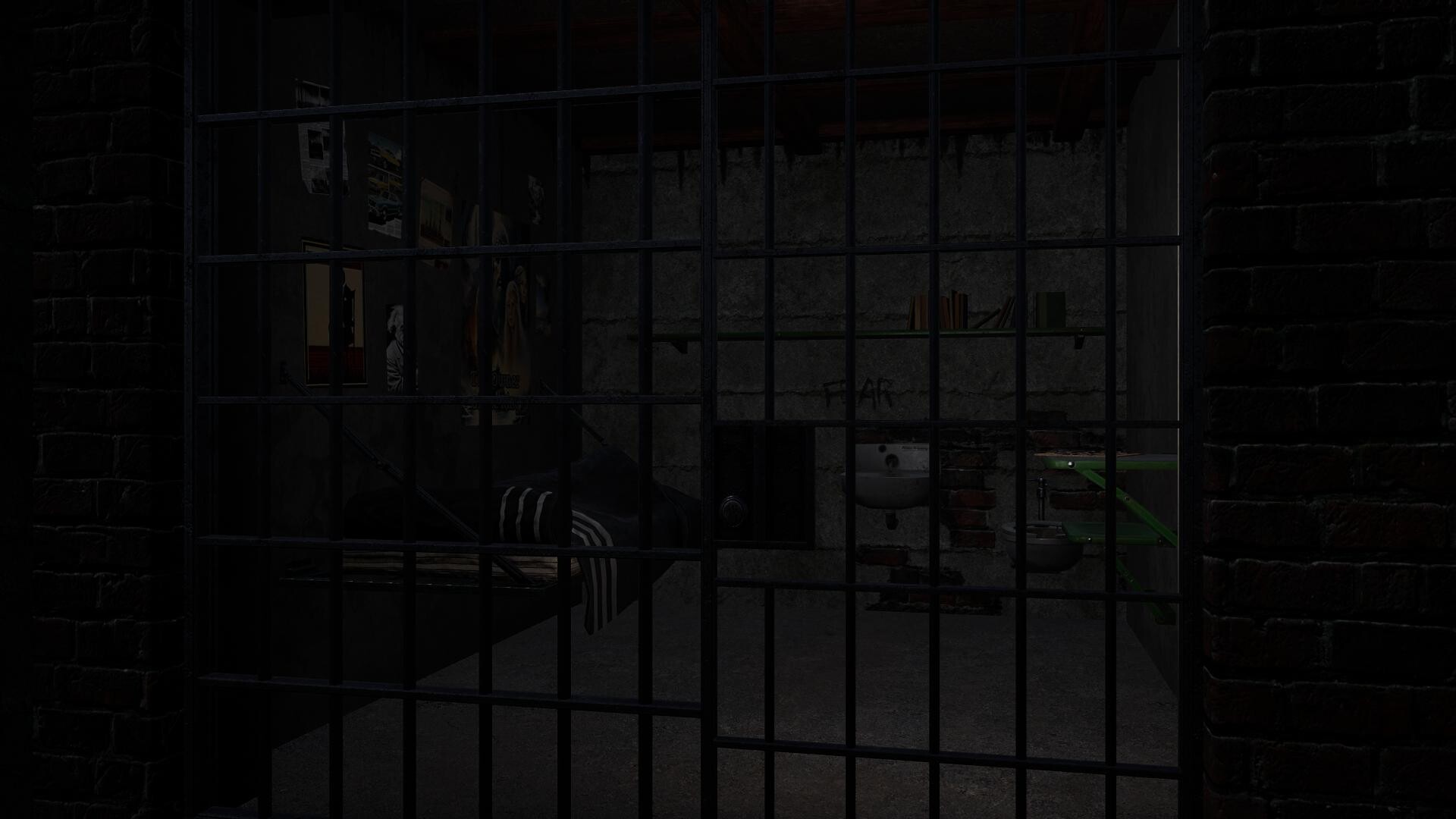
The official short description frames the premise: Jin has spent years searching for his missing sister and follows a lead to a remote, decaying mansion where recovered manifests and hints suggest she may still be alive. The longer Steam description adds texture: rooms set as if their occupants vanished mid-routine, missing names and photographs, secured systems that come back online when power is restored, hidden compartments and safes yielding encrypted documents and suspicious transfer records. Those elements point toward environmental storytelling, investigative puzzles, and a central mystery that unfolds as systems are restored and documents decrypted.
When and where
Trace of the Villa launched on Steam on 28 May, 2026. It’s listed as an Action / Adventure / Indie title on the Steam store (Single-player, with accessibility options such as Color Alternatives and Subtitle Options noted in the official categories).
Why the theme matters
On the Steam page the mansion is described as “less abandoned than erased.” That framing matters for players who prefer mysteries built from omission: missing records, falsified identities and financial trails that lead nowhere are narrative devices that reward careful reading. This is not merely about atmosphere; it’s about chronology. The developer’s approach—recovering manifests, restoring systems and parsing encrypted fragments—turns forensic curiosity into the primary gameplay loop.
How you investigate and progress
Official text on Steam makes clear the investigative beats: restore power, bring systems back online, unlock hidden compartments and safes, and assemble fragments of encrypted documents and transfer records to form a timeline. That suggests a progression loop where environmental interaction and puzzle solving unlock new layers of documentation; each discovery points you further down the trail. Expect exploration-driven puzzles, document analysis, and sequence reconstruction more than reflex-based encounters—though the game is categorized as Action and Adventure, the narrative emphasis on manifests and encryption signals a clue-led pace.

Player scenarios — who will get the most out of Trace of the Villa
- Folder archaeologist: You collect notes, cross-reference manifests and reconstruct timetables. If you replay sections to re-check a clue or re-read decrypted fragments, this game’s structure should reward that habit.
- Slow-burn detective: You prefer games where tension builds as the house’s systems reveal secrets. Restoring power to a wing and watching new information appear is a central pleasure for this playstyle.
- Atmosphere-first explorer: You value rooms staged to tell a story without explicit exposition. The Steam copy points to missing photographs and removed identities; these gaps are the kind of narrative scaffolding that appeals to players who infer character from objects.
How it compares to nearby story-rich mystery games
Below is a compact editorial comparison on lawful criteria—genre, atmosphere, puzzle focus, exploration style, story tone, and pacing—so you can decide fit without overreach.
| Title | Genre / Tone | Puzzle & Investigation Focus | Exploration Style | Player fit |
|---|---|---|---|---|
| Trace of the Villa | Action / Adventure / Indie — atmospheric mansion mystery | Document recovery, system restoration, encrypted fragments; clue-driven progression | Contained mansion with layered, unlocking areas | Meticulous lore readers and investigation fans who like forensic timelines |
| Inscryption | Adventure / Indie / Strategy — inky, meta-horror tone | Puzzle and meta-secrets embedded in card systems and environment | Card-driven rooms and escape-room style puzzles | Players who like emergent secrets across game systems |
| Outer Wilds | Action / Adventure — open-world cosmic mystery (noted as critically acclaimed) | Exploration-based puzzle solving and timeline reconstruction across celestial bodies | Open, interconnected solar system with discovery loops | Players who love wide, systemic mysteries and iterative learning |
| The Forgotten City | Adventure / Indie / RPG — narrative time-loop mystery | Dialogue and consequence-driven puzzles with a central investigative premise | Compact but socially complex environment with branching outcomes | Players who enjoy narrative cause-and-effect investigations |
| The Medium | Adventure — psychological horror with dual-reality exploration | Environmental puzzle solving that trades on juxtaposed realities | Linear but layered zones with parallel-reality interrogation | Players who appreciate psychological tone and dual-narrative tension |
| Journey | Adventure / Indie — contemplative exploration | Less puzzle-focused; discovery through movement and atmosphere | Open, flowing world with a focus on non-verbal narrative | Players drawn to mood and minimalist storytelling rather than forensic investigation |
Trailer and YouTube discovery
If you want gameplay footage or the trailer, search YouTube for Trace of the Villa trailer or gameplay: YouTube search: Trace of the Villa trailer/gameplay. This link is a discovery path; it may show official trailers and community footage.
Final take — who should wishlist
Wishlist Trace of the Villa if you prioritize narrative puzzle design and investigation over spectacle. The Steam listing emphasizes manifest recovery, encrypted fragments and systems that reveal secrets only once restored—exactly the scaffolding that rewards note-taking, timeline reconstruction and replay to chase unanswered questions.
View Trace of the Villa on Steam
Referenced titles and trademarks belong to their respective owners. Comparisons are editorial discovery only and do not imply endorsement or official connection.