Trace of the Villa — a slow-burn, clue-driven mansion mystery with missing-person stakes
Jin has spent years searching for his missing sister; a new lead brings him to a remote, decaying mansion where manifests and hints suggest she may still be alive. Trace of the Villa frames that personal obsession in a puzzle-first, environmental-storytelling structure where restoring power and unlocking sealed systems reveal the house’s carefully hidden history.

Who: the player this game is written for
Trace of the Villa is for players who prefer atmospheric mystery adventure over jump-scare horror: people who favor slow-burn suspense, methodical clue-gathering, and room-by-room deduction. If you enjoy narrative puzzle design where every unlocked system and decrypted fragment reframes what you thought you knew about a place and its occupants, this is targeted at that audience.
What: the essential facts
Trace of the Villa puts you in the shoes of Jin, investigating a decaying, off-grid mansion after finding manifests and hints that might reconnect him with his missing sister. The developer and publisher is Steadyturtle Co., Ltd.; the game is listed under Action, Adventure, Indie on Steam and supports single-player, color alternatives, custom volume controls, subtitle options, and other accessibility-friendly categories.
| Title | Trace of the Villa |
|---|---|
| Steam App ID | 3483660 |
| Release date | 28 May, 2026 |
| Developer / Publisher | Steadyturtle Co., Ltd. |
| Genres | Action, Adventure, Indie |
| Key categories | Single-player; Color Alternatives; Custom Volume Controls; Playable without Timed Input; Subtitle Options; Family Sharing |
| Official premise (short) | Jin has spent years searching for his missing sister, pursuing leads that took him to a remote, decaying mansion where he recovered manifests and hints that indicate his sister may still be alive. |
When & where: availability and Steam context
Trace of the Villa released on 28 May, 2026 and is available on Steam for PC. For direct access to the store page and to consider wishlisting, use the official Steam link: Trace of the Villa on Steam.
Why the missing-person theme matters here
The game’s tension hinges on character motivation and stakes: Jin’s search is personal, and the mansion’s condition reads like an intentional erasure. Official descriptions emphasize rooms “furnished as if occupants vanished mid-routine,” missing names and photographs, and falsified paperwork. That absence — identities removed, arrivals without records, departures without witnesses — turns exploration into an investigation of motive as much as fact. When a game centers on one protagonist trying to reconnect with a missing family member, every fragment of evidence is weighted by emotional stakes, which shifts puzzle design from abstract problem-solving to ethical and emotional discovery.
How progress and storytelling are structured
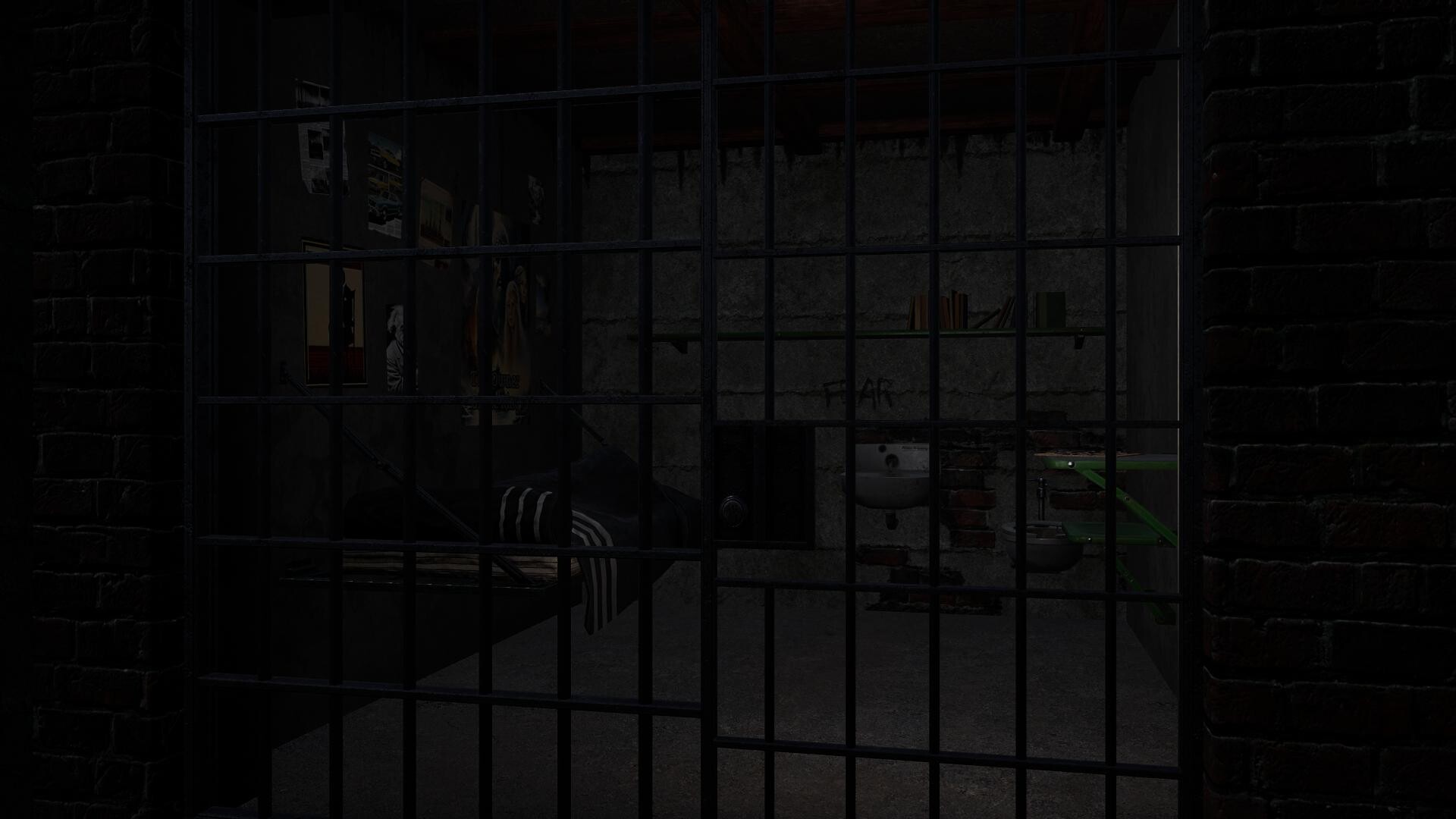
The official description makes the structure clear: restoring power and secured systems is the linchpin that reveals the house’s secrets. As Jin restores utilities and systems, “secured systems come back online,” hidden compartments unlock, and safes yield fragments of encrypted documents and suspicious transfer records. Progress appears to be clue-driven and layered: solve environmental puzzles and regain systems to access new evidence; each unlocked layer exposes financial trails, falsified identities, and movement patterns that suggest a larger, organized operation. Expect a mix of environmental storytelling, puzzle-based locks, and document-based reconstruction rather than action setpieces.

Player scenarios — who should wishlist this
- You’re drawn to environmental storytelling and slow revelation: you want to piece together a timeline from objects, logs, and locked systems rather than binary action progression.
- You value character motivation and missing-person stakes: the emotional through-line of Jin’s search matters and reframes discoveries about the mansion.
- You like puzzle-driven narratives where power restoration, safes, encrypted fragments, and manifests are the primary engines of progression.
- You prefer single-player, contemplative adventures with accessibility options (subtitles, custom volume, color alternatives) that emphasize reading and deduction over fast reflexes.
- You are less interested if you want broad open-world exploration, multiplayer systems, or narrative told primarily through external NPC dialogue rather than recovered documents and environment.
How it sits next to other story-rich indie mysteries
Below is a compact editorial comparison focusing on genre, atmosphere, puzzle focus, exploration style, story tone, and pacing — intended to help decide whether Trace of the Villa matches your tastes.
| Title | Similarities | Differences | Player fit |
|---|---|---|---|
| Inscryption | Dark tone, puzzle/escape-room elements, psychological unease (topic_research notes card-based puzzles and escape-room style puzzles). | Inscryption is primarily a card-based, roguelike/strategy hybrid with meta layers; Trace of the Villa is a room-scale, document-and-system-driven investigation in a mansion setting. | Choose Inscryption for game systems and meta-horror; choose Trace of the Villa for environmental clue-gathering and narrative reconstruction. |
| Outer Wilds | Exploratory mystery and an emphasis on discovery and reframing knowledge through environment (Outer Wilds is an open-world mystery about solar-system exploration). |
Leave a Reply