
Trace of the Villa — an escape-room style mansion mystery built around chained clues
Trace of the Villa puts you in Jin’s footsteps: a lone investigator following frayed manifests and locked doors through a deliberately forgotten mansion. It’s a story-rich, clue-driven adventure where environmental reading and puzzle-chain momentum are the engines of discovery.

What Trace of the Villa is — the essentials
Trace of the Villa (Steam appid 3483660) is an Action/Adventure Indie released on 28 May, 2026 by Steadyturtle Co., Ltd., who are also the publisher. Official copy frames the plot simply and precisely: “Jin has spent years searching for his missing sister, pursuing leads that took him to a remote, decaying mansion where he recovered manifests and hints that indicate his sister may still be alive, somewhere at the end of the trail he is about to follow.” The Steam listing emphasizes single-player exploration and accessibility options such as subtitle options, custom volume controls, color alternatives, and being playable without timed input.
Who this is for
- Players who prefer atmospheric mystery adventure and slow-burn suspense over twitch reflex challenges.
- Puzzle fans who like chained puzzles — each solved lock or recovered fragment reveals another step of the investigation.
- Readers of environmental storytelling: people who want to read rooms, trace financial and identity clues, and piece together a timeline from objects and powered systems.
- Accessibility-minded players who value subtitle options and the ability to play without timed input (listed Steam categories).
When and where — Steam details
Trace of the Villa launched on 28 May, 2026 and is available on Steam for PC. Developer and publisher: Steadyturtle Co., Ltd. It’s listed under Action, Adventure, and Indie, and the Steam page lists categories including Single-player, Color Alternatives, Custom Volume Controls, Playable without Timed Input, Subtitle Options, and Family Sharing.
Why the mansion matters — theme and tone
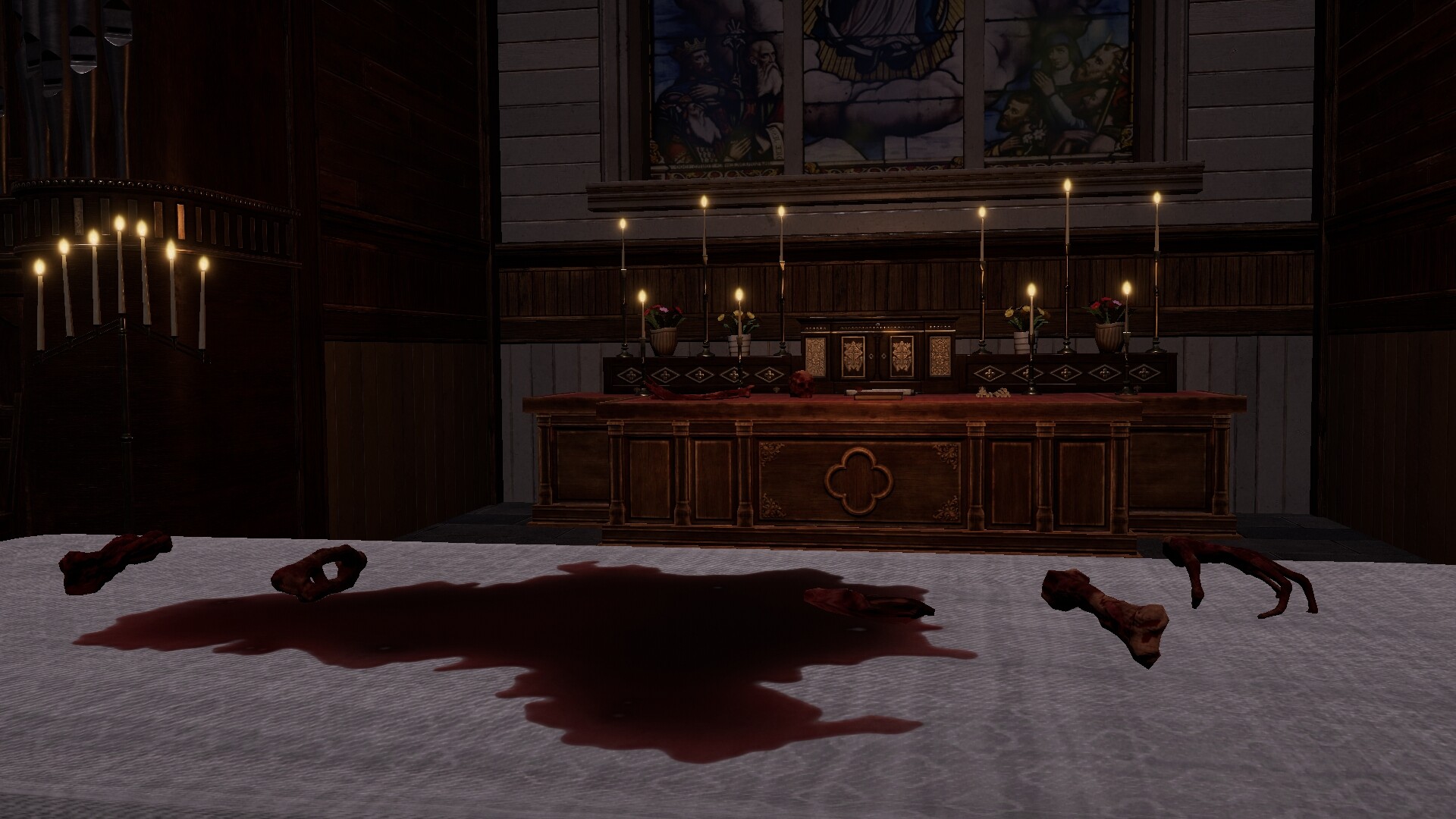
The Steam description frames the mansion as less an abandoned house and more a place where identities were erased: “Rooms remain furnished as if their occupants vanished mid-routine. Locked doors conceal hastily secured secrets. Personal belongings sit undisturbed, but there are no photographs, no names, no history — as if identities themselves were removed.” That set-up supports a psychological investigation tone rather than jump-scare horror: the tension comes from piecing together a history from traces, manifests, and encrypted fragments, and from the slow revelation of institutional or financial systems that concealed people and movements.
How progression, locked-room thinking, and clue chains fit
The game’s official description makes the core loop clear and instructive for escape-room style players: restoring power to the estate triggers systems, hidden compartments, and safes to become operable, and solving one puzzle produces documents or clues that lead to the next locked element. Expect a puzzle-chain momentum where environmental reading (furniture placement, absence of photos, sealed rooms) primes logical deductions, and mechanical reveals (power, safes, encrypted fragments) create new puzzle nodes. In practice that means locked-room thinking — treat each room as both a container of evidence and a gate to the next stage — and expect reading objects and manifests to be the connective tissue between puzzles rather than purely mechanical lock-and-key solutions.

Concrete player scenarios
- The Patient Detective: You enjoy methodical progress, cataloguing clues and following a timeline. You’ll appreciate the manifest-driven leads and the sense that each solved puzzle truly moves the story forward.
- The Environmental Reader: You parse scenery and props for narrative hints. The game’s emphasis on rooms “frozen mid-routine” rewards careful observation and connecting objects across spaces.
- The Accessibility-Conscious Player: You want a single-player mystery without harsh timing penalties and with subtitle and color options. The Steam page lists those as supported categories.
- The Action-Adventure Crossover Fan: The title is listed as Action and Adventure; if you like atmospheric mystery that occasionally leans into more kinetic beats, consider it — but expect the core loop to be investigation and puzzle chains rather than pure action combat.
How Trace of the Villa compares to nearby mystery and puzzle titles
Below is a concise editorial comparison focusing on genre, atmosphere, puzzle focus, exploration style, and pacing so you can match this title to your tastes rather than rating anything above or below other games.
| Title | Primary focus | Atmosphere / Tone | Exploration & Puzzle style | Best for |
|---|---|---|---|---|
| Trace of the Villa | Clue-driven narrative puzzles in a mansion setting | Slow-burn, unsettling, investigative | Environmental reading, chained puzzles, power/safes reveal new nodes | Players who want story-led, methodical investigations |
| The Room | Mechanical puzzle boxes and tactile solutions (Adventure/Indie) | Claustrophobic, mysterious | Focused object puzzles centered on safes and devices | Players who enjoy tight, handcrafted puzzle boxes |
| The Room Two | Expanded mechanical puzzles across varied locales | Cryptic, immersive | Layered mechanical contraptions and inspection | Those seeking a sequenced series of tactile puzzles |
| Escape Simulator | Highly interactive escape rooms, solo or co-op | Playful to tense depending on room | Physics interaction, moveable furniture, community rooms | Players who want high interactivity and community-created puzzles |
| Hi‑Fi RUSH | Rhythm-based action (Action) | Energetic, music-driven | Action and timing, not environmental puzzle chains | Players prioritizing action/rhythm over investigative puzzles |
Compact facts — Trace of the Villa
| Title | Trace of the Villa |
|---|---|
| Steam AppID | 3483660 |
Leave a Reply