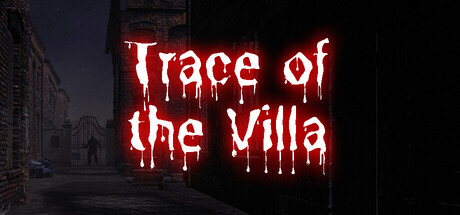
Trace of the Villa — a premise‑first guide for players who want story context without spoilers
Trace of the Villa drops you into Jin’s quiet, relentless investigation: years spent searching for a missing sister lead him to a remote, decaying mansion whose rooms look as if their occupants vanished mid‑routine. When the estate’s systems are restored, locked compartments, encrypted fragments, and falsified records begin to map out a deliberately erased history — and the trail points to someone who may still be alive.

Below is a spoiler‑free primer oriented around the premise, tone, and the kinds of narrative curiosity this game satisfies. Read it to decide whether to wishlist Trace of the Villa if you prize environmental storytelling, slow‑burn suspense, and clue‑driven exploration.
Quick facts
| Title | Trace of the Villa |
|---|---|
| Developer / Publisher | Steadyturtle Co., Ltd. |
| Release date | 28 May, 2026 |
| Steam AppID | 3483660 |
| Genres | Action, Adventure, Indie |
| Categories | Single‑player; Color Alternatives; Custom Volume Controls; Playable without Timed Input; Subtitle Options; Family Sharing |
Who it’s for
If you buy into atmospheric mystery adventure and prefer your story delivered through objects, logs, and spatial clues rather than dialogue dumps, this is tailored to you. Players who like investigation that gradually reconfigures how you read a location — rooms that feel “erased,” secured systems that flick back to life, isolated mansions with human traces but no names — will find the premise compelling.
What the game is (premise‑first, spoiler‑free)
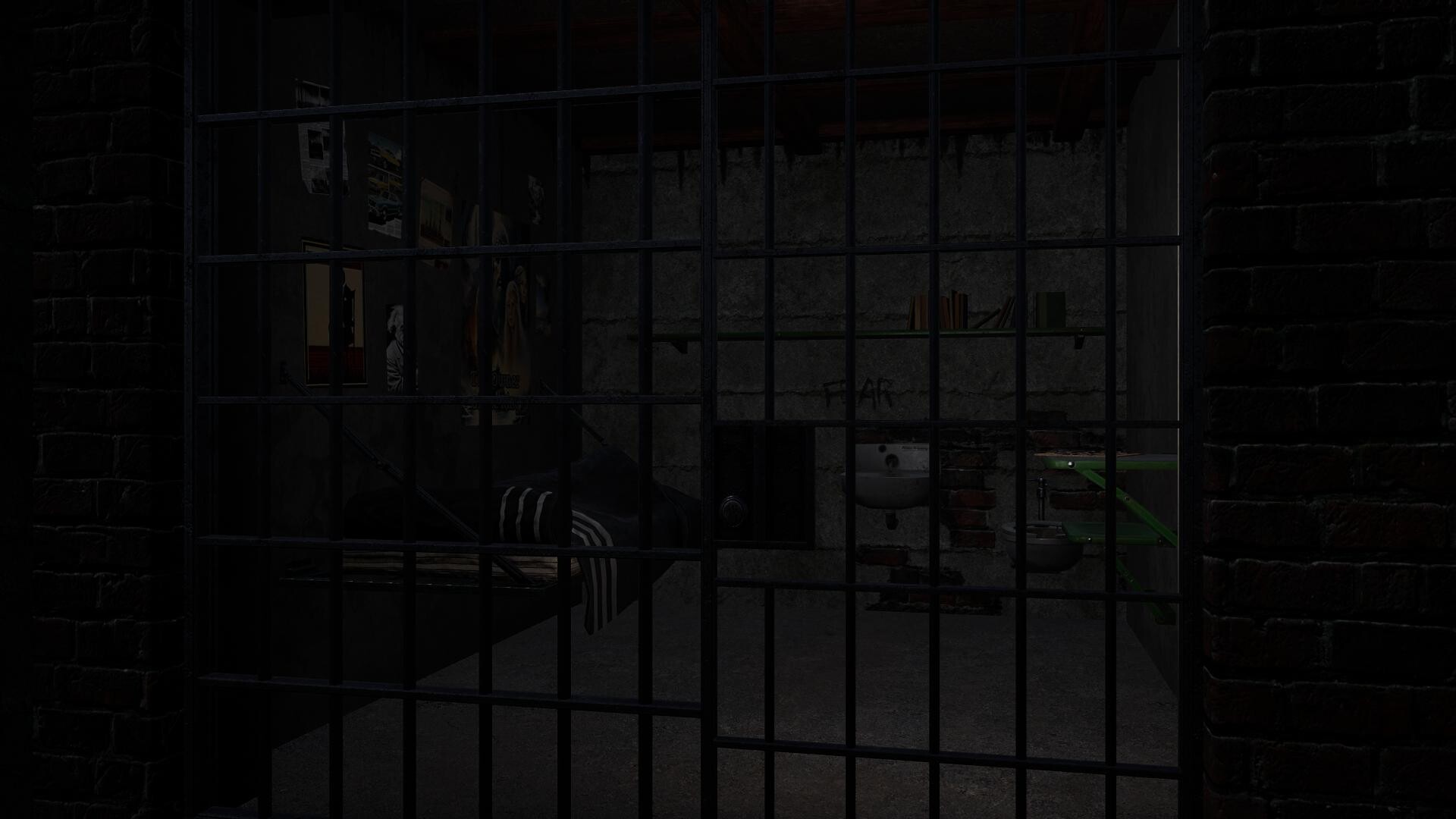
Official Steam text frames Trace of the Villa as Jin’s search: a lead brings him to a property “cut off from the grid and deliberately forgotten.” The estate shows signs of past occupancy yet lacks photographs, names, or clear identity markers — as if identities were removed. Restoring power is the inciting action: systems, safes, and hidden compartments begin to reveal encrypted documents, suspicious transfer records, and manifests that suggest people were moved under strict control. The core narrative drive is piecing together timelines and following financial and administrative traces that lead somewhere at the end of Jin’s trail.

When and where
Trace of the Villa released on Steam on 28 May, 2026. It’s listed as an Action / Adventure / Indie title on the Steam store and includes PC‑friendly accessibility and audio options such as subtitle options and custom volume controls.
Why the theme matters
The premise centers on erasure: not only missing people but missing records, falsified identities, and financial trails that end in dead air. That makes the story a study in reading absence — understanding what the house deliberately hides and why. For players interested in psychological investigation and slow‑burn suspense, Trace of the Villa promises a tone where forensic attention to detail yields narrative payoff.
How you progress — reading clues without spoilers
- Investigation is material: restoring power and accessing secured systems is described as the hinge moment that unlocks new information.
- Progression follows recovery and decryption: safes, encrypted documents, manifests, and transfer records are cited as the kinds of fragments you’ll assemble to form a timeline.
- Pacing is clue‑driven: each solved lock or revealed file appears to shed light on the larger operation suggested by falsified identities and controlled movements.
Player scenarios — who should wishlist it
- Serial investigators: you keep notebooks, cross‑reference logs, and enjoy following administrative trails across digital and physical evidence.
- Slow‑burn atmosphere fans: you prefer exploration that rewards patience and attention rather than rapid action setpieces.
- Environmental storytellers: you want narrative delivered by staged rooms, leftover belongings, and the structure of a place rather than heavy exposition.
- Accessibility‑aware players: the Steam page lists subtitle options, custom volume controls, and color alternatives, which helps players who need configuration flexibility.
How it sits beside other story‑rich mysteries
Below is a concise editorial comparison to titles that often come up in discovery conversations — focusing only on genre, atmosphere, puzzle focus, exploration style, story tone, and pacing. This is editorial discovery, not endorsement.
| Title | Similarities | Key differences | Best for players who… |
|---|---|---|---|
| Inscryption | Mystery atmosphere; gradual unraveling of deeper systems | Inscryption blends deckbuilding and meta‑puzzle mechanics; Trace of the Villa is framed around a mansion investigation and document‑driven traces | Enjoy meta surprises and mechanical genre shifts (Inscryption) vs. preference for spatial, environmental investigation (Trace) |
| Outer Wilds | Exploration‑first storytelling; piecing together a timeline from environmental clues | Outer Wilds uses open celestial exploration and an overarching time loop; Trace is set in a remote estate with forensic document clues and restored systems | Prefer cosmic, open‑world mystery (Outer Wilds) vs. contained mansion forensics (Trace) |
| Journey | Strong emphasis on atmosphere and nonverbal storytelling | Journey focuses on minimalist, almost wordless exploration and emotional arc; Trace emphasizes investigative artifacts and decrypted records | Want meditative, wordless discovery (Journey) vs. clue‑heavy narrative puzzles (Trace) |
| The Forgotten City | Narrative puzzle design and mystery tone | The Forgotten City uses time manipulation and moral puzzle structures in an ancient setting; Trace is rooted in contemporary documents, falsified identities, and a mansion’s hidden systems | Like moral/time puzzles and dense narrative hooks (Forgotten City) vs. forensic, document‑based investigation (Trace) |
| The Medium | Psychological investigation and a deserted property vibe | The Medium features dual‑realm exploration and supernatural elements; Trace’s description centers on erased records, encrypted transfers, and a human investigative trail | Prefer psychological, dual‑realm horror (The Medium) vs. realistic forensic mystery (Trace) |
YouTube discovery
If you want to watch trailers or gameplay before deciding, search for video content using this YouTube query path (note: this is a discovery link, not a verified official video): Search Trace of the Villa trailers & gameplay on YouTube.
Steam link: Trace of the Villa on Steam
Disclaimer: Referenced titles and trademarks belong to their respective owners. Comparisons are editorial discovery only.
Leave a Reply