Trace of the Villa — why silence, unsettling rooms, and slow dread matter more than shock claims
Trace of the Villa frames its tension around an erased past: Jin follows leads to a remote, decaying mansion where furnished rooms look abandoned mid-routine and restoring power peels back layers of hidden systems and falsified identities. For players who prefer atmospheric mystery adventure and narrative puzzle design over cheap jump scares, the game promises a slow-burn psychological investigation rooted in environmental storytelling and quiet, escalating dread.

Who this is for
Players who prize environmental dread and design over reflex-based horror: you like exploration that reads like detective work, rooms that communicate absence and history, and a slow accumulation of evidence that reframes what you thought you knew. If you appreciate story-rich adventure, clue-driven exploration, and psychological investigation rather than frequent jump scares, Trace of the Villa is aimed at you.
What the game is
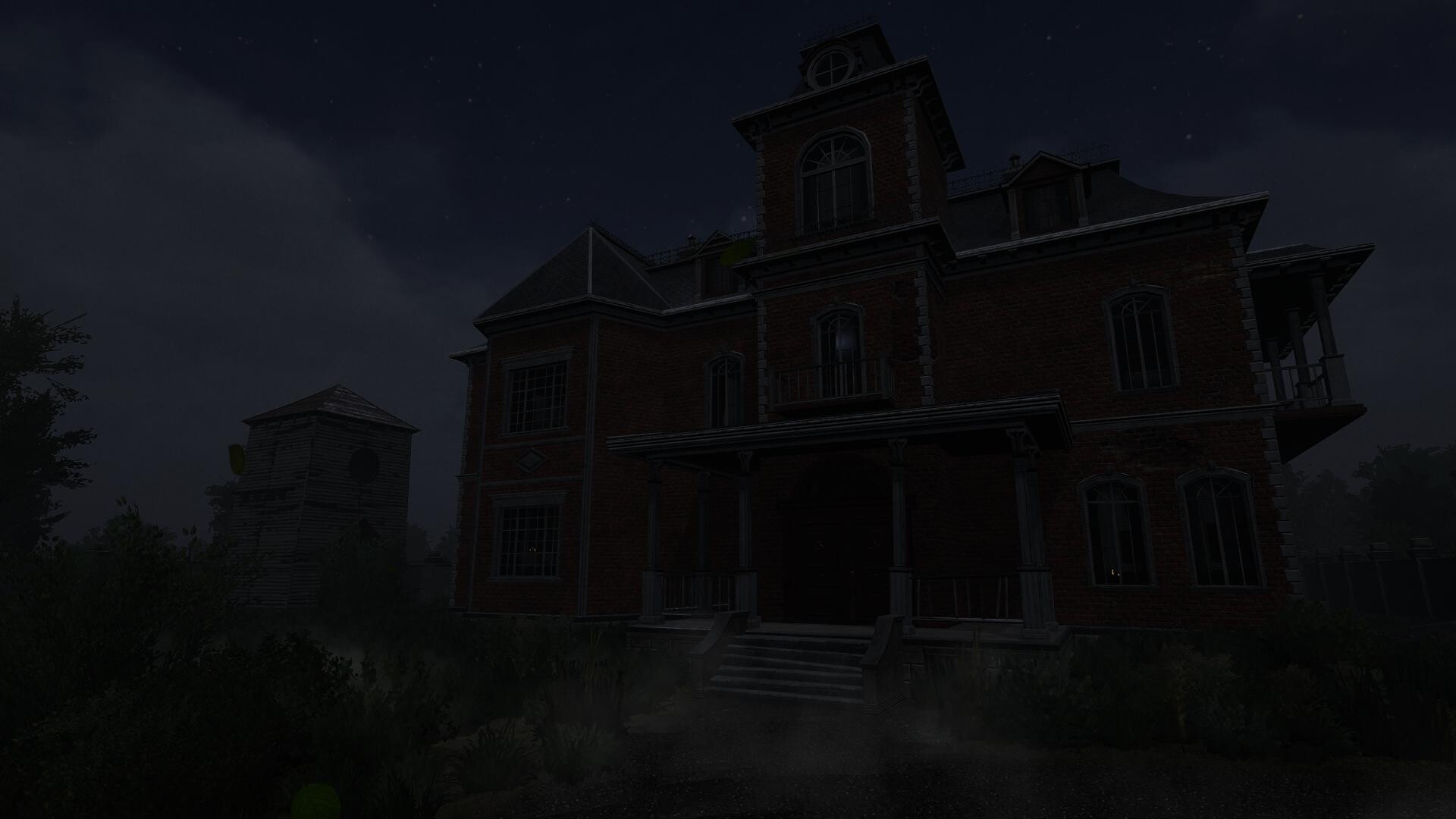
Trace of the Villa is a Steam PC release from Steadyturtle Co., Ltd., listed under Action, Adventure, Indie. You play Jin, a searcher tracking a missing sister to a deliberately forgotten mansion. The estate’s silence is part of the story: rooms are furnished as if occupants vanished mid-routine; identities and photographs are conspicuously absent. Restoring power triggers secured systems, reveals hidden compartments and encrypted fragments, and turns investigation into a timeline of controlled, recordless arrivals and departures.
When and where — Steam details
Title: Trace of the Villa — released 28 May, 2026 on Steam. Developer / Publisher: Steadyturtle Co., Ltd. It is presented as a single-player experience on PC with accessibility options noted in the store categories.
Why the quiet tension matters
Psychological horror that relies on silence and room composition does two things jump-scare games can’t: it invites inspection, and it weaponizes expectation. An emptied bedroom, a table laid for no one, the absence of photographs — those design choices create constant low-level threat. Players become complicit investigators: every unlocked drawer, flicker of power, and recovered manifest is its own small revelation. That sustained uncertainty is the core of environmental dread; it replaces shock with an accumulating sense of wrongness that lingers after you stop playing.
How progression, clues, and puzzles are presented
The Steam description makes the systems clear and concrete: Jin restores power to the estate, secured systems come back online, hidden compartments unlock, and safes yield fragments of encrypted documents and suspicious transfer records. Progression is investigative and puzzle-oriented — recover manifests and hints, piece together timelines, and follow financial and identity anomalies that suggest the mansion was part of a controlled operation rather than a simple residence. The game’s categories (including Custom Volume Controls, Playable without Timed Input, Subtitle Options) suggest an emphasis on paced, readable puzzle solving rather than frantic reaction tests.
Official facts
| Title | Trace of the Villa |
|---|---|
| Steam AppID | 3483660 |
| Release date | 28 May, 2026 |
| Developer | Steadyturtle Co., Ltd. |
| Publisher | Steadyturtle Co., Ltd. |
| Genres | Action / Adventure / Indie |
| Notable categories | Single-player; Color Alternatives; Custom Volume Controls; Playable without Timed Input; Subtitle Options; Family Sharing |
| Store page | Trace of the Villa on Steam |

How it compares — quiet dread versus other psychological titles
Below is a concise editorial comparison to help decide if Trace of the Villa fits your tastes. Comparisons focus on tone, puzzle/exploration balance, pacing, and player fit.
| Title | Tone / Atmosphere | Focus (puzzle / exploration) | Pacing | Player fit |
|---|---|---|---|---|
| Trace of the Villa | Quiet environmental dread; erased identities and institutional secrecy | Clue-driven exploration with puzzle elements revealed via restored systems | Slow-burn, investigative | Players who prefer investigative storytelling and atmospheric design over repeated jump scares |
| Amnesia: The Dark Descent | Claustrophobic, immediate survival dread | Exploration with sanity mechanics and survival tension | Tense, often urgent | Players who want immersion and constant vulnerability |
| SOMA | Existential sci-fi dread, isolated undersea setting | Narrative exploration with philosophical puzzles | Methodical, story-driven | Players drawn to speculative fiction and narrative questions about identity |
| Layers of Fear | Psychological, surreal mansion horror focused on memory and perception | Exploration with changing level design and story beats | Variable — can be disorienting and theatrical | Players who enjoy shifting reality and atmospheric storytelling |
| Poppy Playtime | Playful-terrifying factory horror with toy-based antagonists | Puzzle-adventure with item-based tools and stealth elements | More action-led and scripted set-pieces | Players looking for puzzle gadgets and encounters rather than ambient dread |
Player scenarios — who should wishlist Trace of the Villa?
- You’re drawn to atmospheric mystery adventure where rooms and objects tell the story; you read surfaces and gaps as clues.
- You prefer detective-style progression: restore systems, decode fragments, and follow a timeline rather than repeated combat or timed reflex challenges.
- You want a game that emphasizes environmental dread and unsettling room design over overt jump-scares and scripted shocks.
- You care about accessibility in pacing — categories like Playable without Timed Input and Custom Volume Controls indicate options for a controlled experience.
YouTube discovery
Looking for trailers or gameplay clips? Use this YouTube search to find footage and player impressions: search Trace of the
Leave a Reply