
Trace of the Villa — an inspection-first mansion mystery that rewards locked-room thinking
Trace of the Villa stages its mystery inside a cut-off, decaying mansion where the lead character Jin restores power and teases secrets out of the house itself. Released on 28 May, 2026 and developed and published by Steadyturtle Co., Ltd., the game leans on environmental reading, object logic, and chained clues rather than twitch reflexes.

Quick facts
| Title | Trace of the Villa |
|---|---|
| Steam AppID | 3483660 |
| Release date | 28 May, 2026 |
| Developer / Publisher | Steadyturtle Co., Ltd. |
| Genres | Action, Adventure, Indie |
| Categories (selected) | Single-player; Playable without Timed Input; Subtitle Options; Color Alternatives |
Who should wishlist this
Trace of the Villa is aimed at players who prefer slow-burn, inspection-heavy mystery: those who enjoy reading objects in a space, following evidence chains, and solving puzzles that unlock narrative fragments. The inclusion of “Playable without Timed Input” and subtitle options on the Steam page suggests it accommodates methodical, accessibility-minded play rather than twitchier action-orientated approaches.
What the game actually is
The official short description frames the premise plainly: “Jin has spent years searching for his missing sister, pursuing leads that took him to a remote, decaying mansion where he recovered manifests and hints that indicate his sister may still be alive, somewhere at the end of the trail he is about to follow.” The fuller Steam description makes the core loop clear: restore power, bring systems back online, open hidden compartments and safes, and gather encrypted documents, manifests and transfer records that point toward a larger concealed operation.

When and where
Trace of the Villa is available on Steam as of 28 May, 2026. The Steam page lists it for PC under Action / Adventure / Indie and uses standard storefront categories like Single-player, Color Alternatives, Custom Volume Controls, and Subtitle Options.
Why the mansion and theme matter
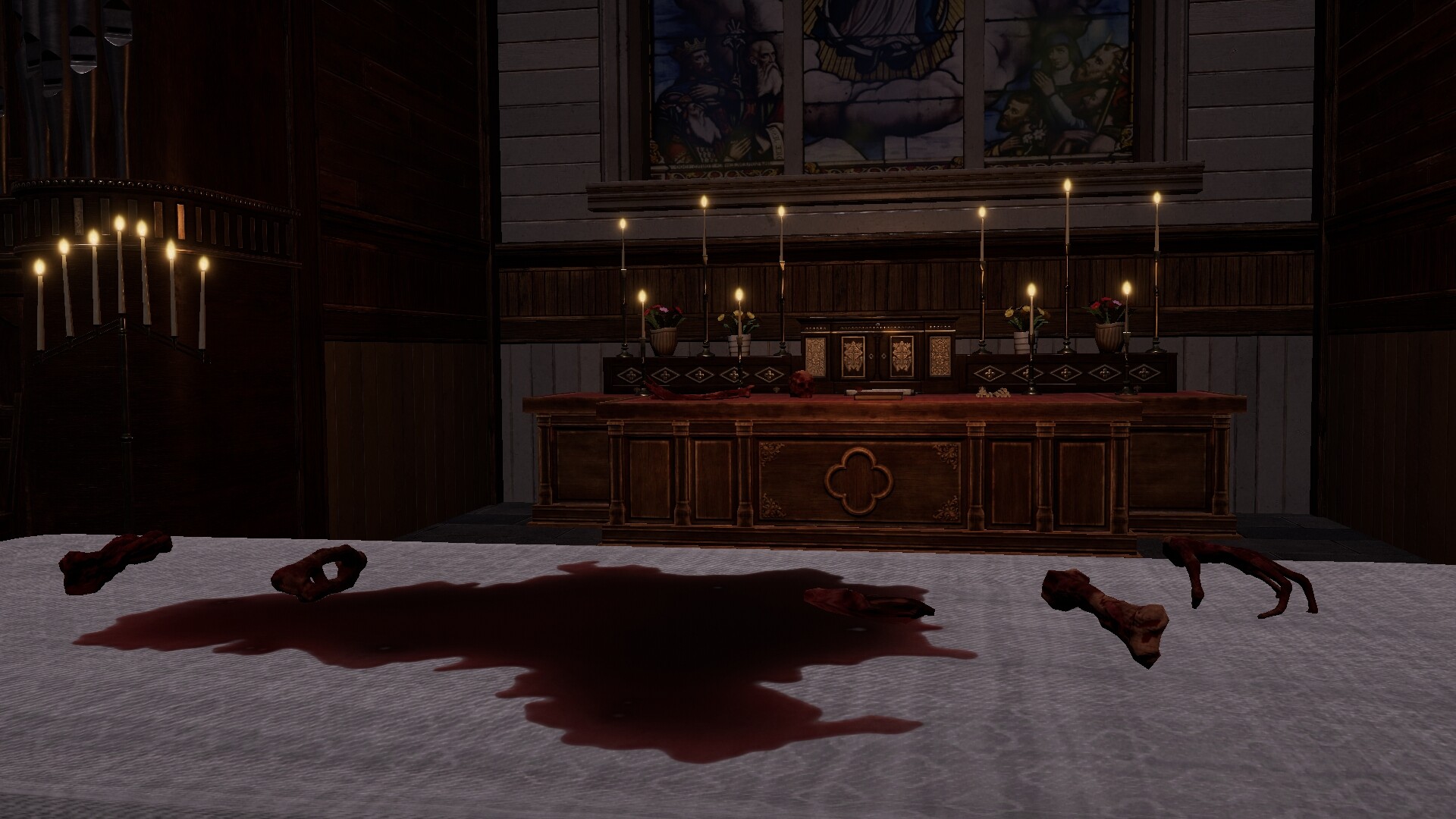
Mansion mysteries work well when the environment itself stores the narrative — and Trace of the Villa makes that explicit. The Steam description stresses rooms that look as if occupants vanished mid-routine and deliberately erased identities. That setup primes environmental storytelling: evidence won’t just be text logs but objects, locked containers, systems that must be reactivated, and financial or identity fragments that chain into a larger timeline. For players who prize atmosphere and the gradual accumulation of meaning, that matters more than combat or set-piece spectacle.
How progression, object logic and clue chains are used
The Steam text describes a concrete mechanical arc: restoring power reactivates secured systems; hidden compartments and safes yield fragments of encrypted documents and suspicious transfer records. Those elements imply a puzzle structure built on inspection-heavy tasks — examine objects, cross-reference documents or manifests, and use environmental cues to infer access methods. This is locked-room thinking: each solved micro-puzzle yields another node in a chain of evidence, so progress depends on careful reading of the house rather than reflexes or randomized difficulty.
Because the page includes “Playable without Timed Input,” you can expect most challenges to allow careful, patient investigation. That makes the title a straightforward fit for players who like to hover over an object, test a hypothesis, and trace a lead to its logical conclusion.
Player scenarios — who will enjoy it and how to approach play
- Inspection-first players: If you enjoy methodically opening every drawer, reading labels, and mapping timelines from documents, plan for a paced session where you treat each room as a dossier.
- Clue-chain solvers: Players who like the satisfaction of linking small discoveries into a larger conspiracy will appreciate the manifests, transfer records, and encrypted fragments called out on the Steam page.
- Atmosphere and narrative fans: If slow-burn suspense and psychological investigation matter more than set-piece action, the mansion-as-evidence approach will likely resonate.
- Accessibility-minded players: The Steam categories (subtitles, color alternatives, no timed input) make it reasonable for players who need a non-twitch experience.
How it compares (short editorial table)
| Title | Primary puzzle focus | Atmosphere / tone | Player fit |
|---|---|---|---|
| The Room | Mechanical puzzle boxes and object inspection | Mysterious, claustrophobic puzzle-box tone | Players who like tactile, isolated puzzle challenges |
| The Room Two | Expanded object puzzles with layered metaphysical elements | Gothic and uncanny, still puzzle-centric | Those who want deeper narrative threads tied to puzzle devices |
| Escape Simulator | Highly interactive, physics-enabled escape rooms (solo or co-op) | Playful, variety-driven room design | Players who want sandbox interaction and community-made rooms |
| Hi‑Fi RUSH | Action and rhythm-driven combat, not puzzle investigation | High-energy, music-synced spectacle | Players seeking action and rhythm focus rather than environmental mystery |
Editorial note: these comparisons focus on genre, puzzle emphasis, atmosphere, and player preference rather than claims of quality or awards.
YouTube discovery
If you want trailer or gameplay snippets, search YouTube for Trace of the Villa using this query path: Trace of the Villa trailer & gameplay. This link is for discovery/search — it does not claim a verified official video.
Decision checklist — should you wishlist it?
- Wishlist if you prefer exploration that rewards long inspection sessions, reading environmental cues, and following evidence chains.
- Consider alternatives if you prefer physics-driven sandbox puzzles (Escape Simulator) or high-tempo action and rhythm (Hi‑Fi RUSH).
- Note the Steam page’s accessibility-oriented categories if you
Steam page
Leave a Reply