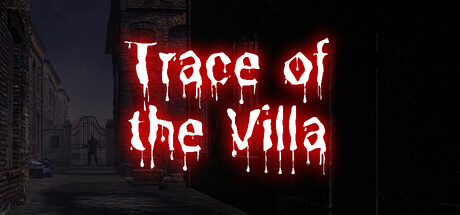
Trace of the Villa — a slow-burn, clue-driven mansion mystery
Trace of the Villa drops you into Jin’s long, personal search for a missing sister, where a remote, decaying mansion with erased identities and locked systems becomes the story engine. The game leans on environmental storytelling and narrative puzzle design: restore power, read manifests and encrypted fragments, and follow a trail of small discoveries that gradually redraw what the house — and its occupants — were really used for.

Quick facts
| Title | Trace of the Villa |
|---|---|
| Steam App ID | 3483660 |
| Release date | 28 May, 2026 |
| Developer / Publisher | Steadyturtle Co., Ltd. |
| Genres | Action · Adventure · Indie |
| Key Steam categories | Single-player; Color Alternatives; Custom Volume Controls; Playable without Timed Input; Subtitle Options; Family Sharing |
| Premise | Jin follows leads to a decaying, off-grid mansion and recovers manifests and hints that his missing sister may still be alive at the end of the trail. |
Who should wishlist it
Players after a story-first mystery with slow-burn suspense and environmental clues will be the best fit. If you value atmospheric exploration, piecing together a timeline from scattered documents and systems that unlock as you progress, Trace of the Villa is aimed at you. It’s also designed for single-player audiences who prefer readable pacing (the Steam tags include “Playable without Timed Input” and accessibility features like color alternatives and subtitle options).
What the game actually is
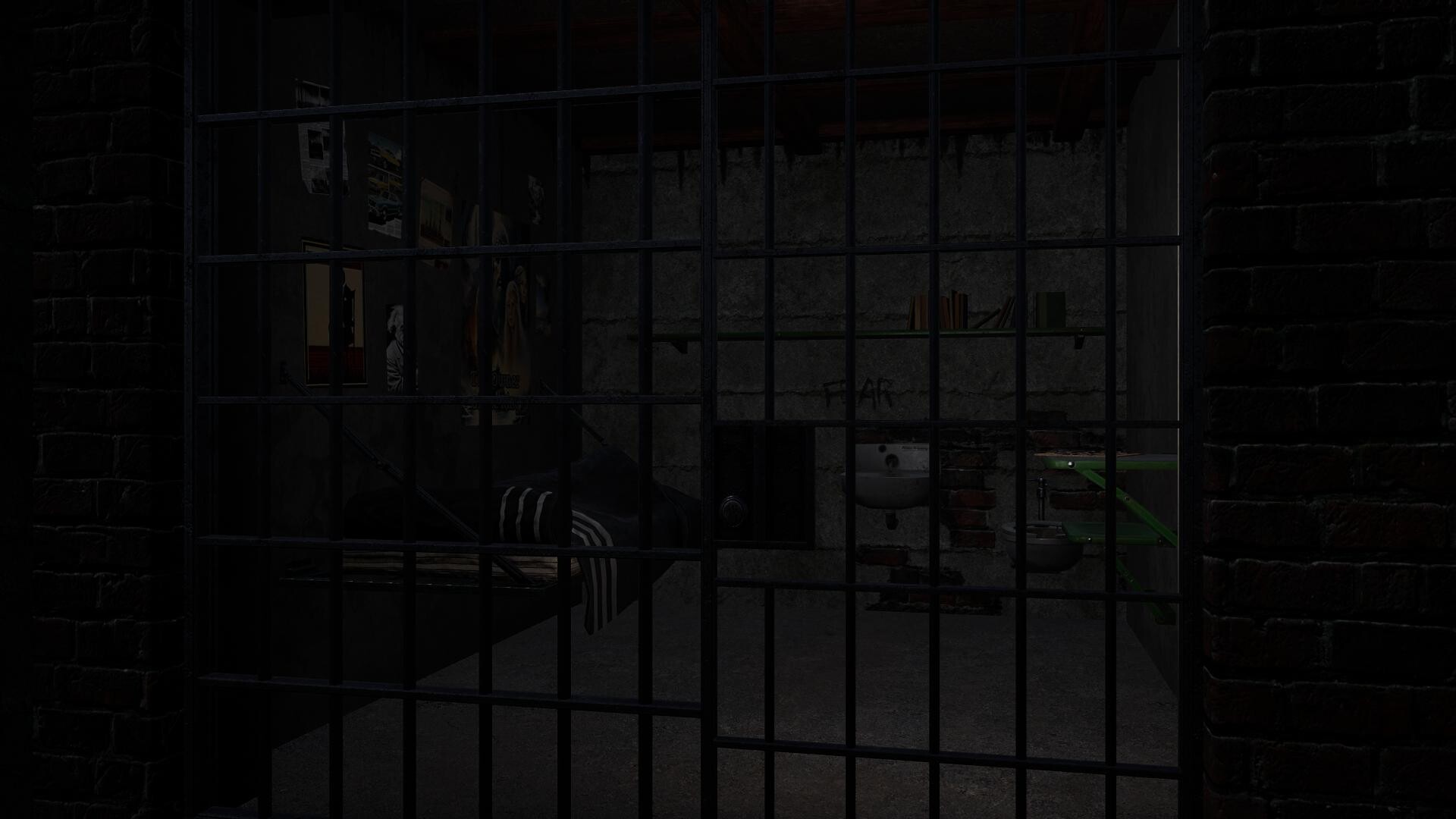
Trace of the Villa is an indie action-adventure that foregrounds a personal, investigatory narrative. You play as Jin, who, after years of dead leads, follows a clue to a deliberately forgotten mansion. The house feels “erased”: rooms furnished but missing names and photographs, locked doors hiding secured secrets, and systems waiting to be restored. As Jin restores power, safes and encrypted fragments surface, revealing falsified identities, suspicious transfer records, and a pattern of arrivals and departures that points to something larger than a single disappearance.

When and where — Steam specifics
Trace of the Villa launched on Steam on 28 May, 2026. It is published and developed by Steadyturtle Co., Ltd. The store page lists the game as Action · Adventure · Indie and highlights single-player and accessibility options in its categories. You can view or wishlist the Steam page directly: Trace of the Villa on Steam.
Why the mansion theme matters here
Mansion mysteries depend on micro-detail: objects that feel ordinary until context is provided, intangible absences (no photos, no names) that become a language the player learns to read. Trace of the Villa leans into that vocabulary by making restoration itself a storytelling mechanic — powering systems, decrypting fragments, and following administrative trails turn the house into an investigative partner. That design will appeal to players who enjoy psychological investigation through artifacts rather than through overt scare moments or jump-scare horror.
How you uncover meaning — core design and progression
The official description describes several concrete mechanics as narrative devices: restoring power to bring systems back online, opening hidden compartments and safes, and assembling encrypted documents and manifests. Progress is clue-driven: each puzzle solved yields another layer of evidence — financial trails, falsified identities, transfer records — that recast earlier discoveries. Expect a rhythm of exploration, puzzle resolution, and document interpretation where the player’s pattern-seeking is the primary engine of revelation.
Player scenarios — who will enjoy specific beats
- Document-driven detectives: If you savor assembling timelines from manifests, transfer records and encrypted notes, the game’s revealed-slowly storytelling will reward careful readers.
- Explorers of atmosphere: Players who prefer slow, suffocating ambiance and implied threat over constant action should find the mansion’s “erased” identities and staged rooms compelling.
- Puzzle explorers who dislike twitch challenges: The Steam categories include “Playable without Timed Input,” indicating players can focus on problem-solving and interpretation rather than reflex-based sequences.
- Accessibility-minded players: built-in subtitle options, color alternatives and custom volume controls make the game more approachable to players who need those features.
How it compares to nearby mystery/puzzle experiences
Below is an editorial comparison on lawful criteria — genre, atmosphere, puzzle focus and pacing — to help you decide if Trace of the Villa fits your tastes.
| Title | Genre / Tone | Puzzle focus | Exploration style | Story pacing | Player fit |
|---|---|---|---|---|---|
| Trace of the Villa | Action · Adventure · Indie — atmospheric mansion mystery, psychological investigation | Clue-driven: encrypted documents, safes, system restoration | Contained, environment-first: a single estate with layered rooms | Slow-burn, incremental revelation | Players who favor environmental storytelling and narrative puzzles |
| Inscryption | Adventure · Indie — dark, card-based, psychological | Puzzle hybrid: deckbuilding + escape-room mechanics | Structured, meta-layered sites driven by cards and rooms | Psychological escalation with meta secrets | Players who like experimental mechanics with horror and meta-narrative |
| Outer Wilds | Action · Adventure — open-world cosmic mystery | Puzzle through environment and systems knowledge (physics, astronomy) | Open, non-linear solar-system exploration | Exploratory and emergent, with time-loop revelations | Players who enjoy open-ended discovery and systems-driven mysteries |
| The Forgotten City | Adventure · Indie · RPG — narrative time-loop mystery | Dialogue and consequence puzzles tied to time-loop mechanics | Localized, historically-framed city with narrative branching | Story-focused, puzzle-consequence driven | Players who like branching narrative puzzles and moral dilemmas |
| The Medium | Adventure — psychological horror, dual-reality exploration | Puzzles across two realities, atmosphere-heavy | Dual-plane exploration: spirit realm + real world | Slow to mid-paced psychological revelation | Players who prefer psychological themes and dual-reality puzzles |
YouTube discovery
YouTube discovery
For trailer and gameplay discovery, use YouTube search rather than relying on unverified embeds: Find Trace of the Villa trailer and gameplay searches on YouTube.
Leave a Reply