
Trace of the Villa: An escape-room style mystery wrapped in power, locks, and traces
Trace of the Villa drops you into a decaying mansion where Jin—searching years for his missing sister—must restore power and coax secrets back into the light. The gameplay loop ties locked-room thinking to environmental reading: bring systems online, open sealed spaces, and assemble fragments of evidence to push the narrative forward.

Quick facts
| Title | Trace of the Villa |
|---|---|
| Release date | 28 May, 2026 |
| Developer / Publisher | Steadyturtle Co., Ltd. |
| Steam AppID | 3483660 |
| Genres | Action, Adventure, Indie |
| Categories | Single-player; Color Alternatives; Custom Volume Controls; Playable without Timed Input; Subtitle Options; Family Sharing |
| Short premise | Jin searches a remote, decaying mansion, restores power to reveal locked systems and fragments of evidence that may point to his missing sister. |
Who this is for
If you lean toward atmospheric mystery adventure and slow-burn suspense, Trace of the Villa is aimed at players who appreciate environmental storytelling and clue-driven exploration. It suits solo players who prefer reading rooms as primary text—piecing together how systems and objects relate, rather than relying on combat or timed reflex challenges. The Steam listing classes it as Action / Adventure / Indie and lists Single-player among its categories.
What the game is
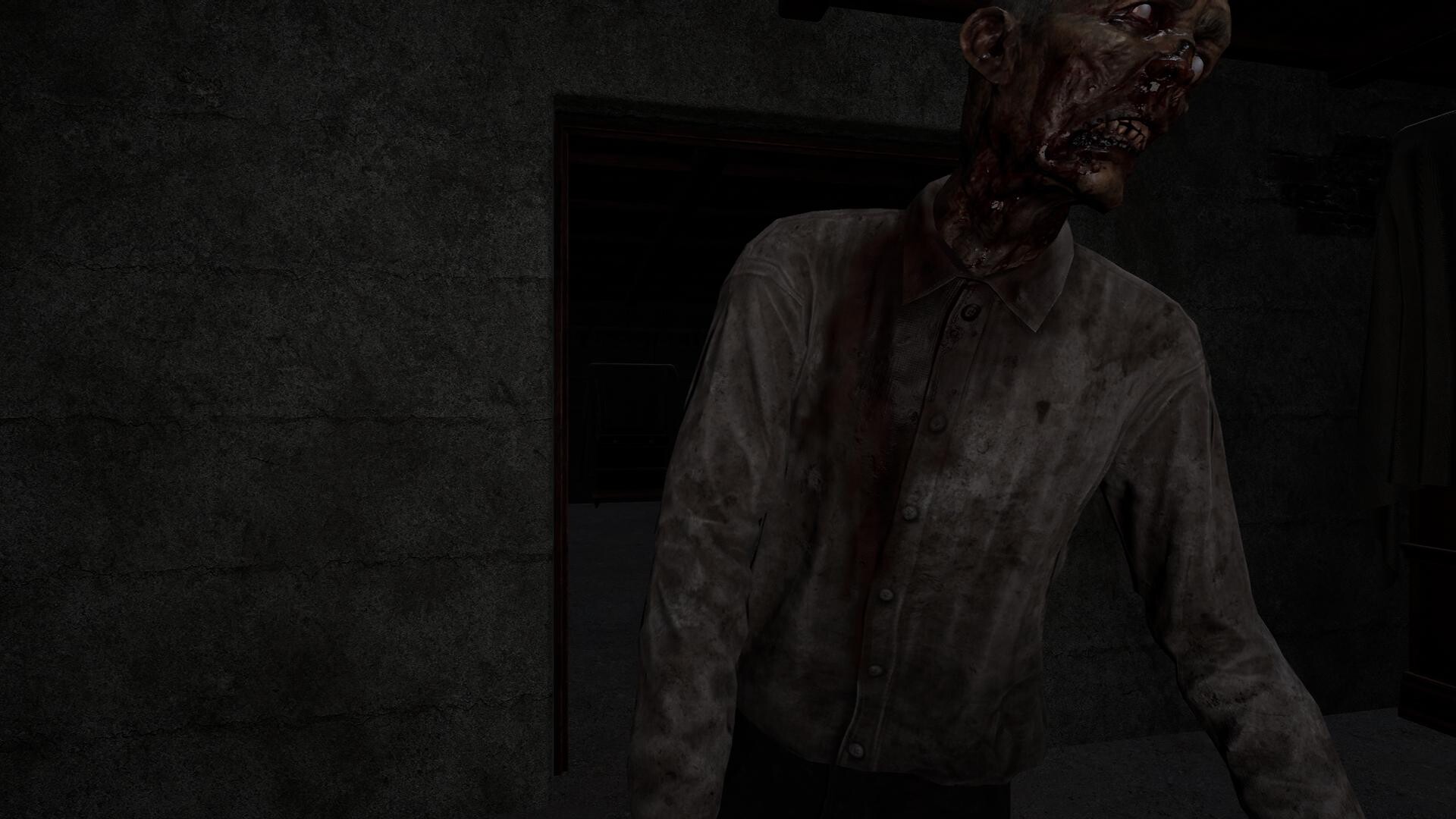
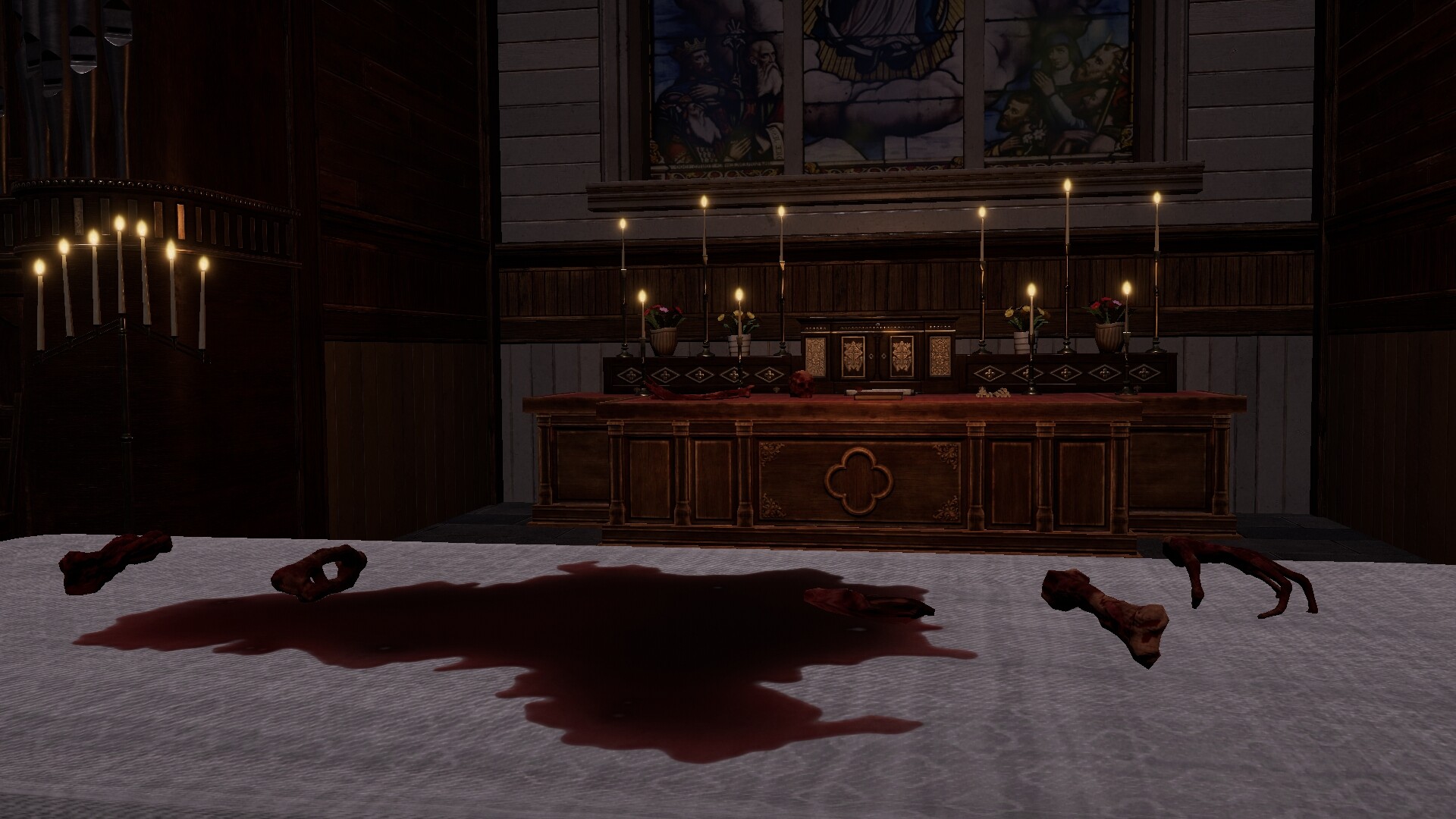
Trace of the Villa is a story-rich adventure set in an isolated mansion. According to the official description, Jin uncovers manifests and hints that suggest his sister may still be alive; restoring power unlocks secured systems, hidden compartments, and safes that yield encrypted documents and suspicious transfer records. The tone leans toward psychological investigation and procedural discovery: identities erased, rooms left mid-routine, and a sense that the estate functioned as part of a larger, deliberate operation.
When and where
Trace of the Villa released on Steam on 28 May, 2026. It is presented on Steam with standard PC store discovery channels and the Steam AppID 3483660.
Why the theme matters
The mansion-as-evidence-lab framing shifts focus from jump scares to methodical reconstruction: restoring power isn’t just a mechanical gate, it’s a narrative device that stages revelations. Each reactivated system produces new data—logs, locked files, and opened safes—that become pieces in a chain of clues. That structure suits players who enjoy the epistemological work of detective puzzles: forming and testing hypotheses from environmental fragments.
How the gameplay loop works
The official description outlines a precise loop: find the estate’s power and equipment, bring systems back online, then use newly available interfaces and unlocked compartments to obtain fragments (manifests, encrypted documents, transfer records). Those fragments are the connective tissue between rooms and timelines. Mechanically, expect locked-room thinking—puzzle nodes that require combining environmental observation with returned functionality—and a breadcrumb chain where one unlocked system reveals the next lock to pick or decode.
Player scenarios
- The clue-chain player: You enjoy following threads from room to room. If you like assembling timelines from disparate documents and devices, this will feel rewarding.
- The environmental reader: You prefer storytelling through set dressing and object placement. The game’s removal of names and photographs to create a sense of erased identity will amplify that experience.
- The methodical puzzler: If you value locked-room puzzles that open up new interfaces or areas when systems return online, this matches your pacing—steady progression built from unlocking utility rather than twitch reactions.
- The impatient explorer: If you want fast action or tight, reflex-based challenges, Trace of the Villa’s investigative pacing may feel slow; its core is reconstruction and deduction.
How it compares to nearby games
Below is a compact editorial comparison focused on genre, atmosphere, puzzle focus, exploration, story tone, and pacing—intended to help you decide whether Trace of the Villa fits your tastes.
| Title | Genre / Tone | Puzzle focus | Exploration style | Pacing | Player fit |
|---|---|---|---|---|---|
| Trace of the Villa | Action / Adventure / Indie — atmospheric mansion mystery | Locked-room thinking, evidence reconstruction, systems reactivation | Focused, room-by-room environmental reading | Slow-burn, investigative | Players who like clue chains and narrative puzzle design |
| The Room | Adventure / Indie — intimate mechanical puzzles | Tactile, mechanical safes and devices | Single-room, object-centric | Measured, puzzle-centric | Players who enjoy single-object puzzles and tactile mystery |
| The Room Two | Adventure / Indie — cryptic, atmospheric puzzles | Progressive mechanical puzzles across connected spaces | Multi-room progression with strong puzzle threads | Measured with building complexity | Players who appreciate escalating mechanical puzzles with atmosphere |
| Escape Simulator | Adventure / Casual / Indie — interactive escape rooms | Highly interactive object manipulation; physics-based solutions | Room-based but often sandboxy and fast to iterate | Variable; from quick to complex depending on room | Players who like tactile interaction, co-op, and rapid puzzle turnover |
| Hi-Fi RUSH | Action — music-synced combat and rhythm | Combat and music-driven challenges rather than environmental puzzles | Linear, action-focused levels | Fast, kinetic | Players looking for action and rhythm rather than methodical mystery |
Editorial note: these comparisons focus on design qualities—puzzle emphasis, atmosphere, and player expectations—rather than value judgments or sales claims.
YouTube discovery
For trailers and gameplay searches, you can use the YouTube discovery path: Search Trace of the Villa trailer & gameplay on YouTube. This link is a search path; specific videos should be verified individually for official status.
Decision checklist — should you wishlist it?
- Wishlist if you prioritize environmental storytelling and methodical clue-chaining over fast action.
- Wishlist if you enjoy puzzle loops that revolve around restoring functionality to spaces and then interrogating what those systems reveal.
- Consider waiting if you want multiplayer, rapid puzzle turnover, or rhythm/action-forward design—Trace of the Villa is presented as a single-player, investigative experience.
Leave a Reply