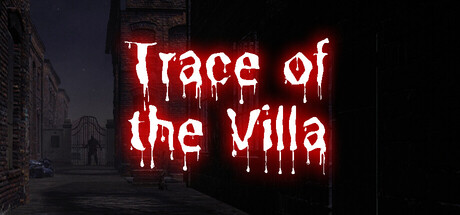
Trace of the Villa: an atmospheric, clue-driven mansion mystery for patient puzzle players
Trace of the Villa positions itself as a slow-burning, story-rich adventure where layered clues and object logic matter more than action set‑pieces. Released 28 May, 2026 by Steadyturtle Co., Ltd., it asks players to read the house as a text — piecing together manifests, encrypted fragments, and household traces to map a vanished history.

| Title | Trace of the Villa |
|---|---|
| Release date | 28 May, 2026 |
| Developer / Publisher | Steadyturtle Co., Ltd. |
| Genres | Action, Adventure, Indie |
| Steam categories | Single-player; Color Alternatives; Custom Volume Controls; Playable without Timed Input; Subtitle Options; Family Sharing |
Who this is for
This is for players who favor environmental storytelling and methodical investigation over twitch reflexes: fans of atmospheric mystery adventure and slow-burn suspense who enjoy reading clues, assembling timelines, and unlocking story puzzles at their own pace. The Steam listing highlights accessibility features — subtitle options, color alternatives, and “playable without timed input” — that will appeal to players who prefer unhurried, contemplative puzzle work.
What the game is
Trace of the Villa casts you as Jin, a protagonist whose official short description explains he “has spent years searching for his missing sister” and follows leads to “a remote, decaying mansion” where manifests and hints suggest she may still be alive. The developer frames the experience as a psychological investigation inside a property that feels “less abandoned than erased.” Official text notes restored power reveals secured systems, hidden compartments, safes, encrypted documents and suspicious transfer records — all pieces of a concealed operation that the player uncovers.
When and where — Steam / PC context
Trace of the Villa released on 28 May, 2026 on Steam. The store page lists it under Action, Adventure, Indie and as a single-player title with family sharing. The Steam app ID is 3483660; the store page can be accessed directly for wishlist or purchase.
Why the theme matters
The premise — searching a mansion where identities appear to have been removed — lends itself to puzzle systems that reward close observation and inference. When a game structures progress around discovering documents, restoring power, and decrypting fragments, the narrative unfolds as a patchwork: each solved puzzle is both mechanical progress and story revelation. For players who enjoy psychological investigation and a creeping sense of unease, that pairing of investigative puzzles and atmosphere is central to the experience.
How you read clues and progress
The official description outlines concrete puzzle beats: restoring estate power brings systems back online; locked doors and hidden compartments open; safes yield encrypted documents and suspicious transfer records. That places emphasis on three interlocking behaviors:
- Clue reading — interpreting manifests and fragments to form hypotheses about people and timelines.
- Object logic — using found items and system restorations to trigger new avenues of discovery rather than combat or timed sequences.
- Story puzzles — puzzles that are themselves narrative devices: unlocking a safe doesn’t only grant an item, it supplies a piece of a suppressed history.
Taken together, these elements suggest a gameplay loop for players who prefer to think like an investigator: examine, infer, test, and follow the next lead.


Comparison: Where Trace of the Villa sits among clue-driven puzzle games
Below is a compact editorial comparison focusing on genre, atmosphere, puzzle focus, exploration style, and pacing to help readers decide fit and preference.
| Title | Genre / Tone | Puzzle focus | Exploration / Pacing | Player fit |
|---|---|---|---|---|
| Trace of the Villa | Action / Adventure / Indie — mansion mystery, investigatory tone | Clue-driven documents, encrypted fragments, object-based story puzzles | Slow-burn, read-and-infer exploration | Players who like environmental storytelling and narrative puzzle design |
| The Room / The Room Two | Adventure / Indie — mysterious, tactile | Mechanical puzzle boxes and physically simulated locks | Focused, puzzle-chapter pacing; tactile puzzle solving | Players who like focused, object-centric puzzles and atmospheric set pieces |
| Unpacking | Casual / Indie — zen, domestic storytelling |
Leave a Reply