
Trace of the Villa: an escape-room style mansion mystery for clue-driven players
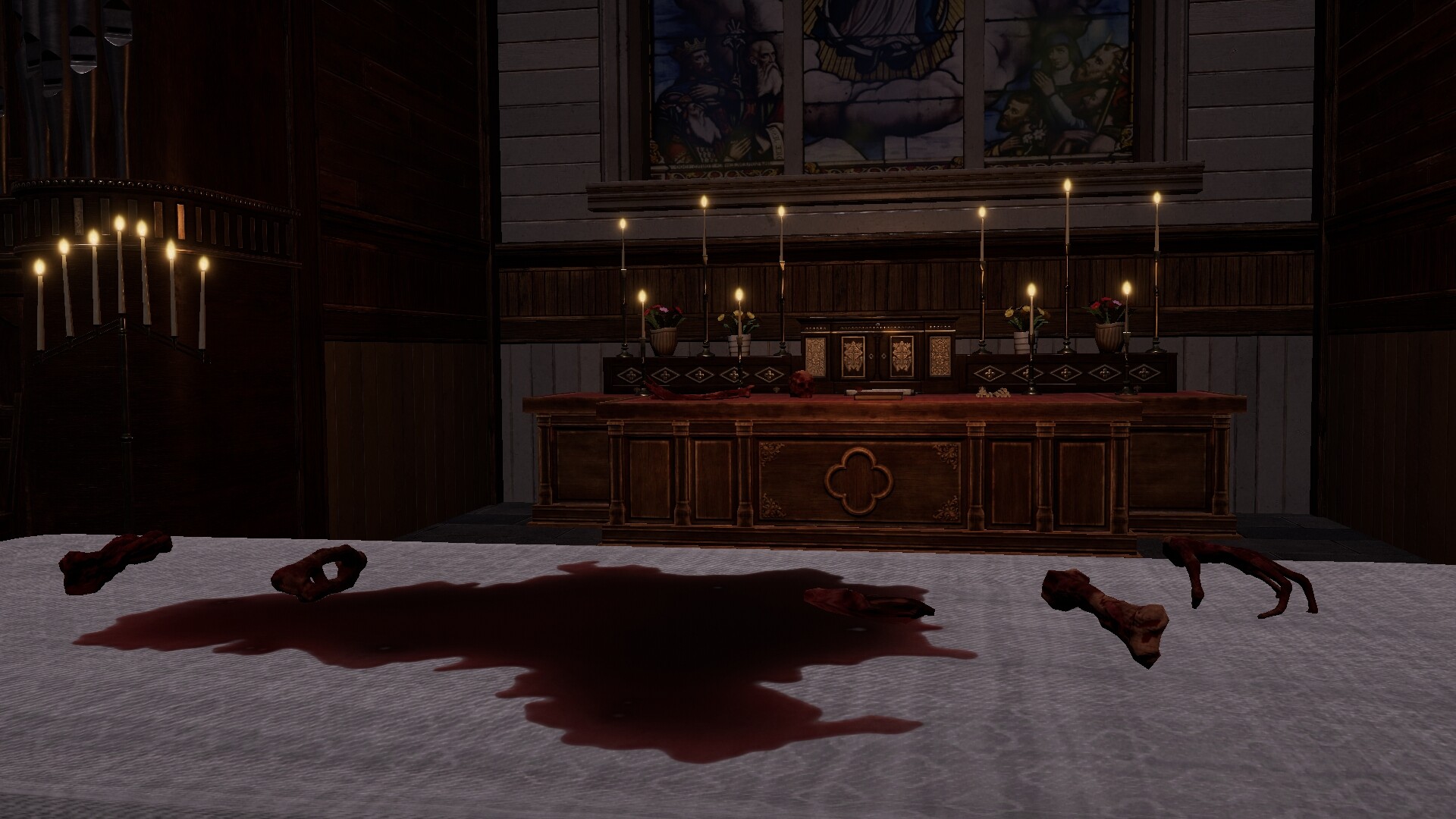
Steadyturtle’s Trace of the Villa sets a personal, slow-burn investigation inside a decaying mansion where locked doors, encrypted fragments and erased identities form a chain of puzzles. Released on 28 May, 2026, it asks players to treat environment and object clues as forensic leads rather than throwaway set dressing.

Quick facts
| Title | Trace of the Villa |
|---|---|
| Developer | Steadyturtle Co., Ltd. |
| Publisher | Steadyturtle Co., Ltd. |
| Release date | 28 May, 2026 |
| Steam appid | 3483660 |
| Genres | Action, Adventure, Indie |
| Key categories | Single-player; Color Alternatives; Custom Volume Controls; Playable without Timed Input; Subtitle Options; Family Sharing |
| Official short description | Jin has spent years searching for his missing sister, pursuing leads that took him to a remote, decaying mansion where he recovered manifests and hints that indicate his sister may still be alive, somewhere at the end of the trail he is about to follow. |
What the game is — atmosphere and puzzle identity
Trace of the Villa is a story-rich adventure built around environmental storytelling, narrative puzzle design and investigative momentum. The official description frames the experience as a psychological investigation: Jin arrives at an off-grid mansion, restores power, unlocks hidden compartments and recovers encrypted documents and suspicious transfer records. Rather than pure action set-pieces, the game trades on the slow accumulation of evidence — manifests, safes and systems that reveal one layer at a time.
Who this is for
This is aimed at players who prefer locked-room thinking and clue chains to twitch reflexes. If you prize reading rooms like case files, following chains of object clues, and letting puzzle-chain momentum guide narrative revelations, Trace of the Villa is pitched at those tastes. The Steam metadata confirms single-player focus and accessibility options such as subtitle choices and no requirement for timed input — useful signals for players who want a contemplative, methodical mystery rather than a speed-run or action-heavy thriller.
When and where to find it
Trace of the Villa released on 28 May, 2026 and is listed on Steam (app id 3483660). The Steam store page lists developer and publisher as Steadyturtle Co., Ltd. and places the game under Action, Adventure and Indie tags with the categories noted above.
Why the theme matters: erased identity and forensic reading
Locked-room logic works best when the environment supplies ambiguous, partial truths. The game’s premise—rooms that feel “erased,” arrivals without records, falsified identities and financial trails that lead nowhere—turns ordinary object clues into forensic evidence. That thematic choice elevates environmental reading: a misplaced manifest, a reopened safe, or a restored terminal becomes plot-forwarding proof rather than decorative detail. For players who like their puzzles to make narrative claims, that approach rewards careful, methodical play.
How you progress — reading the environment and following clue chains
Official text states that restoring power to the estate is an early mechanical beat: secured systems come back online, hidden compartments unlock and safes yield fragments of encrypted documents. Those fragments form chains—financial records, falsified identities and transfer notes—that map a larger, concealed operation. Practically, that means progress hinges on three complementary skills:
- object-focused observation (spotting items that look out of place),
- locked-room reasoning (reconstructing how a room’s set dressing fits into a system of secured compartments), and
- pattern assembly (linking fragments of documents and manifests into a timeline that points to the next locked system).
That design foregrounds puzzle-chain momentum: each solved lock or decrypted fragment opens another piece of the mansion’s bureaucracy, nudging you deeper into the investigation rather than redirecting to unrelated minigames.

Player scenarios — who should wishlist it
- Preference: You like slow-burn suspense and atmospheric mystery adventure. Why: the game’s mansion mystery and erased identities emphasize reading over reflexes.
- Playstyle: You favour methodical, single-player detective work with optional accessibility options (subtitles, no timed input). Why: Steam categories list Playable without Timed Input and Subtitle Options.
- Expectation: You want narrative puzzles that reveal a larger conspiracy through fragments. Why: official description cites encrypted documents, manifests and suspicious transfer records that layer into a concealed operation.
How it compares — nearby puzzle and mystery titles
The table below compares Trace of the Villa with a selection of puzzle-focused and atmospheric titles on lawful editorial criteria: genre, atmosphere, puzzle focus, exploration style, story tone and pacing.
| Title | Genres / Core focus | Atmosphere & Story Tone | Puzzle / Exploration Style | Player fit |
|---|---|---|---|---|
| Trace of the Villa | Action, Adventure, Indie | Mansion mystery; erased identities; conspiratorial, investigative tone | Object- and document-driven chains; restoring systems, safes and encrypted fragments | Players who favour environmental storytelling and locked-room reasoning |
| The Room | Adventure, Indie | Claustrophobic, tactile puzzle-box atmosphere | Focus on mechanical puzzles and layered safes (central puzzle-box design) | Players drawn to handcrafted puzzle devices and tactile puzzle solutions |
| The Room Two | Adventure, Indie | Mysterious, cryptic tone across larger, multi-space puzzles | Series-style object puzzles evolving across locations (stone pedestal / device puzzles) | Fans of sequential, device-centered puzzle progression |
| Escape Simulator | Adventure, Casual, Indie, Simulation | Playful and interactive; community-made variety | Highly interactive rooms, physical manipulation of objects, co-op options | Players who want hands-on interaction and community-designed rooms (solo or co-op) |
| Hi‑Fi RUSH | Action | Rhythm-driven, high-energy; narrative is action oriented | Pacing and combat tied to musical mechanics rather than environmental puzzles | Action players who prioritise rhythm-combat over clue-driven exploration |
Editorial note: these comparisons use lawful discovery from Steam metadata and public descriptions to highlight differences in puzzle focus, atmosphere and player fit rather than assert quality or rank.
YouTube discovery
If you want trailer or gameplay footage search results, try this YouTube discovery link (useful for trailers or early gameplay clips; not claimed here as an official video): Search Trace of the Villa trailer & gameplay on YouTube.
Steam page and wishlist suggestion
If the idea of reconstructing a timeline from manifests, encrypted fragments and locked-room evidence appeals to you, consider visiting the Steam store
Leave a Reply