
Trace of the Villa: an inspection-first mansion mystery for players who love locked-room logic
Trace of the Villa casts you as Jin, an investigator following a fragmented trail that leads to a remote, decaying mansion where manifests and hints suggest his missing sister may still be alive. Released on 28 May, 2026 by Steadyturtle Co., Ltd., the game leans on environmental storytelling, locked doors, and encrypted fragments to push a slow-burn, clue-driven investigation forward.

Who should wishlist this on Steam
- Players who prefer inspection-heavy play over twitch reactions and enjoy parsing every object and surface for meaning.
- Fans of atmospheric mystery adventure and psychological investigation that reward chained clues and patient reading of the environment.
- Readers of environmental storytelling who like narrative puzzle design where restoring systems and unlocking compartments reveal the plot.
What the game is (the basics)
Trace of the Villa is an Action / Adventure / Indie title on PC (Steam appid 3483660) developed and published by Steadyturtle Co., Ltd. The official premise centers on Jin, who locates a secluded mansion cut off from the grid and discovers furnished rooms that feel “erased”: no photographs, no names, and locked doors hiding secured systems, safes, and encrypted documents. When Jin restores power, the estate reveals hidden layers—an investigative loop that ties object logic to narrative progression.
When and where
Trace of the Villa released on 28 May, 2026 and is available on Steam. The Steam page lists it under Single-player with accessibility-friendly options such as Color Alternatives, Custom Volume Controls, Playable without Timed Input, Subtitle Options, and Family Sharing.
Why the theme—mansion, erased identities, and quiet menace—matters
The official description frames the mansion not simply as a setting but as a system: power, locks, safes, and manifests are gameplay levers tied to story beats. That matters because the core appeal is procedural reading—tracking a pattern of arrivals and departures, falsified identities, and financial trails that “lead nowhere.” If you enjoy games where the house itself is an evidence board, Trace of the Villa makes those mechanics explicit: inspect, restore, reveal, repeat.
How you progress: object logic, environmental puzzles, and clue chains
Steam’s official text makes clear the flow: restoring power brings secured systems back online, hidden compartments unlock, and safes yield encrypted fragments. That sequence implies three concrete design pillars you should expect:
- Object logic: items and terminals behave as puzzle nodes—power certain circuits, read manifests, and use fragments to open the next lock.
- Environmental puzzles: the mansion’s layout, furnishings left mid-task, and absent personal records are all environmental cues. Reading placement, wear, and absence becomes an investigative tool.
- Clue chains and inspection emphasis: progression depends on chaining discoveries (a manifest points to a safe; a restored system reveals a compartment), not on combat or reflexes.
Those pillars position Trace of the Villa closer to “locked-room thinking” and slow, methodical puzzle resolution than to action-heavy adventure. The Steam listing’s categories (e.g., Playable without Timed Input) reinforce an experience designed for careful inspection rather than split-second play.
Compact facts: Trace of the Villa
| Title | Trace of the Villa |
|---|---|
| Steam appid | 3483660 |
| Developer / Publisher | Steadyturtle Co., Ltd. |
| Release date | 28 May, 2026 |
| Genres | Action, Adventure, Indie |
| Notable categories | Single-player; Color Alternatives; Custom Volume Controls; Playable without Timed Input; Subtitle Options; Family Sharing |
| Short premise (official) | “Jin has spent years searching for his missing sister… a remote, decaying mansion where he recovered manifests and hints that indicate his sister may still be alive.” |
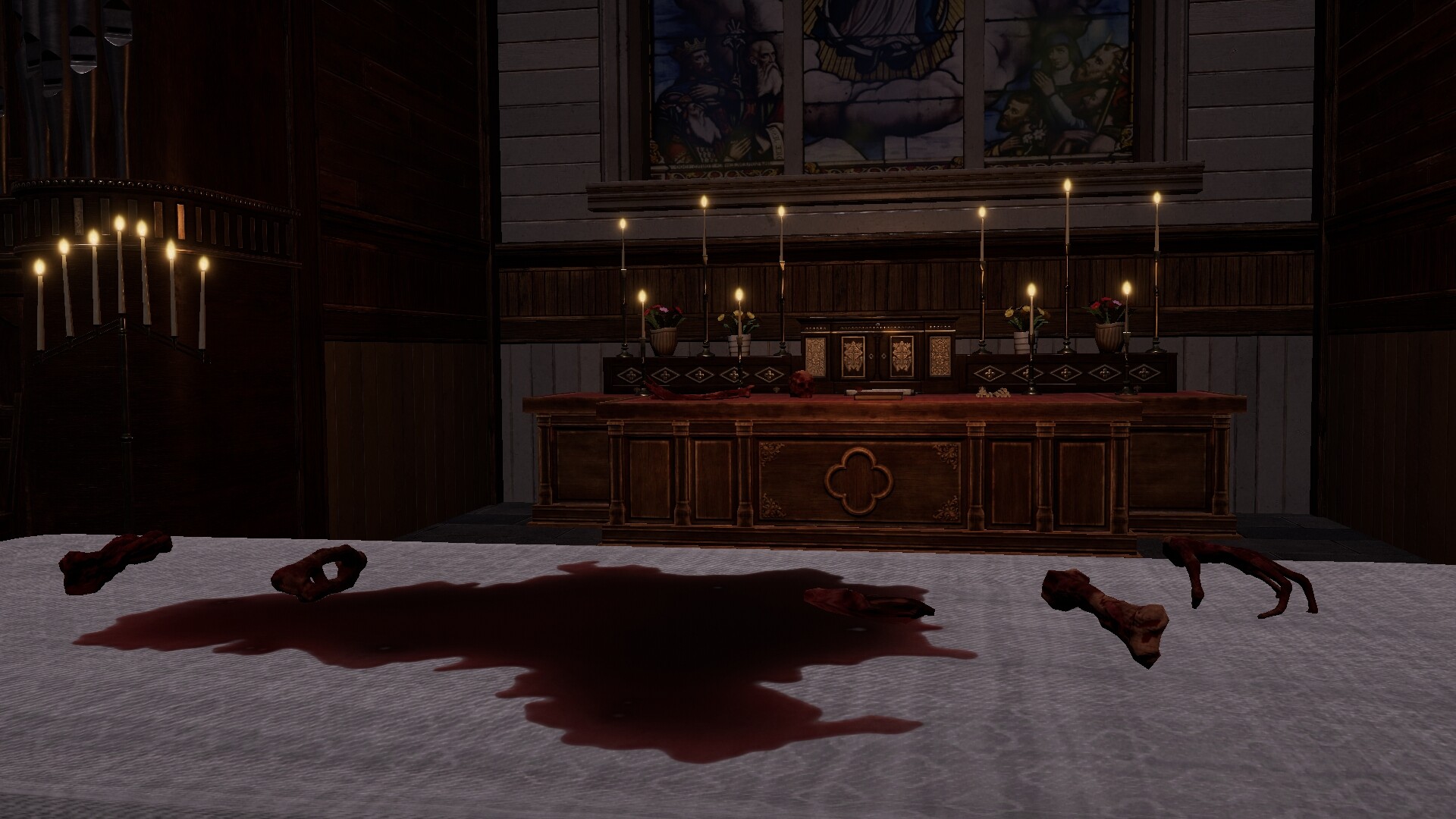
Look and feel — two screenshots

How it compares — concise editorial table
| Title | Puzzle focus | Atmosphere / Tone | Exploration style | Best for players who… |
|---|---|---|---|---|
| Trace of the Villa | Object logic + system restoration; encrypted documents and safes | Slow-burn mansion mystery, psychological investigation | Inspection-heavy, clue-chain progression through a single estate | Prefer environmental storytelling, locked-room thinking, patient unraveling |
| The Room / The Room Two | Mechanical puzzles centered on ornate locks and safes | Mysterious, intimate, tactile puzzle-box tone | Focused, single-room / multi-room puzzle chambers | Enjoy tactile, handcrafted puzzle objects and layered lock mechanics |
| Escape Simulator | Highly interactive object manipulation and physics-driven puzzles | Varied (often bright), community-made rooms and cooperative options | Open room interaction, multiplayer co-op, and an editor for custom rooms | Like hands-on interaction, community content, and cooperative escape-room play |
Player scenarios — who will get the most out of Trace of the Villa
- Locked-room purists: You appreciate puzzles that read like evidence chains. Expect progress through documented fragments, restored power states, and locked compartments rather than inventory-heavy craft or platforming.
- Environmental storytellers: You pay attention to what is missing as much as what is present—arrangements, absent photographs, and falsified records are cues that move the narrative.
- Slow-burn detectives: You want a psychological investigation with small reveals building into a larger pattern. If you enjoy methodical unraveling and note-taking, this is tailored to that pace.
- Players avoiding timed stress: The Steam listing highlights “Playable without Timed Input,” so the design supports careful inspection without forced timing.
Where to watch and learn more
If you want trailers or gameplay captures, search YouTube using this discovery path (results may include trailers, gameplay, or user content; not all videos will be official): YouTube: Trace of the Villa trailer & gameplay.
Leave a Reply