
Trace of the Villa — an escape-room style mystery built around restoring power and reconstructing evidence
Trace of the Villa drops you into a decaying, off-the-grid mansion where Jin’s hunt for a missing sister becomes a step-by-step exercise in locked-room thinking. The core loop is clear: bring the estate back to life, watch systems and spaces unlock, then read the environment and stitch together fragments of a deliberately erased past.

Who this is for
If you prefer slow-burn suspense, environmental storytelling, and clue-driven exploration over twitch combat, Trace of the Villa will fit your wheelhouse. The Steam metadata lists it as Action, Adventure, Indie, but the descriptive focus is firmly on investigation: reading rooms, recovering manifests, and piecing together a timeline. Players who like methodical puzzle loops, locked doors that progressively yield new evidence, and narrative payoff tied to discovery should consider it. Single-player only, with accessibility options such as Color Alternatives, Custom Volume Controls, and Subtitle Options noted on the Steam page.
What the game is
Trace of the Villa follows Jin, who has spent years searching for his missing sister. After a lead points him to a remote, deliberately forgotten mansion, the player explores rooms that look lived-in yet erased of names and photographs. According to the official Steam description, when Jin restores power to the estate, secured systems come back online, hidden compartments unlock, and safes yield fragments of encrypted documents and suspicious transfer records. The discovered manifests and hints suggest people passed through the place under strict control — a puzzle of identities and movements rather than a straightforward horror beat.
When and where
Trace of the Villa released on 28 May, 2026 and is available on Steam. It is listed with Steam categories such as Single-player and several accessibility and support options; the Steam AppID is 3483660.
Why the theme matters
The mansion-as-evidence-locker is a strong framing device for environmental puzzles. Restoring power is not just a utility task here — it’s a narrative key. Systems that remain dead conceal context; bringing them back online reveals operational details (logs, safes, locked systems) that convert isolated clues into a chain of inference. That transforms each solved obstruction from a momentary win into a new lens for reading the whole estate.
How progress and clue-chaining work
The official text describes a progression loop built around powering the estate and following financial and document trails. Expect a layered approach: restore electricity or systems; access secured areas and devices; recover manifests, encrypted fragments, and transfer records; then use those fragments to form hypotheses about arrivals, departures, and identity manipulation. The gameplay loop emphasizes reconstruction of evidence over combat—each unlocked device or recovered file yields nodes in a clue chain that demand environmental reading and inference to link them together.

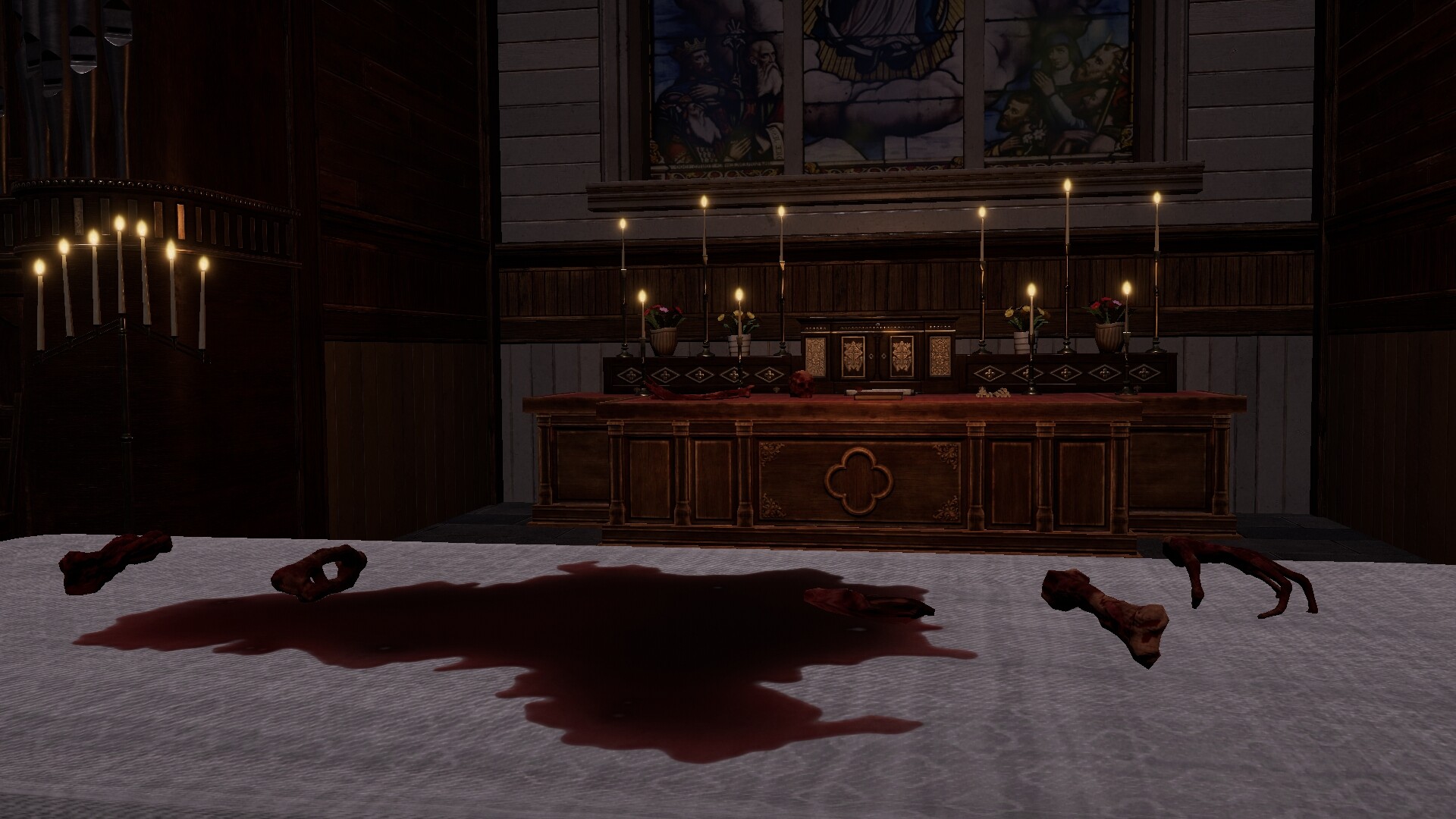
Player scenarios — who will get the most out of Trace of the Villa
- The methodical investigator: You enjoy scanning every drawer and revisiting rooms after unlocking a new system. The game rewards patient hypothesis-building and backtracking with new contexts for earlier clues.
- The environmental reader: If the tone and decoration of spaces—what’s left and what’s deliberately missing—are your primary pleasures, the mansion’s “erased” feel will provide steady narrative payoff.
- The evidence reconstructor: You like piecing a timeline from fragments—encrypted documents, transfer records, and manifests—that form a chain of inferences rather than a single solved puzzle.
- Not ideal for you if: you prefer high-action set pieces or multiplayer co-op puzzle rooms—Trace of the Villa is framed as a single-player, story-rich experience focused on exploration and reconstruction.
Compact facts — Trace of the Villa
| Title | Trace of the Villa |
|---|---|
| Release date | 28 May, 2026 |
| Developer / Publisher | Steadyturtle Co., Ltd. |
| Genres | Action, Adventure, Indie |
| Steam categories | Single-player; Color Alternatives; Custom Volume Controls; Playable without Timed Input; Subtitle Options; Family Sharing |
| Steam AppID | 3483660 |
| Short premise | Jin follows leads to a remote, decaying mansion and recovers manifests and hints that his missing sister may still be alive. |
How it compares — a quick editorial table
| Title | Core focus | Atmosphere / Tone | Puzzle & exploration style | Who should consider it |
|---|---|---|---|---|
| Trace of the Villa | Narrative investigation; restoring systems to unlock evidence | Slow-burn, uncanny mansion; erased identities | Clue chains from powered systems, manifests, encrypted fragments | Players who like environmental storytelling and evidence reconstruction |
| The Room / The Room Two | First-person puzzle boxes and mechanical mysteries | Contained, tactile, and eerie | Focused mechanical puzzles / single-room to multi-room sequences | Players who enjoy object-based puzzle manipulation and handcrafted puzzles |
| Escape Simulator | Highly interactive escape rooms; community rooms and editor | Varied (from casual to spooky) depending on room | Environmental interaction, physics, cooperative solutions | Players who want high interactivity and community-made content |
| Hi‑Fi RUSH | Action game with rhythm-driven combat and fast pacing | Bright, energetic, music-driven | Action and rhythm mechanics rather than investigative exploration | Players seeking action and kinetic pacing, not slow investigative reading |
YouTube discovery
Looking for trailers or gameplay clips? Search for Trace of the Villa trailers and gameplay on YouTube here: YouTube search: Trace of the Villa trailer & gameplay. This search path is provided for discovery; it does not assert any specific official video unless verified on the platform.
View Trace of the Villa on Steam
Editorial takeaway and final notes
Trace of the Villa positions its core gameplay around a forensic-style loop: restore power, unlock spaces and systems, recover fragments, and assemble a narrative from scattered evidence. That loop will appeal to players who prize slow, clue-driven exploration and environmental storytelling more than set-piece action. If you enjoy methodical reconstruction of events and reading a location as a piece of investigative evidence, add it to your wishlist.
Disclaimer: Referenced titles and trademarks belong to their respective owners. Comparisons in this article are editorial discovery only and do not imply endorsement, sponsorship, or official connection.
Leave a Reply