
Trace of the Villa: a story-first mystery about erased lives and slow-burn uncovering
Trace of the Villa puts you in Jin’s shoes: a long, personal search that leads to a remote, decaying mansion where signs of habitation look intentionally scrubbed. The game promises clue-driven exploration and narrative puzzle design as players restore power, unlock hidden compartments and piece together encrypted documents to follow a trail that may lead to Jin’s missing sister.

Quick facts
| Title | Trace of the Villa |
|---|---|
| Developer / Publisher | Steadyturtle Co., Ltd. |
| Genres | Action, Adventure, Indie |
| Categories / Features | Single-player; Color Alternatives; Custom Volume Controls; Playable without Timed Input; Subtitle Options; Family Sharing |
| Release date (Steam) | 28 May, 2026 |
| Steam appid | 3483660 |
| Steam reviews (public) | No user reviews |
Who this is for
If you prefer story-first mystery design — slow-burn suspense over jump-scare theatrics — Trace of the Villa is aimed at players who like environmental storytelling, methodical clue-work, and narrative puzzles. It’s for people who enjoy piecing together backstory from fragments (manifests, transfer records, encrypted documents) rather than being told everything in cutscenes.
What the game is
Officially described on Steam, Trace of the Villa follows Jin, who finds signs that his missing sister may still be alive after discovering manifests and hints in an off-grid mansion. The house reads less like a static ruin and more like a place that’s been “erased”: furnished rooms, locked doors, and personal items with no names or photographs. Gameplay emphasis centers on restoring systems, accessing secured areas, solving puzzles to reveal encrypted files, and following financial or identity trails that suggest a larger operation.
When and where to play
Trace of the Villa launched on Steam on 28 May, 2026 and is listed for PC on its store page. The store entry lists standard accessibility options like Subtitle Options, Color Alternatives, and Custom Volume Controls.
Why the mansion mystery matters
Mansion mysteries work when environment and implication do the heavy lifting. Thematically, the game trades explicit exposition for cumulative revelation: small mechanical interactions (flip a breaker, power a terminal, open a safe) change the world and push the narrative forward. For players who value atmosphere built through objects and systems rather than delivered text, the premise — identities removed, arrivals without records — sets expectations for discovery that feels investigative and forensic.
How you’ll uncover meaning (the player loop)
- Find physical cues in furnished rooms that feel “paused” mid-routine.
- Restore power and systems to reactivate secured devices and hidden mechanisms.
- Solve environmental puzzles to open safes and compartments that hold fragments — manifests, transfer records, encrypted documents.
- Follow those fragments to form hypotheses about who passed through the estate, when, and under what control.
- Piece the timeline together; each unlocked layer produces more targeted puzzles rather than broad exposition.

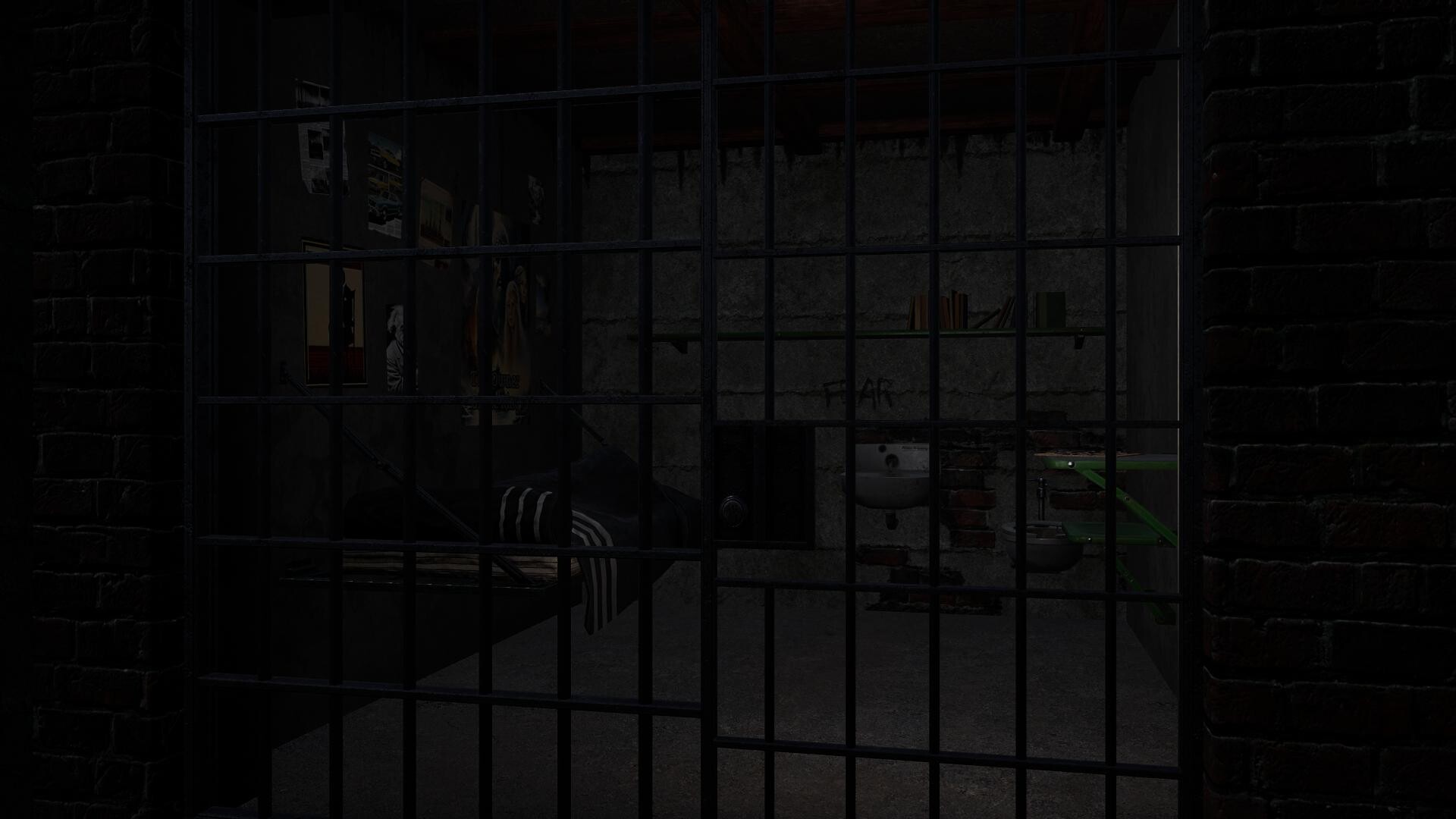
Player scenarios — who will enjoy it and why
- Investigative players: If you like combing rooms for small notes that refract into larger theories, this will reward patient attention.
- Atmosphere-first players: If mood, lighting, and the sense that the house itself is an unreliable narrator are central to your enjoyment, the premise supports that appetite.
- Puzzle-oriented explorers: If you want puzzles that unlock narrative fragments (safes, encrypted files, secured terminals), this is pitched toward you rather than twitch-focused action.
- Players sensitive to timing pressure: The store lists “Playable without Timed Input,” so the game is suitable for slower, contemplative play sessions.
How Trace of the Villa compares (brief editorial comparison)
Below is a concise editorial comparison using lawful criteria: genre, atmosphere, puzzle focus, exploration style, story tone, and pacing. This is to help you decide if the game fits your tastes, not a ranking.
| Title | Genre / Core | Atmosphere | Puzzle vs. Exploration | Story Tone | Pacing / Player Fit |
|---|---|---|---|---|---|
| Trace of the Villa | Action · Adventure · Indie | Decaying mansion; erased identities; slow-burn suspense | Clue-driven puzzles unlocking narrative fragments | Personal investigation; forensic, implied backstory | Methodical, investigative players who like environmental storytelling |
| Inscryption | Adventure · Indie · Strategy | Inky, psychological horror | Card-based puzzles mixed with escape-room mechanics | Meta-narrative, unsettling revelations | Players who like experimental structure and layered secrets |
| Outer Wilds | Action · Adventure | Open-space wonder with existential mystery | Exploration-driven puzzles across a solar system | Curiosity-led, gradual cosmic reveal (time loop central) | Explorers who enjoy travel, observation, and theory-building |
| Journey | Adventure · Indie | Silent, evocative, contemplative | Traversal and environmental discovery over explicit puzzles | Mute, symbolic narrative | Players who prefer wordless, emotional exploration |
| The Forgotten City | Adventure · Indie · RPG | Ancient, moral mystery | Puzzle / narrative choices with a time-loop mechanic | Ethical tension, discovery through dialogue and investigation | Players who like branching investigation and consequence |
| The Medium | Adventure | Psychological, dual-realm atmosphere | Exploration with psychological/horror elements | Trauma-focused, dark revelations (spirit realm mechanics) | Players drawn to psychological horror and dual-reality storytelling |
Watch & discover
Want gameplay or trailer footage? Use this YouTube search path to find trailers and gameplay videos: Trace of the Villa trailer & gameplay (YouTube search). This search link is provided for discovery; a specific official video is not claimed here unless verified on the store page.
Decide: should you wishlist it?
Wishlist Trace of the Villa if you prioritize environmental storytelling, slow investigative pacing, and the satisfaction of rebuilding a narrative from locked-away fragments. If you want rapid action or overt exposition,
Leave a Reply