Trace of the Villa: why hush, domestic decay and uncertain rooms matter more than cheap shocks
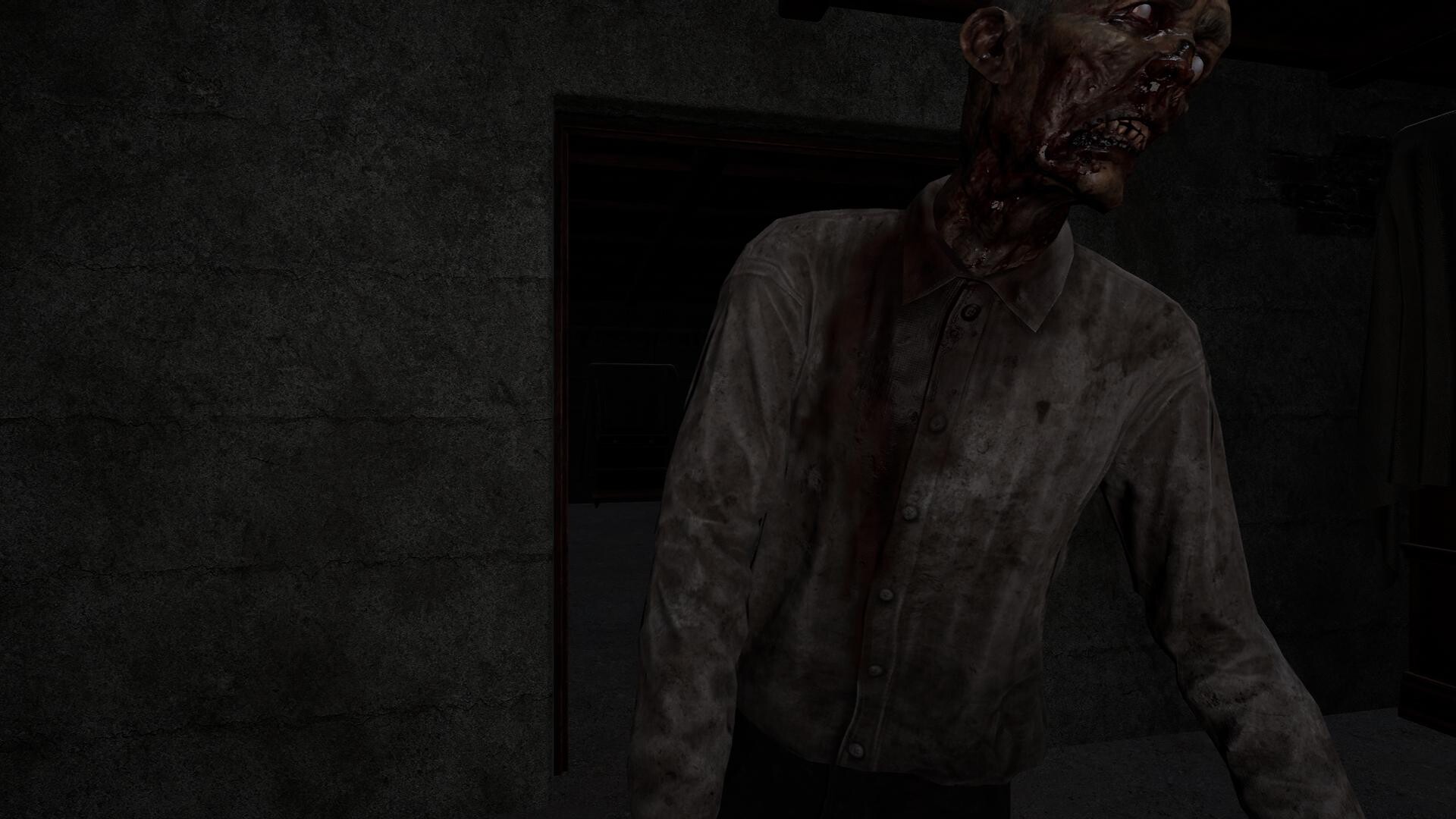
Trace of the Villa is a slow-burn atmospheric mystery adventure about a man named Jin following clues through a remote, decaying mansion. The game uses environmental dread, silence and unsettling room design to push tension from curiosity into dread rather than leaning on frequent jump scares.

Quick facts
| Title | Trace of the Villa |
|---|---|
| Release date | 28 May, 2026 |
| Developer / Publisher | Steadyturtle Co., Ltd. |
| Genres | Action, Adventure, Indie |
| Categories / accessibility | Single-player; Color Alternatives; Custom Volume Controls; Playable without Timed Input; Subtitle Options; Family Sharing |
| Steam AppID | 3483660 |
| Premise (short) | Jin has spent years searching for his missing sister, pursuing leads that took him to a remote, decaying mansion where he recovered manifests and hints that indicate his sister may still be alive, somewhere at the end of the trail he is about to follow. |
Who is this for?
Trace of the Villa suits players who prefer psychological investigation over adrenaline. If you like exploration-driven narrative, atmospheric mystery adventure, and clue-driven exploration where rooms themselves speak louder than sudden sound cues, this is aimed at you. Accessibility cues on the Steam page (playable without timed input, subtitle options, custom volume controls) also make it a reasonable fit for players who favour pacing and control over high-reflex survival.
What the game is
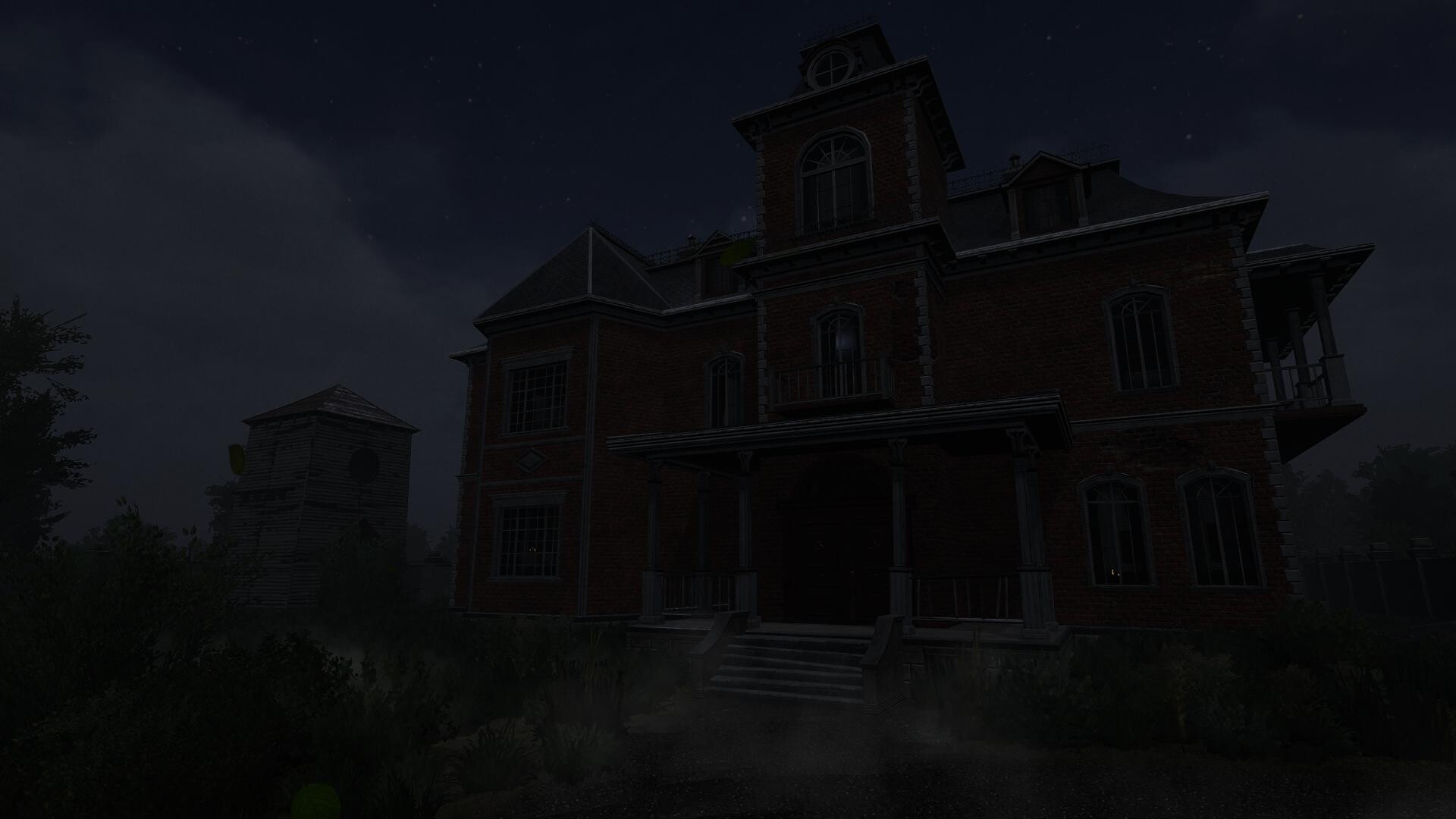
The official description frames it as a story-rich adventure: Jin follows a lead to a property “cut off from the grid and deliberately forgotten.” Rooms feel “less abandoned than erased” — furnishings left mid-routine, personal items without names, locked doors and secured systems. When Jin restores power, the mansion starts to reveal evidence: hidden compartments, encrypted documents and financial trails. The emphasis is on environmental storytelling and piecing together a deliberately obscured timeline, not on repeated shock tactics.
When & where (Steam / PC context)
Trace of the Villa launched on Steam on 28 May, 2026. It is listed as an Action / Adventure / Indie title on the Steam store and is presented as a single-player experience developed and published by Steadyturtle Co., Ltd.
Why environmental dread, silence and unsettling rooms matter
In psychological horror, interior design and silence are active systems. A furnished room that looks lived-in but stripped of identity — no photos, no names — creates a persistent cognitive mismatch: everything is familiar and nothing is anchored. That mismatch sustains tension because it forces the player into interpretation mode. Unlike repeated jump scares that elicit a single emotional spike, environmental dread keeps players on low-level alertness: you watch, you catalogue, you wait. Trace of the Villa’s official text explicitly leans into this dynamic — the mansion’s silence is described as “suffocating,” and the act of restoring power is itself a narrative device that turns environmental observation into forward momentum.
How you progress: reading the house
The Steam description shows progression tied to investigation and restoration: Jin recovers manifests, restores power, and unlocks secured systems that reveal encrypted fragments and suspicious transfers. Expect exploration, puzzle-solving and clue assembly rather than timed combat or reflex-based encounters — the store page lists “Playable without Timed Input” and other accessibility options that support a methodical pace. The gameplay loop in the text is clear: observe rooms that have been deliberately depersonalized, restore systems, solve puzzles to access more documents and timelines, then synthesize those fragments into an explanation of what the mansion was used for.
Player scenarios — who should wishlist this
- You enjoy slow, investigative horror: You prize atmosphere, layered documents and environmental puzzles that reward careful reading over twitch reactions.
- You prefer controlled pacing and accessibility: The Steam categories indicate options for subtitles, custom volume control and no timed inputs—useful for players who want to absorb narrative at their own speed.
- You want a mansion mystery with procedural revelation: If you like games where restoring systems and unlocking quiet nodes of story matter more than being startled every few minutes, add this to your wishlist.
- You want something more active or survival-oriented: If you prefer frequent combat or high-tension survival loops, this game’s emphasis on environmental storytelling may feel too measured.
How it compares (compact editorial comparison)
The following table compares Trace of the Villa to several well-known narrative/horror-adjacent titles by atmosphere, puzzle vs survival focus, exploration style and pacing. This is editorial discovery meant to help you choose a game that fits your preferences.
| Title | Release | Core setting / atmosphere | Core focus | Pacing / player fit |
|---|---|---|---|---|
| Trace of the Villa | 28 May, 2026 | Decaying mansion, domestic erasure, quiet dread | Clue-driven exploration, environmental storytelling | Slow-burn, investigative players who prefer control |
| Amnesia: The Dark Descent | 8 Sep, 2010 | Gothic castle; first-person immersion | Survival-leaning horror with immersion and escape mechanics | High-tension, immersion-focused — more reactive than methodical |
| SOMA | 21 Sep, 2015 | Undersea sci-fi environment, existential dread | Narrative horror with philosophical and exploration elements | Measured pacing but often unnerving; narrative-heavy |
| Layers of Fear (2016) | 15 Feb, 2016 | Victorian mansion, shifting rooms and psychological instability | Atmospheric storytelling through changing environment | Psychological, art-driven exploration — sense of creeping disorientation |
| Poppy Playtime | 12 Oct, 2021 | Abandoned toy factory; distinct, stylized horror | Puzzle-adventure with stealth and tense set-pieces | More set-piece and tension spikes; faster reactions required |
Leave a Reply