
Trace of the Villa: why silence, room design and environmental dread matter more than cheap shocks
Trace of the Villa (Steadyturtle Co., Ltd., released 28 May, 2026) stages its horror in absence: a decaying, deliberately forgotten mansion whose furnished rooms and locked systems whisper of erased lives. The game’s slow-burn approach — restoring power, unlocking safes and piecing together manifests — shows how uncertainty and unsettling interior design create a tension that outlasts any momentary jump scare.

Quick facts
| Title | Trace of the Villa |
|---|---|
| Steam appid | 3483660 |
| Developer / Publisher | Steadyturtle Co., Ltd. |
| Release date | 28 May, 2026 |
| Genres | Action, Adventure, Indie |
| Categories / Features | Single-player; Color Alternatives; Custom Volume Controls; Playable without Timed Input; Subtitle Options; Family Sharing |
| Official short description | Jin has spent years searching for his missing sister, pursuing leads that took him to a remote, decaying mansion where he recovered manifests and hints that indicate his sister may still be alive, somewhere at the end of the trail he is about to follow. |
What the game is — atmosphere and method over shocks
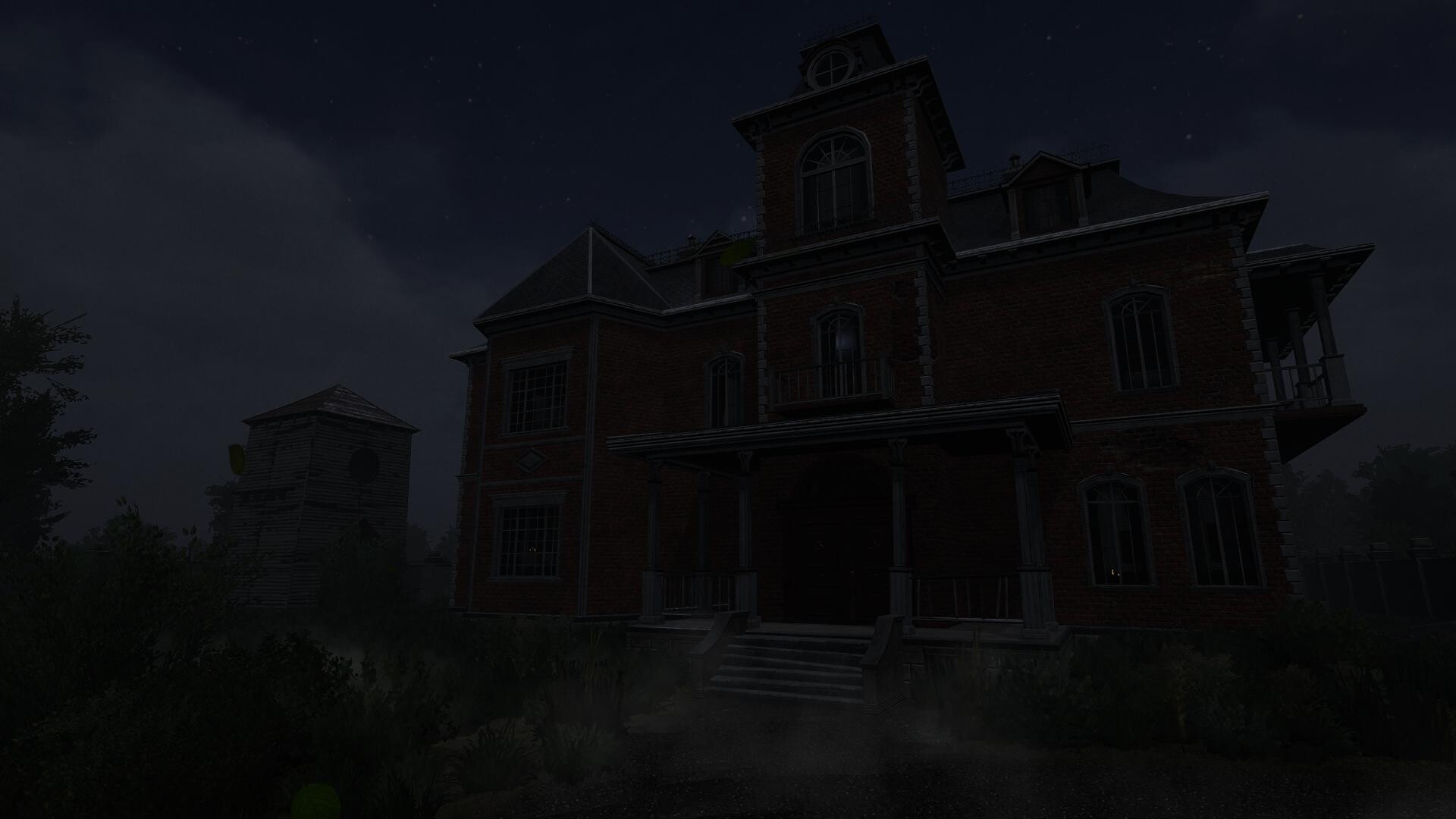
Trace of the Villa frames its mystery around an investigation: Jin follows leads to a mansion “cut off from the grid,” where rooms look as if people vanished mid-routine. The core loop the Steam description outlines is investigative and environmental — restore power, bring systems back online, unlock hidden compartments and safes, and assemble fragments of encrypted documents and transfer records. That design places emphasis on claustrophobic, lived-in spaces and the slow accretion of clues rather than scripted jump-scares.
When and where
Trace of the Villa launched on Steam on 28 May, 2026. The game’s store page and assets are published under Steadyturtle Co., Ltd.; you can view its Steam entry directly via the official store link provided below.
Why environmental dread, silence and unsettling room design matter
Environmental dread is a durable form of tension because it asks the player to fill the silence. Rooms laid out like interrupted daily life — no photos, no names, possessions left in mid-use — convert ordinary objects into narrative prompts. The developer’s choice to make the house feel “less abandoned than erased” transforms mundane interiors into a slow psychological pressure: every quiet corridor, every powered-up monitor and unlocked safe reframes what was previously plausible into something uncanny. That unresolved uncertainty keeps you on edge long after you stop playing.
How you read clues and progress
- Investigative actions are explicit in the official description: restoring estate power and reactivating secured systems is a primary way the mansion reveals its secrets.
- Hidden compartments and safes yield fragments — encrypted documents, suspicious transfer records, manifests — which combine into a larger pattern of falsified identities and arrivals/departures without records.
- Progress is clue-driven: solving environmental puzzles and unlocking systems stitches together a timeline and exposes the estate’s true function beyond being a residence.

Who should wishlist or buy this
- Players who prefer slow-burn suspense and environmental storytelling over frenetic combat or constant jump-scares.
- Fans of clue-driven exploration who like to piece together narrative threads from documents, logs and unlocked systems.
- Those who appreciate accessible options — Trace of the Villa lists Subtitle Options, Custom Volume Controls, and Playable without Timed Input among its categories.
- Players seeking a mansion mystery that leans into erased identities and institutional secrecy rather than a purely supernatural premise.
Specific player scenarios
- If you spend evenings on methodical exploration — poring over documents, backtracking when a new clue appears, and savoring dread built through design — Trace of the Villa matches that pacing.
- If you want action-adjacent beats to punctuate investigation but not constant on-rails scares, the game’s Action/Adventure genre tag suggests some dynamism while the description foregrounds investigation.
- If you prefer multiplayer, live-service or achievement farming, this single-player, story-focused release may not be the primary fit (Steam categories list Single-player explicitly).
How it compares — short editorial table
| Title | Genre / Tone | Atmosphere & Pacing | Puzzle & Exploration Focus | Notes on Story Style |
|---|---|---|---|---|
| Trace of the Villa | Action, Adventure, Indie | Slow-burn, environmental dread; mansion interior design emphasizes silence and erased identities | Clue-driven: restore power, open safes, assemble manifests and encrypted fragments | Investigation into missing persons and institutional concealment; discovery through systems and documents |
| Amnesia: The Dark Descent | Action, Adventure, Indie | Immersive, claustrophobic; sustained dread and helplessness | Exploration and environmental puzzles with strong emphasis on immersion | Personal horror delivered through atmosphere and vulnerability |
| SOMA | Action, Adventure, Indie | Sci‑fi dread and existential questioning; steadily unfolding tension | Exploration with narrative puzzles; story emerges from environment and logs | Philosophical, raises questions about identity and consciousness |
| Layers of Fear (2016) | Adventure, Indie | Psychological, Victorian mansion mood; shifting architecture and surreal moments | Story-driven puzzles tied to fragmented memory and artistic obsession | Surreal narrative anchored in a single protagonist’s psyche |
| Poppy Playtime | Action, Adventure, Indie | Playful-but-creepy factory setting; sharper, episodic scares | Puzzle mechanics with interactive tools (e.g., GrabPack) and set-piece encounters | Horror with mechanical puzzles and toy-factory aesthetic |
Comparison notes
These comparisons are editorial: they focus on tone, pacing, exploration and puzzle emphasis rather than any implied ranking. Trace of the Villa sits closest to investigative, room‑based mysteries where
Steam page
View Trace of the Villa on Steam
YouTube discovery
For trailer and gameplay discovery, use YouTube search rather than relying on unverified embeds: Find Trace of the Villa trailer and gameplay searches on YouTube.
Leave a Reply