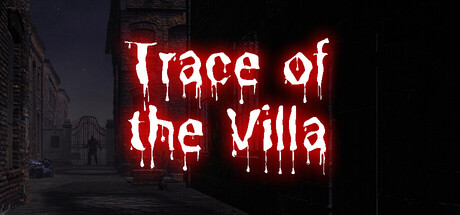
Trace of the Villa — a slow-burn mansion mystery driven by missing-person stakes
Trace of the Villa puts you in the shoes of Jin, a relentless brother who follows a cold lead into a remote, decaying mansion and begins to uncover manifests and encrypted traces that suggest his missing sister might still be alive. The game promises environmental storytelling, locked-room secrets and clue-driven progression as you restore the estate’s systems and peel back layers of a carefully concealed operation.
Who, what, when, where, why, and how
Who is this for?
Players who prefer story-rich indie adventures with strong character motivation and personal stakes — especially those who value psychological investigation and slow-burn suspense over fast action. If you like mansion mysteries, methodical clue-gathering, and narratives that unfold through found documents and environmental detail, Trace of the Villa targets that audience.
What is Trace of the Villa?
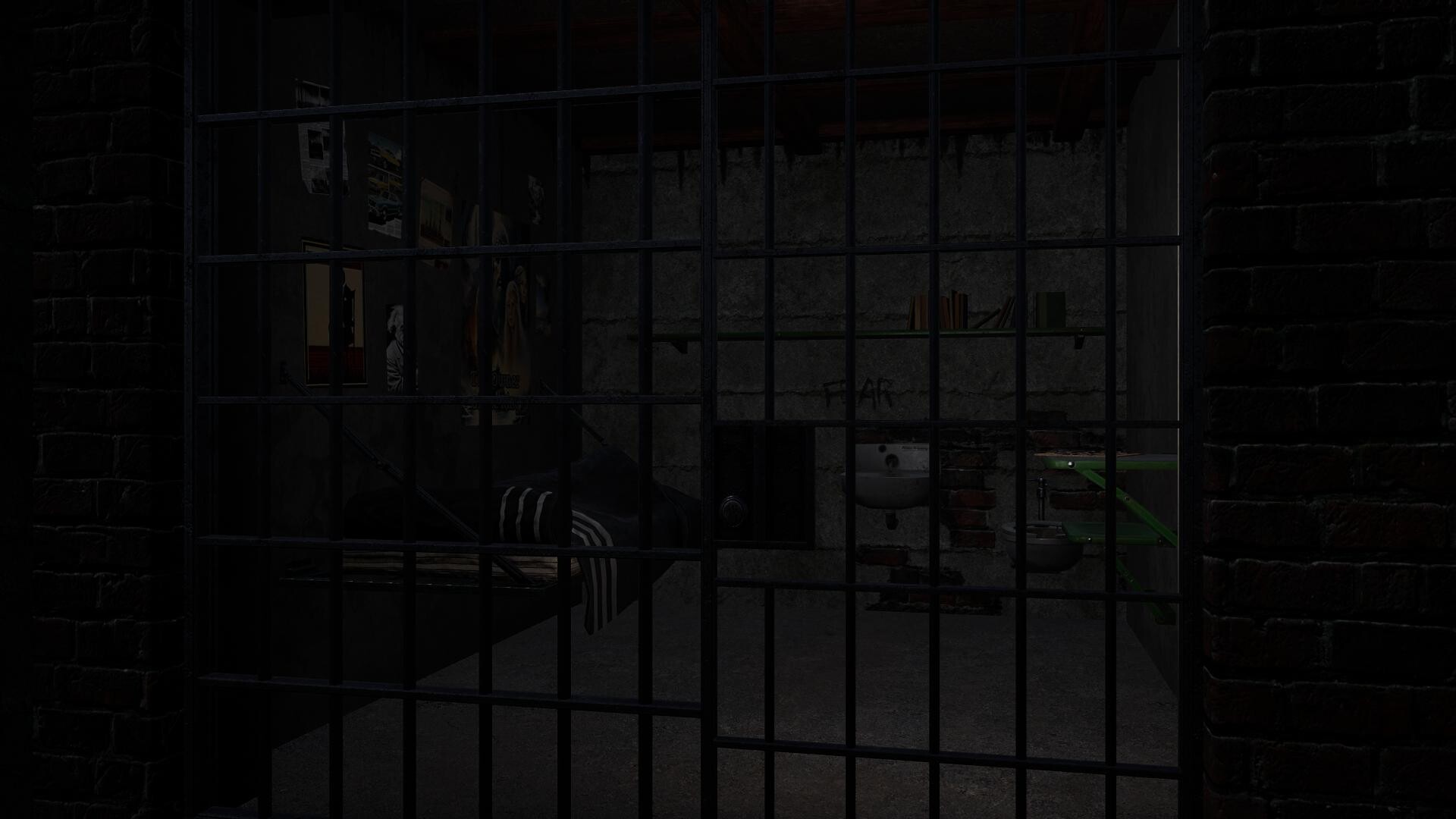
Trace of the Villa is an Action / Adventure / Indie title from Steadyturtle Co., Ltd. Its protagonist, Jin, has spent years searching for his missing sister and follows a lead to a deliberately forgotten estate. Inside, rooms look suddenly abandoned, systems are offline until you restore power, and solving puzzles reveals encrypted documents, manifests, and suspicious transfer records that suggest identities were falsified and people moved under strict control.
When and where is it available?
Trace of the Villa was released on 28 May, 2026 and is available on Steam for PC. The Steam store page and official assets are the primary sources for the developer/publisher and feature list.
Why the missing-person stakes matter
Missing-person narratives give a clear personal objective — Jin’s search frames the exploration and raises the emotional stakes of every unlocked door and fragmentary document. The game’s descriptions emphasize identity erasure and financial trails, which steer the mystery toward human consequences rather than abstract horror; that focus helps the player care about each clue they recover.
How you progress
Progression is clue-driven and investigative: restoring power to the mansion brings systems back online, hidden compartments and safes open, and encrypted fragments become accessible. Puzzles and environmental reads appear tied to the narrative — each solved puzzle reveals another layer of a concealed operation, and manifests or transfer records provide leads toward the trail Jin is following.
Official visuals


Quick facts
| Title | Trace of the Villa |
|---|---|
| Steam appid | 3483660 |
| Developer | Steadyturtle Co., Ltd. |
| Publisher | Steadyturtle Co., Ltd. |
| Release date | 28 May, 2026 |
| Genres | Action, Adventure, Indie |
| Categories / Features | Single-player; Color Alternatives; Custom Volume Controls; Playable without Timed Input; Subtitle Options; Family Sharing |
| Official short description | Jin has spent years searching for his missing sister, pursuing leads that took him to a remote, decaying mansion where he recovered manifests and hints that indicate his sister may still be alive, somewhere at the end of the trail he is about to follow. |
How Trace of the Villa compares to nearby story-rich mysteries
Below is a focused editorial comparison on tone, puzzle focus, exploration style and pacing to help you decide if this is the kind of mystery you want to play next.
| Title | Atmosphere / Tone | Puzzle / Mechanic Focus | Exploration Style | Pacing / Player Fit |
|---|---|---|---|---|
| Trace of the Villa | Decaying mansion, erasure of identity, personal stakes (missing sister). | Clue-driven investigations, restoring systems, unlocking safes and encrypted fragments. | Contained estate exploration with layered reveals as systems come back online. | Slow-burn, narrative-led; fits players who prioritize mystery, environmental storytelling, and investigative progression. |
| Inscryption | Inky, psychological horror with metafictional edges. | Card-based deckbuilding mixed with escape-room puzzles and layered secrets. | Varied: card tables and interstitial spaces that hide meta-puzzles. | Players who enjoy experimental structure, emergent secrets and genre-blending puzzles. |
| Outer Wilds | Wide-open cosmic mystery; wonder mixed with melancholy. | Environmental puzzles that rely on observation and experimentation over inventory puzzles. | Open-world solar system exploration across multiple locations and time-loop mechanics. | Best for players who like non-linear exploration, naturalistic discovery and systemic storytelling. |
| The Forgotten City | Philosophical, narrative-driven mystery set in an ancient environment. | Dialogue, moral puzzles and time-loop mechanics that change outcomes. | Closed locale (ancient city) with dense NPC interactions and investigative threads. | Players attracted to narrative consequence, branching outcomes and puzzle-led mystery. |
| The Medium | Psychological horror, dual-reality narrative. | Puzzles that use parallel dimensions and horror-infused exploration. | Linear but atmosphere-heavy locations tied to story beats. | For players who want a strong psychological, mood-driven experience with puzzle elements. |
| Journey | Poetic, contemplative exploration with minimalist story. | Traversal-focused design and environmental puzzles tied to movement. | Open, sweeping landscapes encouraging exploration and discovery. | Players who prefer non-verbal storytelling, mood and audiovisual atmosphere over document-based investigation. |
Player scenarios — who should wishlist Trace of the Villa
- You’re driven by character motivation: you want a protagonist whose personal mission (finding a missing sister) gives teeth to each discovery.
- You enjoy slow, methodical reveals: restoring power and
Steam page
View Trace of the Villa on Steam
YouTube discovery
For trailer and gameplay discovery, use YouTube search rather than relying on unverified embeds: Find Trace of the Villa trailer and gameplay searches on YouTube.
Leave a Reply