
Who should consider Trace of the Villa after enjoying atmospheric mystery adventures?
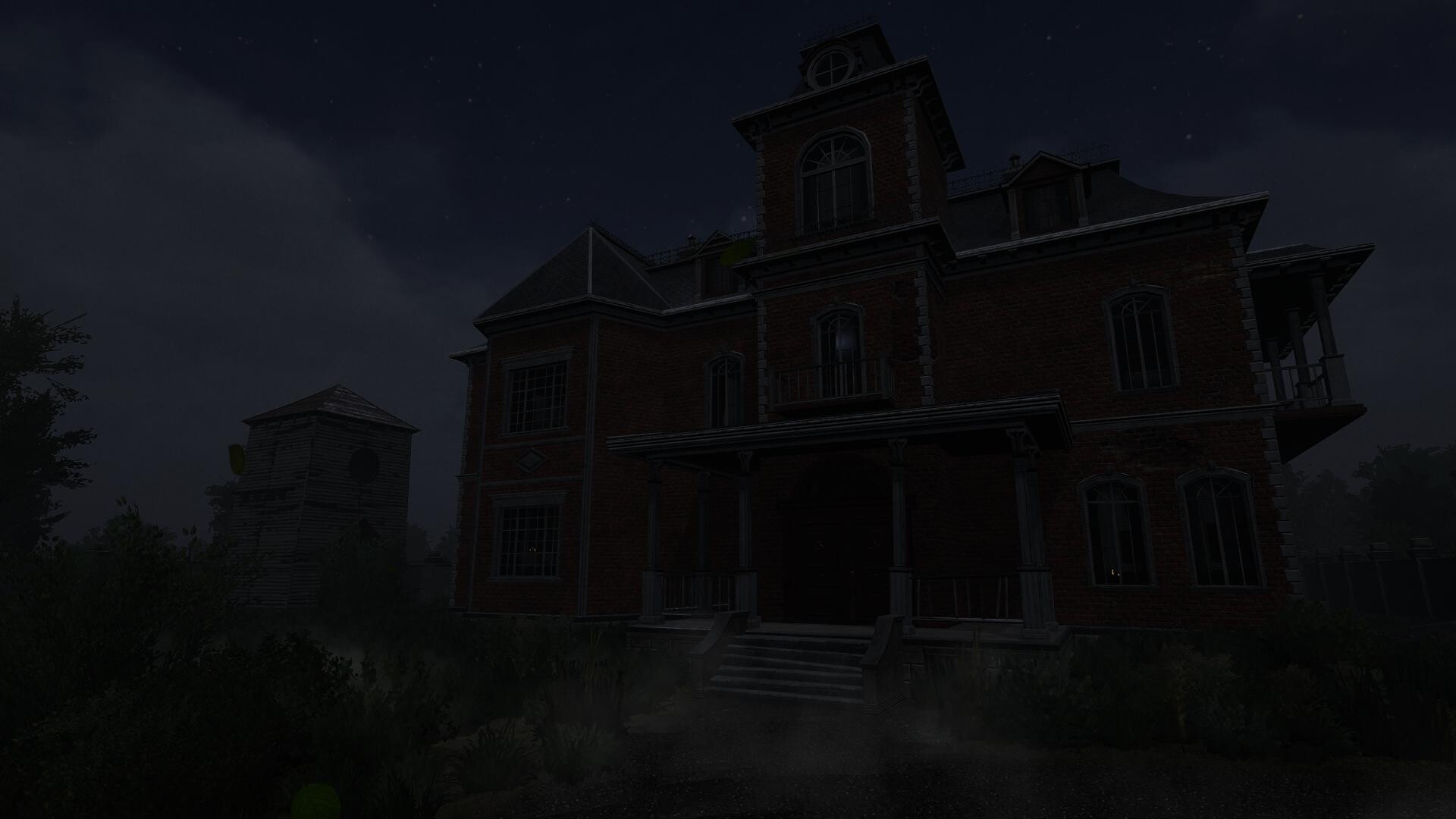
Trace of the Villa is a slow-burn, clue-driven mystery set in a deliberately decaying mansion — built around investigative environmental storytelling and puzzle-led discovery. If you prize atmospheric exploration, layered documents and systems that open up new paths as you restore power and access, Trace of the Villa is positioned for that audience.

Quick facts
| Title | Trace of the Villa |
|---|---|
| Release date | 28 May, 2026 |
| Developer / Publisher | Steadyturtle Co., Ltd. |
| Genres | Action, Adventure, Indie |
| Key Steam categories | Single-player; Color Alternatives; Custom Volume Controls; Playable without Timed Input; Subtitle Options; Family Sharing |
| Steam AppID / Store | 3483660 — Trace of the Villa on Steam |
What the game is — tone, structure and core loop
Trace of the Villa centers on Jin, a protagonist searching for a missing sister, whose investigation leads to a remote, cut‑off mansion. According to the official Steam description, the estate looks erased of identities — furnished rooms with “no photographs, no names” — and the game frames discovery through restoring systems, unlocking compartments, and decrypting documents. That description positions the core loop as exploration + evidence gathering: interact with the environment, restore power or access, and follow the trail revealed in manifests and suspicious records.
When and where — Steam / PC context
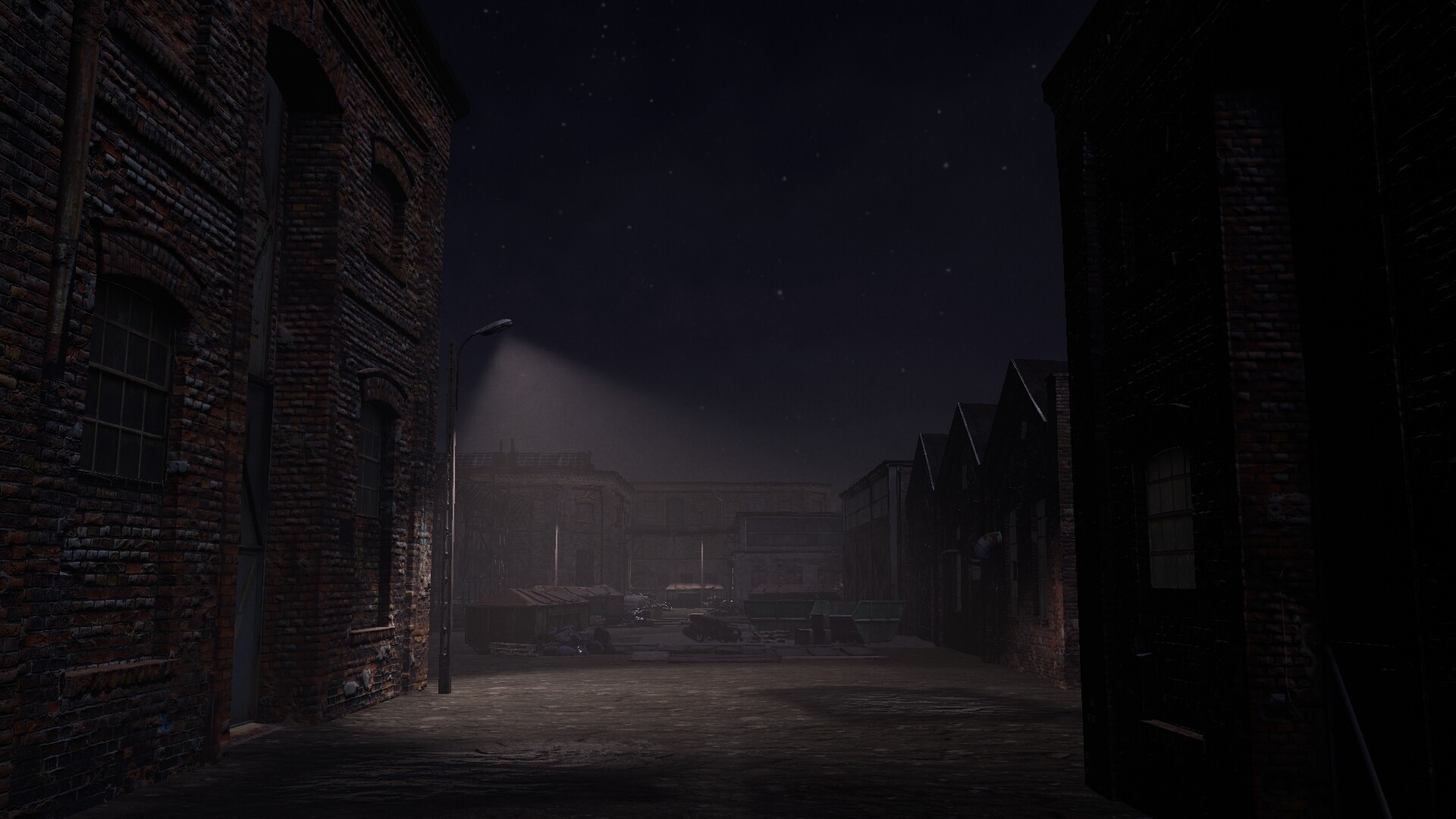
Trace of the Villa was released 28 May, 2026 and is presented on Steam as an indie Action/Adventure title from Steadyturtle Co., Ltd. The Steam store assets include header and multiple official screenshots that emphasize the mansion setting and investigative moments. The store listing highlights accessibility categories such as subtitle options and controls that avoid timed input.
Who should play it — target player profiles
This game will likely resonate with players who prefer atmosphere and methodical investigation over constant action. Below are concrete player scenarios to help decide if it fits your taste:
- You’re drawn to slow-burn suspense and mansion mysteries that reveal plot through found documents and locked systems rather than combat.
- You appreciate environmental storytelling where a room’s decor and omitted details (e.g., missing names or photos) are themselves clues.
- You want puzzles that unlock narrative threads—restoring power or decrypting fragments to open new paths and reveal financial or identity traces.
- You like single-player, story-first indie adventures with options for accessibility (subtitles, no timed input).
Why the theme matters — what this setting offers
The “erased” mansion motif in Trace of the Villa promises a psychological investigation anchored by concrete artifacts: manifests, encrypted documents, and suspicious transfers. That combination encourages players to treat the house like an evidence board — every unlocked system or safe yields fragments that reframe what you thought you knew. If narrative puzzles that unspool a larger, systemic mystery (identities, financial traces, controlled movements) interest you, that thematic focus matters because the game builds its atmosphere around uncovering institutional concealment rather than jump scares or combat escalation.
How you progress — clues, pacing and exploration
Progression appears structured around restoring estate systems and opening secured containers. The official text describes powering up the estate, which brings systems back online, unlocks hidden compartments, and reveals encrypted documents and transfer records. That suggests a pacing rhythm: examine a room, restore or manipulate environment elements to gain access, then read documents that point to new locations or decrypt routines. Expect a clue-driven loop where exploration yields narrative fragments that direct the next investigative move.
How Trace of the Villa compares to nearby mystery/adventure titles
Below is a focused editorial comparison on tone, pacing, clue and puzzle focus, and exploration style — intended to help you decide which follow-up or alternative suits your preferences. These summaries are drawn from the official descriptions and public store summaries for each title.
| Title | Tone / Atmosphere | Pacing | Clue / Puzzle Focus | Exploration Style | Player fit |
|---|---|---|---|---|---|
| Trace of the Villa | Decaying mansion, investigative, personal stakes | Methodical, clue-led reveal as systems are restored | Document fragments, encrypted records, hidden compartments | Mansion interior; environmental storytelling tied to system restoration | Players who prefer story-rich, evidence-driven mystery and slow-burn suspense |
| Amnesia: The Dark Descent | Oppressive survival-horror immersion | Immersive, tension-focused; often relentless | Discovery and survival; environmental clues that heighten dread | First-person exploration of dark, hostile spaces | Players seeking intense atmospheric horror and immersion |
| SOMA | Sci-fi, existential horror below the waves | Measured, narrative-driven with philosophical beats | Narrative clues and environmental context tied to story themes | Underwater facility exploration with story puzzles | Players interested in story-heavy sci-fi horror and moral questions |
| Layers of Fear (2016) | Psychological, painter-centric Victorian atmosphere | Atmospheric and variable, with escalating revelations | Environmental storytelling; the house itself is a storytelling device | Shifting Victorian mansion that changes with progress | Players who favor psychological narrative and atmospheric set pieces |
| The Room | Mysterious, tactile puzzle-box ambience | Puzzle-focused; steady and contained | Mechanical puzzles and object manipulation | Contained rooms/objects centered on puzzle devices | Puzzle-solvers who enjoy tight, mechanical brainteasers |
Leave a Reply