
Trace of the Villa — how clue reading, object logic, and story puzzles shape a mansion mystery
Trace of the Villa puts you in Jin’s shoes: a focused, clue-driven investigation that unfolds inside a decaying mansion where manifests, encrypted fragments and locked systems slowly reveal a larger scheme. Released on 28 May, 2026 by Steadyturtle Co., Ltd., this Action/Adventure/Indie title leans on environmental storytelling and puzzle-led discovery rather than combat spectacle.

Who, what, when, where, why, and how
Who it is for
Players who prize slow-burn atmosphere, close reading of environmental clues, and narrative puzzle design. If you prefer investigative games that reward observation, logic and piecing together a timeline from scattered documents and evidence, Trace of the Villa targets that preference. It’s single-player and tagged with accessibility options such as Color Alternatives, Custom Volume Controls, Playable without Timed Input, and Subtitle Options—useful signals for players who need a less reflex-driven, more contemplative experience.
What the game is
Officially framed around Jin’s search for his missing sister, the game begins when a lead points him to a remote, deliberately forgotten mansion. The Steam description emphasizes restored systems, hidden compartments, safes and fragments of encrypted documents that gradually expose falsified identities, suspicious transfers and an apparently controlled flow of people. Those elements place the title squarely in the realm of narrative puzzle adventures built around clue-reading and object logic.
When and where
Trace of the Villa launched on Steam on 28 May, 2026. It is developed and published by Steadyturtle Co., Ltd. The Steam app page (appID 3483660) lists the game’s genres as Action, Adventure, Indie and the categories shown include Single-player and various accessibility and comfort options.
Why the theme matters
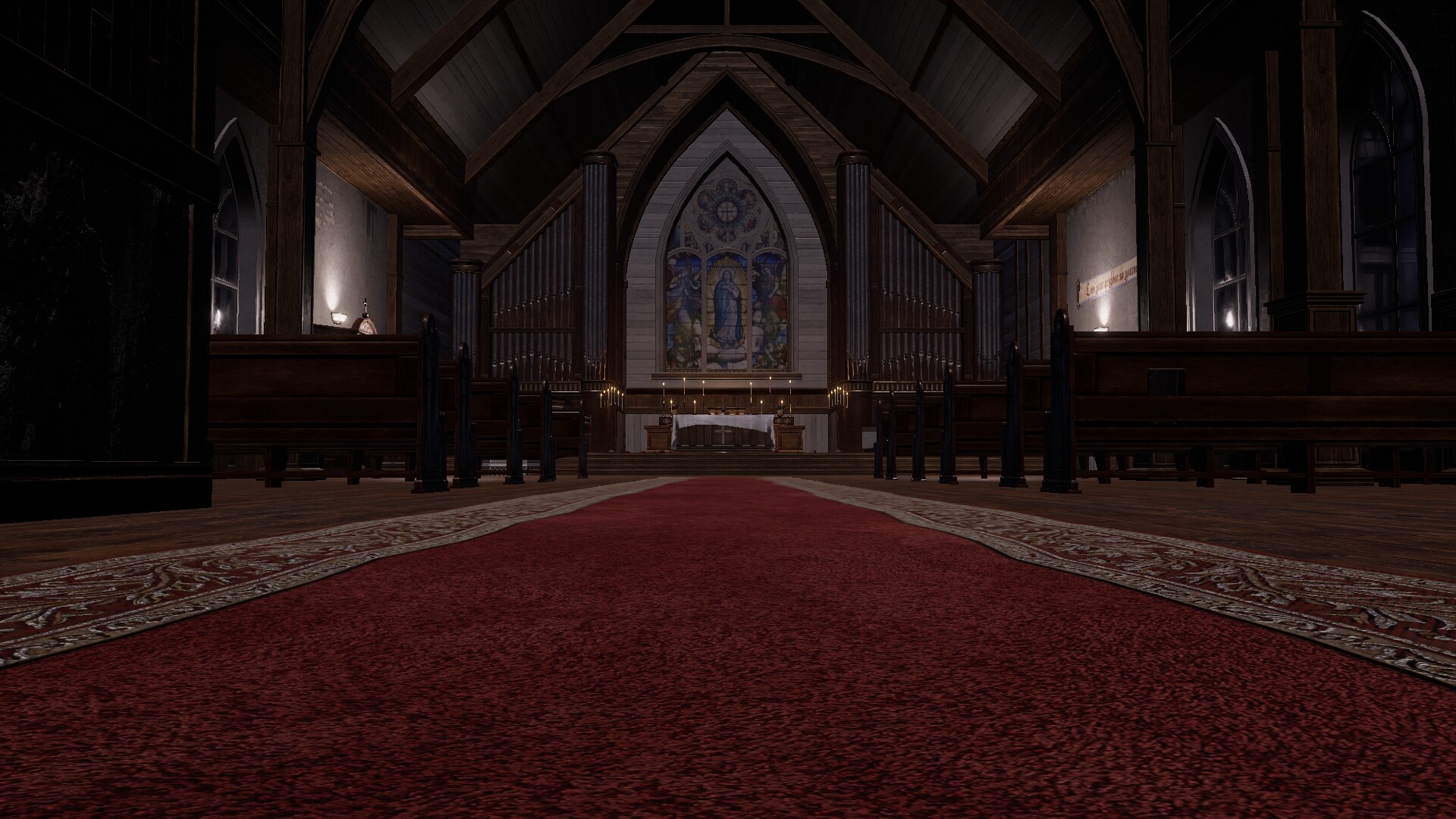
Mansion mysteries work because the setting doubles as a character: furniture, utilities and locked rooms are narrative devices. Trace of the Villa appears to use that device deliberately—rooms furnished as if occupants vanished mid-routine, missing names or photos, and falsified records all create a cognitive itch that clue-driven players want to scratch. Thematically, the game centers on disappearance and erasure; the puzzles are the mechanic by which the player reconstructs identity and timeline.
How you progress
According to the official description, progress comes from restoring power to systems, unlocking compartments and decrypting fragments recovered from safes and secured systems. That suggests a loop of discovery: find objects or access nodes, read manifests or encrypted text, infer connections, and use object logic to open the next layer. The emphasis on manifests, transfer records and falsified identities points to puzzles that reward careful note-taking and associative reasoning rather than rote dexterity.
Compact facts: Trace of the Villa
| Title | Trace of the Villa |
|---|---|
| Steam AppID | 3483660 |
| Release date | 28 May, 2026 |
| Developer / Publisher | Steadyturtle Co., Ltd. |
| Genres | Action, Adventure, Indie |
| Key categories / features | Single-player; Color Alternatives; Custom Volume Controls; Playable without Timed Input; Subtitle Options; Family Sharing |
| Store page | Trace of the Villa on Steam |
Comparison: nearby puzzle/adventure titles (editorial discovery)
Below is a focused editorial comparison—genre, tone and player fit—so you can see where Trace of the Villa sits relative to puzzle-adjacent releases.
| Game | Genre / Focus | Atmosphere / Story Tone | Puzzle emphasis | Exploration style | Player fit |
|---|---|---|---|---|---|
| Trace of the Villa | Action / Adventure / Indie (narrative puzzle adventure) | Mansion mystery, slow-burn, investigative | Document fragments, locked systems, encrypted records; clue-reading and object logic | Single-player environmental exploration inside a decaying estate | Players who like reading clues, reconstructing timelines and piecing together an unsettling narrative |
| The Room | Adventure / Indie | Isolated, tactile, mysterious | Mechanical puzzles focused on manipulating contraptions and safes | Structured, single-location puzzle chambers | Players who enjoy intricate physical puzzling and tactile problem solving |
| Escape Simulator | Adventure / Simulation / Indie | Varied—often playful to tense depending on room | Highly interactive object puzzles, physics, multi-step solutions | Room-by-room escape challenges, community levels | Players who enjoy manipulation, experimentation and cooperative solving |
| Unpacking | Casual / Indie / Simulation | Zen, domestic, quietly narrative | Spatial, context-driven item placement revealing backstory | Room-centered, low-pressure placement puzzles | Players who prefer gentle storytelling through objects and life reconstruction |
Editorial note: these comparisons focus on design and player preference rather than quality judgments—see each title’s store page for full details.
Player scenarios — who should wishlist this now
- If you enjoy detective-style reading of manifests, logs and physically locked safes to reconstruct a story, this is a likely match.
- If you prefer atmospheric, single-player mysteries that emphasize discovery over twitch skill, the “Playable without Timed Input” tag and subtitle options are relevant.
- If you want tightly wound environmental storytelling where the house itself supplies narrative clues (furnished rooms, missing photos, falsified records), add it to your Steam wishlist.
- If you favor cooperative puzzle rooms or overtly physical tinkering, consider pairing this with other titles (e.g., Escape Simulator) rather than expecting the same mechanics here.
How clue reading, object logic and story puzzles shape pacing
Trace of the Villa appears constructed around an uncovering loop: restore systems, access sealed areas, recover manifests and encrypted fragments, and then use that information to advance. That loop enforces a measured pace—players stop to read, annotate and connect dots. Object logic here is less about inventory juggling and more about interpreting what an item or record implies for identity and timeline. When the house’s systems come back online, the game uses those toggles to gate narrative revelations rather than to spike difficulty; that design choice tends to reward patient, analytical playstyles.

YouTube discovery
For trailer and gameplay discovery, use YouTube search rather than relying on unverified embeds: Find Trace of the Villa trailer and gameplay searches on YouTube.
Leave a Reply