
Trace of the Villa — why quiet tension and sustained uncertainty matter more than cheap shocks
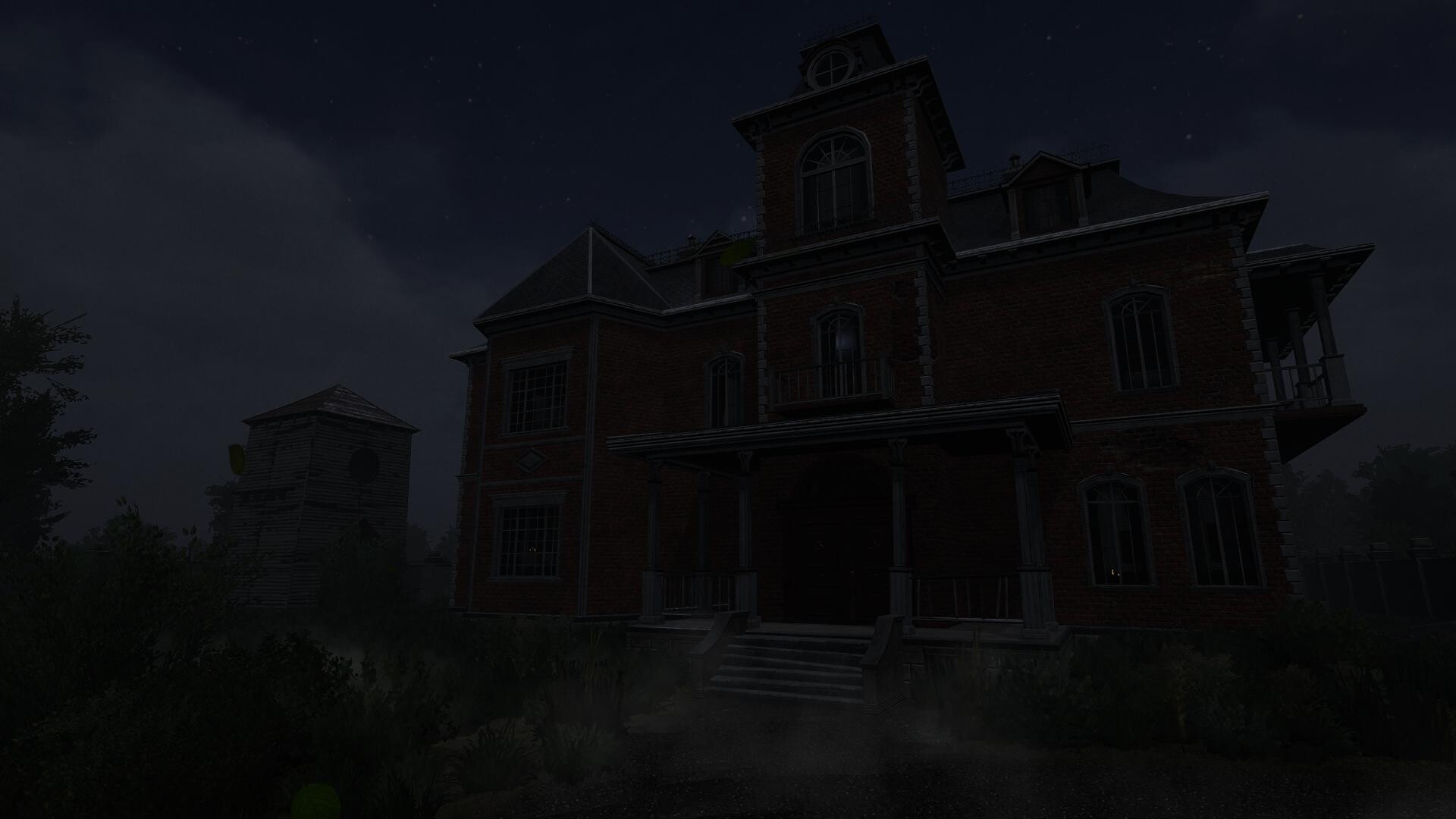
Trace of the Villa centers on Jin, a search that has become an investigation into absence: a decaying, off-grid mansion that feels less abandoned than erased. The game leans on environmental storytelling, gradual restoration of systems, and clue-driven exploration to build slow-burn suspense rather than relying on jump scares.

Who: who should consider wishlisting this?
If you prefer atmospheric mystery adventure, psychological investigation, and narrative puzzle design over adrenaline-first horror, Trace of the Villa is aimed at you. Players who enjoy reading environment, following manifests and encrypted fragments, and assembling a timeline from physical clues will find the pacing and mood here more satisfying than jump-scare driven fare.
What: what the game is (facts from Steam)
Trace of the Villa is an Action / Adventure / Indie title developed and published by Steadyturtle Co., Ltd. The official short description frames the premise plainly: “Jin has spent years searching for his missing sister, pursuing leads that took him to a remote, decaying mansion where he recovered manifests and hints that indicate his sister may still be alive, somewhere at the end of the trail he is about to follow.”
The full Steam description expands on how that premise plays out: inside the estate rooms remain furnished as if occupants vanished mid-routine; restoring power brings secured systems back online; hidden compartments, safes, encrypted documents and suspicious records gradually reveal a carefully concealed operation. The game lists single-player and accessibility-oriented categories such as Color Alternatives, Custom Volume Controls, Playable without Timed Input, and Subtitle Options.
When / Where: availability and Steam context
Trace of the Villa released on 28 May, 2026 and is available on Steam for PC. Developer and publisher: Steadyturtle Co., Ltd. The Steam listing presents it as a single-player, story-rich adventure with categories that indicate accessibility options and a non-timed, exploration-forward approach.
Why: why quiet tension and uncertainty matter here
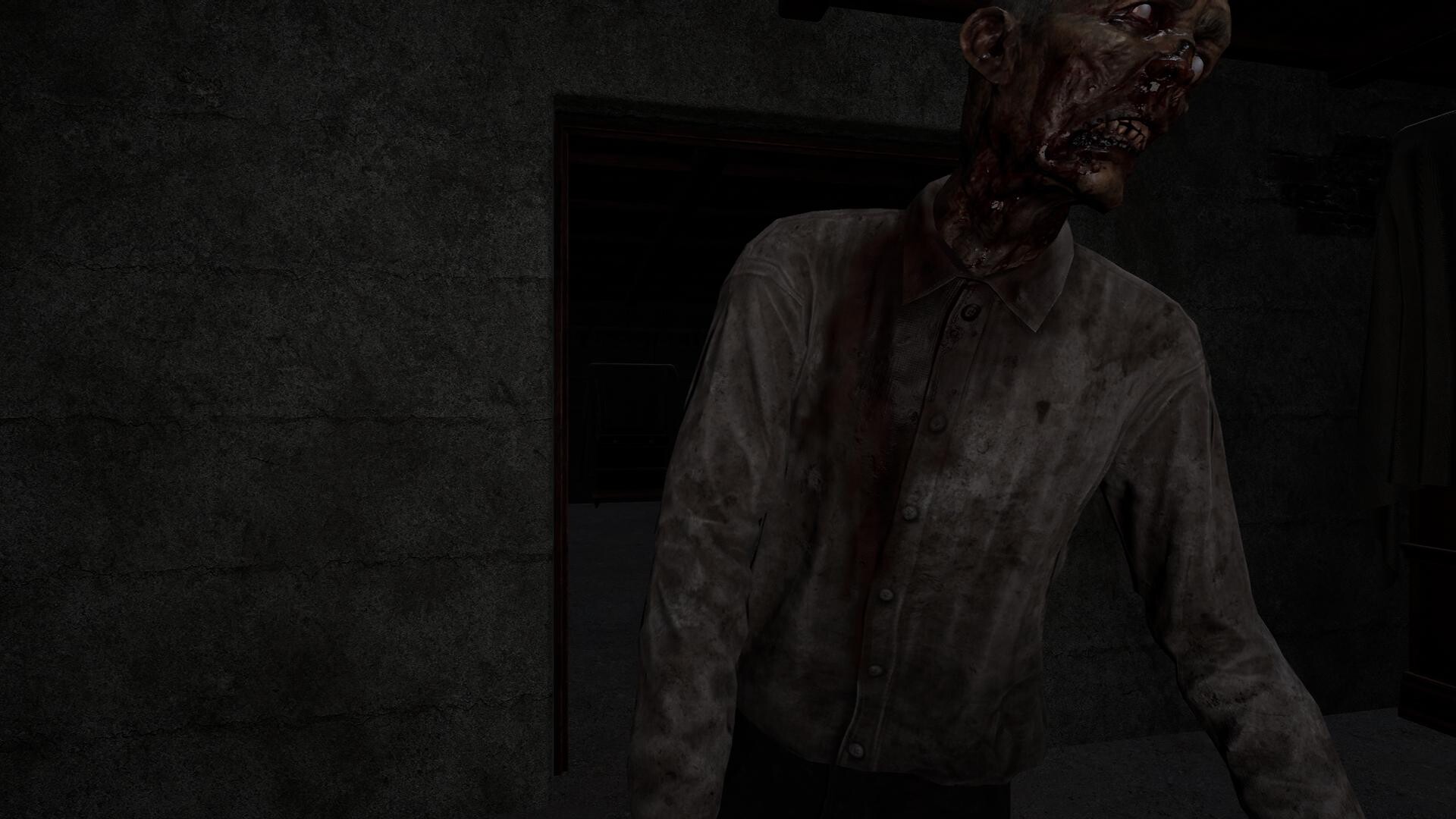
Horror built around subtle disquiet asks the player to keep paying attention between moments rather than reacting to sudden shocks. In Trace of the Villa the removal of names and photographs, the sense of erasure in rooms, and the slow return of powered systems turn discovery itself into a generator of dread. Uncertainty becomes the engine of the narrative: not every clue resolves immediately, and the atmosphere is designed to leave you looking twice at otherwise ordinary objects.
That restraint matters because it makes revelations feel earned. When safes open or encrypted fragments resolve, those moments land with narrative weight because they break the hush rather than puncture it arbitrarily.
How: how you progress and piece the story together
Progress in Trace of the Villa is clue-driven. Jin restores power to the mansion to reactivate secured systems; hidden compartments and safes become accessible; documents, manifests and suspicious transfer records provide fragments of a timeline. Solving puzzles and decrypting fragments reveals layers of a concealed operation—arrivals without records, departures without witnesses—and each unlocked detail reframes what came before. The emphasis is on reading the environment and assembling context rather than on timed reflex challenges.
Quick facts
| Title | Trace of the Villa |
|---|---|
| Steam AppID | 3483660 |
| Release date | 28 May, 2026 |
| Developer / Publisher | Steadyturtle Co., Ltd. |
| Genres | Action, Adventure, Indie |
| Key categories | Single-player; Color Alternatives; Custom Volume Controls; Playable without Timed Input; Subtitle Options; Family Sharing |
How it compares — an editorial snapshot
Below is a measured comparison on lawful editorial criteria: genre, atmosphere, puzzle focus, exploration style, story tone, pacing, and the player profiles that may prefer each title.
| Title | Genre / Core | Atmosphere | Puzzle / Investigation | Exploration Style | Story Tone / Pacing | Who might prefer |
|---|---|---|---|---|---|---|
| Trace of the Villa | Action / Adventure / Indie | Subtle, erasure-driven mansion mystery | Document-driven puzzles, power restoration, safes, encrypted fragments | Slow, room-by-room environmental reading | Slow-burn, methodical revelation | Players who value atmosphere, clue assembly, and restrained dread |
| Amnesia: The Dark Descent | Action / Adventure / Indie | Immersive, claustrophobic | Survival-oriented puzzles and hide/avoid mechanics | First-person immersion with physics interactions | Tense, often frantic survival pace | Players who want high-immersion fear and threat-driven encounters |
| SOMA | Action / Adventure / Indie | Atmospheric, existential sci-fi | Environmental puzzles with narrative context | Exploration of confined, story-heavy spaces | Measured, contemplative pacing with philosophical weight | Players who like story-heavy, thought-provoking horror |
| Layers of Fear (2016) | Adventure / Indie | Psychological, surreal Victorian mansion | Object and sequence puzzles tied to progression | Shifting, corridor-and-room exploration | Art-driven, escalating instability | Players drawn to unreliable narration and surreal atmosphere |
| Poppy Playtime | Action / Adventure / Indie | Toy-factory uncanny, tension with intermittent threat | Puzzle tools (GrabPack) mixed with stealth/avoid elements | Set-piece rooms with mechanical puzzles | Rhythmic tension—puzzles interleaved with encounters | Players who like puzzle tools plus moments of direct threat |
Player scenarios — which moment is this ideal for?
- Evening of quiet exploration: You want a game to sit with, taking notes and triangulating meaning from objects and documents.
- Puzzle-first mystery: You prefer narrative
Steam page
View Trace of the Villa on Steam
YouTube discovery
For trailer and gameplay discovery, use YouTube search rather than relying on unverified embeds: Find Trace of the Villa trailer and gameplay searches on YouTube.
Leave a Reply