
Trace of the Villa: an inspection-heavy mansion mystery for clue-driven players
Trace of the Villa places you in Jin’s shoes, piecing together fragments of a deliberately erased estate as he follows a trail that may lead to his missing sister. Released on 28 May, 2026 by Steadyturtle Co., Ltd., the game mixes slow-burn atmosphere, environmental storytelling, and puzzle sequences that reward careful looking and chained deduction.

Quick facts
| Title | Trace of the Villa |
|---|---|
| Release date | 28 May, 2026 |
| Developer / Publisher | Steadyturtle Co., Ltd. |
| Genres | Action, Adventure, Indie |
| Steam categories | Single-player; Color Alternatives; Custom Volume Controls; Playable without Timed Input; Subtitle Options; Family Sharing |
| Short premise (from Steam) | Jin searches a remote, decaying mansion and recovers manifests and hints that indicate his sister may still be alive at the end of the trail. |
Who this is for
If your preferred puzzle loop is inspection → inference → item-to-environment use, Trace of the Villa is aimed at that playstyle. The Steam description emphasizes a mansion “cut off from the grid” where power restoration and checking secured systems are explicit beats—so players who enjoy methodical, atmosphere-first mystery adventures and who take satisfaction from unraveling multi-step clue chains will find the design appealing.
What the game is (how it plays)
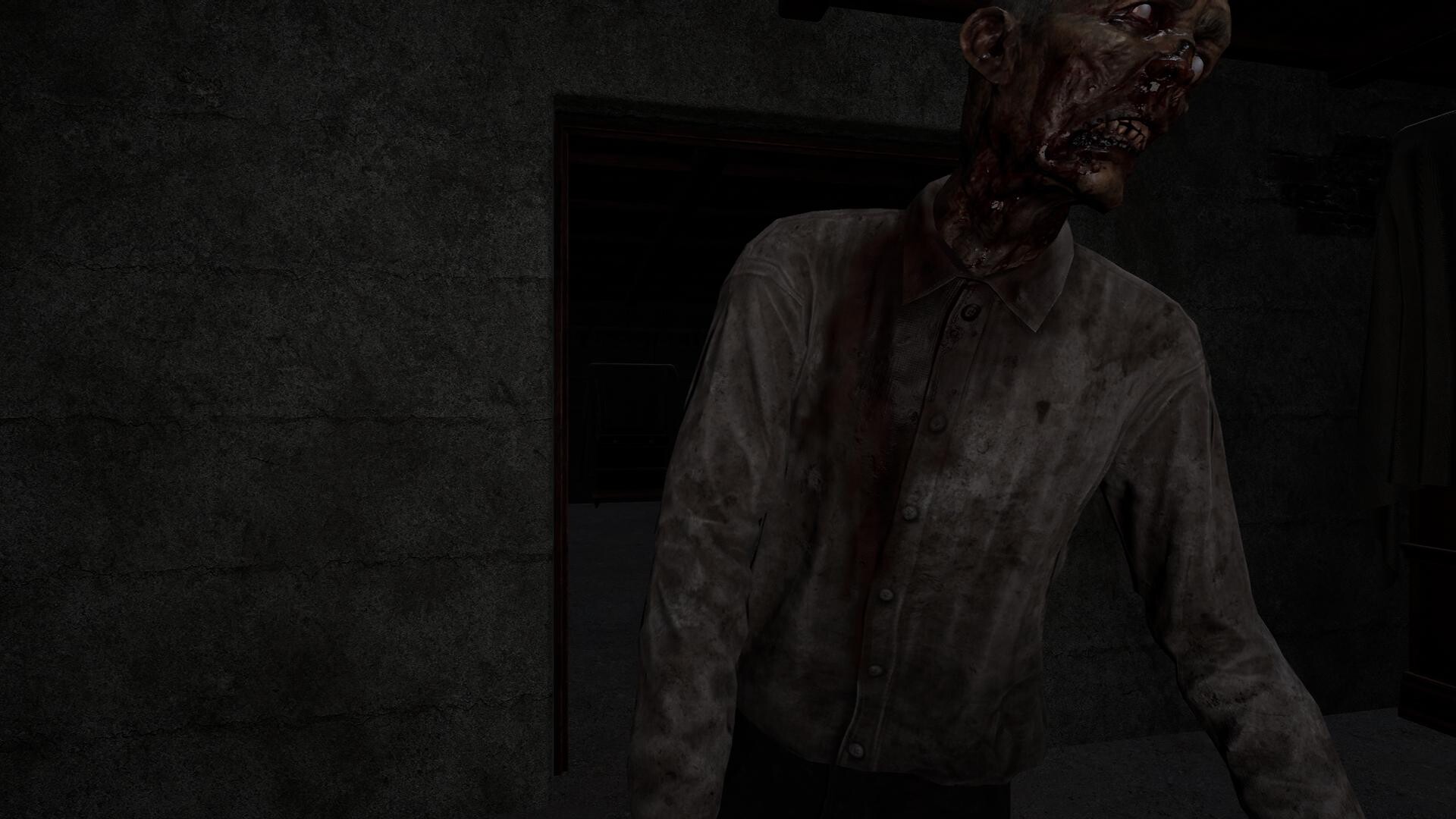
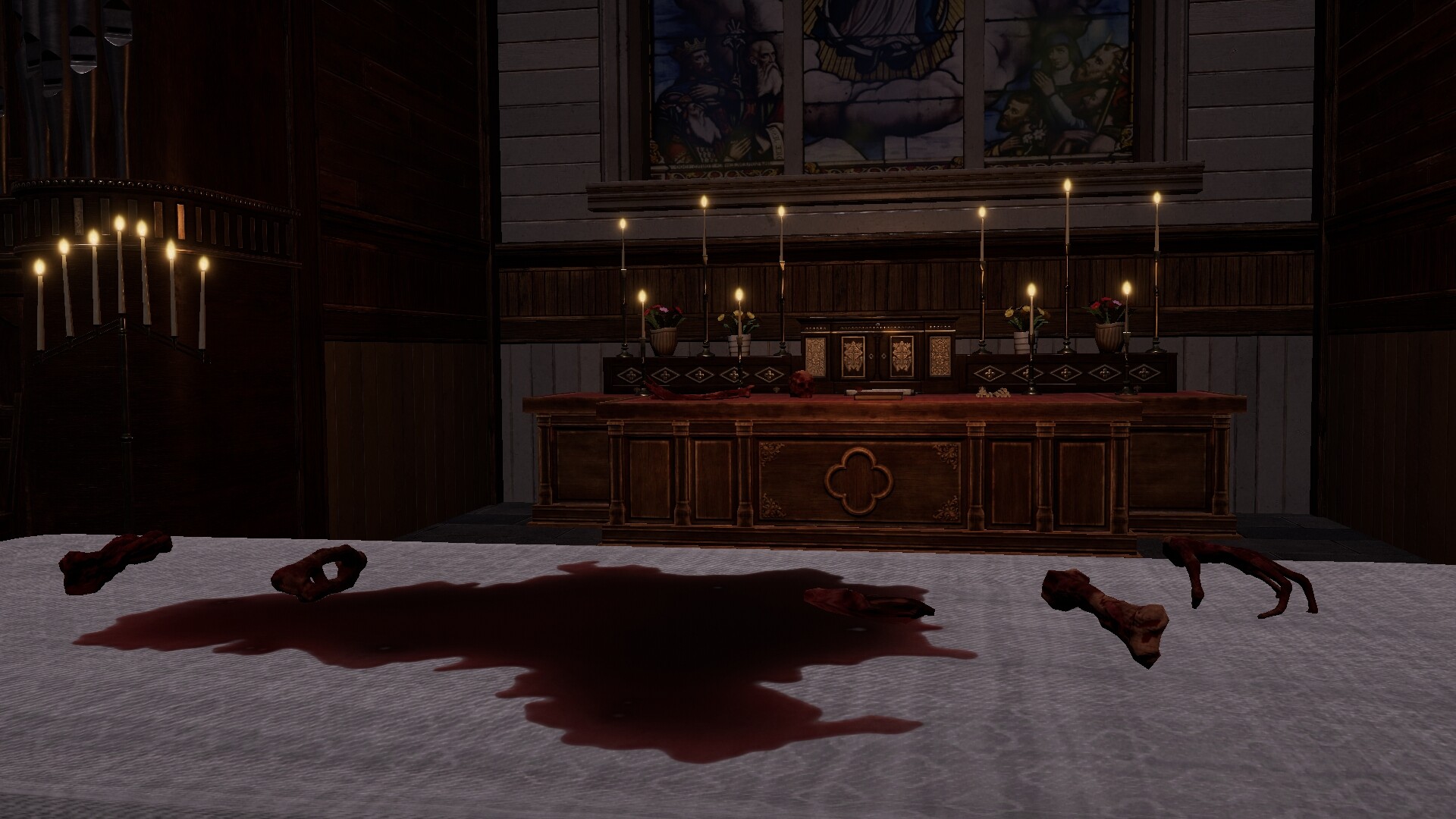
According to the Steam page, Trace of the Villa unfolds as Jin explores a property that appears intentionally erased: furnished rooms with missing names and no recent records. Gameplay centers on restoring systems, opening hidden compartments, and decrypting fragments of documents. That setup implies an emphasis on environmental puzzles and object logic—reading the scene to infer what’s been removed, then working through puzzles that reveal the next layer of the story.
When and where
Trace of the Villa is available on Steam for PC and was released on 28 May, 2026. The Steam page lists standard accessibility options such as subtitle options, color alternatives, and custom volume controls, and the title is categorized as single-player.
Why the theme matters: erasure, identity, and environmental storytelling
The game’s core conceit—rooms that look lived-in but with identities removed—naturally pushes players into a forensic approach to space. Rather than relying on jump scares or fast combat, Trace of the Villa builds tension through what the environment does and does not show: empty picture frames, falsified records, and secured systems that only reveal themselves after you restore power. That focus makes the mansion less a haunted set-piece and more an evidence locker; atmosphere serves investigation.
How you progress: locked-room thinking, clue chains, and object logic
Progression, as described on Steam, hinges on restoring systems and piecing together encrypted documents and transfer records. Expect puzzles that are less about isolated mini-games and more about chains of discovery: find a manifest, follow a financial trail, decode a locked compartment, then use that new item or information to read a room differently. This is inspection-heavy play: repeat passes through the same spaces after unlocking a subsystem are likely, and success rewards careful note-taking and pattern recognition.
Player scenarios — Who should wishlist it (and who should not)
- Wishlist if: you enjoy slow, story-rich investigation where environmental reading and multi-step puzzles are the main reward; you like unraveling identity mysteries tied to place; you value accessibility options like subtitles and customizable audio.
- Consider waiting if: you prefer fast-paced action or cooperative escape-room play; you expect constant mechanical novelty every few minutes.
- Play sessions: the categories and design cues suggest single-player sessions focused on methodical exploration rather than quick time-based encounters—ideal for evening plays where you can re-examine spaces without pressure.
How Trace of the Villa compares (editorial reference)
Below is a compact editorial comparison using lawful criteria—genre, atmosphere, puzzle focus, exploration style, story tone, and pacing. This is intended to help readers decide fit and preference, not to rank titles.
| Title | Primary puzzle focus | Atmosphere / Story tone | Exploration style | Pacing / Player fit |
|---|---|---|---|---|
| Trace of the Villa | Environmental puzzles, object logic, chained clues | Decaying mansion; erased identities; slow-burn suspense | Forensic reading of rooms; systems restoration; return visits | Methodical, inspection-heavy; for solitary puzzle-focused players |
| The Room / The Room Two | Puzzle-box mechanisms and tactile lock puzzles | Isolated, uncanny artefacts; focused puzzle mystery | Room-centric, close-up mechanical puzzles | Single-player, puzzle-first; appeals to tactile, lateral thinkers |
| Escape Simulator | Highly interactive escape rooms; object manipulation | Varied tones depending on room; playful to tense | Room-based, physics interactions, community-made levels | Co-op and solo; players who want sandboxy interaction and variety |
| Hi-Fi RUSH | Action and rhythm-based combat, not investigation | High-energy, stylized tone | Linear action levels with music-synced mechanics | For action-oriented players; different audience than mystery-adventure fans |
YouTube discovery
If you want trailer or gameplay footage, use this search path to find videos and playthroughs (search results may include trailers, walkthroughs, and user content): Trace of the Villa trailer & gameplay on YouTube.
View Trace of the Villa on Steam
Disclaimer
Referenced titles and trademarks are the property of their respective owners. The comparisons in this article are editorial discovery to help readers evaluate fit and preference and do not imply endorsement or affiliation.
Leave a Reply