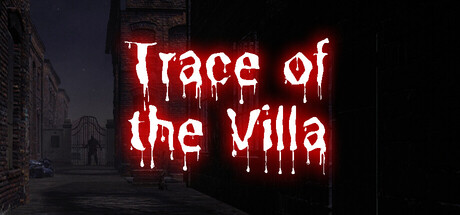
Trace of the Villa — how puzzles surface evidence without spoiling the mansion mystery
Trace of the Villa frames its investigation around slow, careful puzzle work: reading manifests, unlocking secured systems, and following object logic to assemble a timeline. The game leans on environmental storytelling and layered story puzzles to reveal evidence while keeping the central mysteries intact.

Who this is for
Players who enjoy atmospheric mystery adventure on PC — slow-burn suspense, clue-driven exploration, and puzzle mechanics that double as storytelling devices — should consider Trace of the Villa. If you prefer narrative puzzles that reward careful attention to documents, inventory logic, and environmental cues rather than twitch reflexes, this is aimed at you.
Developer and publisher: Steadyturtle Co., Ltd.
What the game is
Trace of the Villa is presented on Steam as an Action / Adventure / Indie title in a single-player format. Its premise centers on Jin, who has spent years searching for his missing sister. A lead brings him to a remote, decaying mansion where manifests and hints suggest his sister may still be alive somewhere at the end of the trail he is about to follow.
The official description highlights investigation elements: restoring power to the estate unlocks secured systems, hidden compartments, safes with fragments of encrypted documents, and suspicious transfer records. The mansion’s rooms appear to have been frozen in use, with identities and recent records deliberately reduced or erased — set dressing that the game uses to make every solved puzzle feel like an evidentiary find.
When and where it’s available
Trace of the Villa released on 28 May, 2026 and is available on Steam for PC. The Steam app ID is 3483660; you can find its store page directly on Steam.
Why this approach to puzzles matters
Puzzle mechanics that double as investigative tools change the rhythm of exploration. Rather than rewarding brute-force solutions or isolated mini-games, Trace of the Villa appears designed so each puzzle serves as a piece of evidence: a manifest that narrows a timeline, a locked system that restores a perspective, a safe that yields a fragment of identity. That design keeps players engaged with both the immediate puzzle and the larger story without hand-holding or explicit spoilers.
How clue reading, object logic, and story puzzles shape progression
Based on the Steam narrative and the official short description, progression hinges on three intertwined mechanics:
- Clue reading: Documents and manifests are treated as actionable items. Reading them changes what you look for next, and discovering inconsistencies in records becomes a gameplay loop.
- Object logic: Inventory and environment interactions follow a logic where objects unlock new contextual information rather than merely opening doors. The game foregrounds what an item implies about occupancy and movement, not just its utility.
- Story puzzles: Puzzles are narrative gates: restoring power, decrypting fragments, and following transfer records all reveal ordered layers of the story rather than blunt answers. Solving puzzles reveals evidence; the evidence refocuses your investigation without collapsing the mystery into a single spoiler.


Compact facts — Trace of the Villa
| Title | Trace of the Villa |
|---|---|
| Release date | 28 May, 2026 |
| Developer / Publisher | Steadyturtle Co., Ltd. |
| Steam App ID | 3483660 |
| Genres | Action, Adventure, Indie |
| Categories | Single-player, Color Alternatives, Custom Volume Controls, Playable without Timed Input, Subtitle Options, Family Sharing |
| Short premise | Jin searches a decaying mansion where manifests and hints indicate his missing sister may still be alive. |
Comparison: where Trace of the Villa sits among puzzle-adventure peers
Below is an editorial comparison on lawful discovery criteria — puzzle focus, atmosphere, exploration style, and what kind of player each title fits. These comparisons are intended to help you decide if Trace of the Villa matches your tastes.
| Title | Puzzle focus | Atmosphere & tone | Exploration style | Best for players who… |
|---|---|---|---|---|
| Trace of the Villa | Clue reading, document fragments, locked systems and inventory-based object logic | Mansion mystery, slow-burn suspense, psychological investigation | Methodical room-by-room investigation; environmental storytelling | Prefer narrative puzzles tied to evidence and timeline reconstruction |
| The Room | Mechanical puzzle boxes and tactile object manipulation | Mysterious, intimate, gothic puzzle-horror | Focus on isolated puzzle chambers with a single-object concentration | Enjoy tactile, puzzle-box design and escalating mechanical complexity |
| Unpacking | Everyday object-placement as puzzle; indirect storytelling | Zen, domestic, quietly narrative | Block-fitting and environmental arrangement that reveals a life story | Prefer relaxed, slice-of-life puzzles where narrative emerges from objects |
| Escape Simulator | Highly interactive escape-room puzzles; physics and item use | Varies by room — from playful to tense | Room-based, high interactivity, supports solo or co-op | Like hands-on manipulation, multiple ways to solve puzzles, and community-made rooms |
Editorial note: these comparisons focus on design and player fit rather than claims of superiority.
Player scenarios — would you wishlist it?
- If you chase evidence, not exposition: You enjoy gathering fragmented documents and letting them reframe your investigation. Trace of the Villa positions puzzles as sources of evidence rather than just obstacles.
- If you want atmospheric pacing: Prefer slow discovers and a sense of creeping unease over constant jump-scares or fast action — the mansion’s staging and restored systems are used to reveal layers gradually.
- If you like object-driven logic: Players who appreciate inventory interactions and puzzles that change how you interpret environments will find this structure rewarding.
If those scenarios match your tastes, add Trace of the Villa to your Steam wishlist; the game’s design emphasizes reading the scene and assembling a timeline from in-world clues.
Trailer & YouTube discovery
If you want to see gameplay or trailers, use this YouTube search path (search results may include trailers, gameplay clips, or creator impressions; not every result is an official video):
Leave a Reply