Trace of the Villa — an inspection-heavy mansion mystery for clue-driven players
Trace of the Villa (Steadyturtle Co., Ltd.) is an atmospheric mystery adventure about a lone investigator restoring power to a deliberately erased mansion to follow a trail that might lead to his missing sister. The game leans into object logic, chained clues, and environmental reading rather than twitch action, asking players to treat rooms like evidence boards and items like testimony.

What Trace of the Villa is
Trace of the Villa is a Steam PC title listed under Action, Adventure, and Indie. Its premise is literal and investigative: Jin has tracked a lead to a remote, decaying mansion where manifests and hints suggest his missing sister may still be alive. According to the official Steam description, restoring power to the estate makes secured systems come back online, hidden compartments unlock, and safes yield fragments of encrypted documents and suspicious transfer records — puzzle outcomes that progressively reveal a wider, carefully concealed operation.
Who this is for
- Players who prefer inspection-heavy play and time spent reading environments over rapid reflexes.
- Fans of locked-room thinking: piecing together clues across rooms to form chains of evidence.
- People who enjoy slow-burn suspense, mansion mystery atmosphere, and story-rich adventure that rewards patience and attention to detail.
- Those who like single-player, narrative-led puzzle experiences with subtitle options and accessibility features such as custom volume and color alternatives.
When and where
Trace of the Villa released on Steam on 28 May, 2026. It is available as a PC title on Steam; the store listing identifies Steadyturtle Co., Ltd. as both developer and publisher.
Why the theme matters — what the mansion does for the design
The mansion setting here isn’t just aesthetic. The Steam description frames rooms as interrupted routines — furnished but “erased,” with identities removed — which primes players for puzzles that are investigative rather than abstract. When a game’s environment is explicitly built as a site of concealment (locked doors, hidden compartments, falsified records), puzzles naturally become exercises in reading context and tracing cause-and-effect: what object belongs to which occupant, which system activation unlocks the next clue, and where financial or identity traces converge.
How you progress: object logic, environmental puzzles, and clue chains
Trace of the Villa’s official text makes clear the progression model: restore systems, open secured areas, and decode fragments recovered from safes and manifests. That implies a layered, chain-driven puzzle loop rather than isolated brainteasers — a discovery in one room often supplies the key to a locked fixture in another. Expect mechanics that reward inspection (examining items, toggling power, interpreting documents) and chained problem-solving where the output of one puzzle becomes the input for the next.

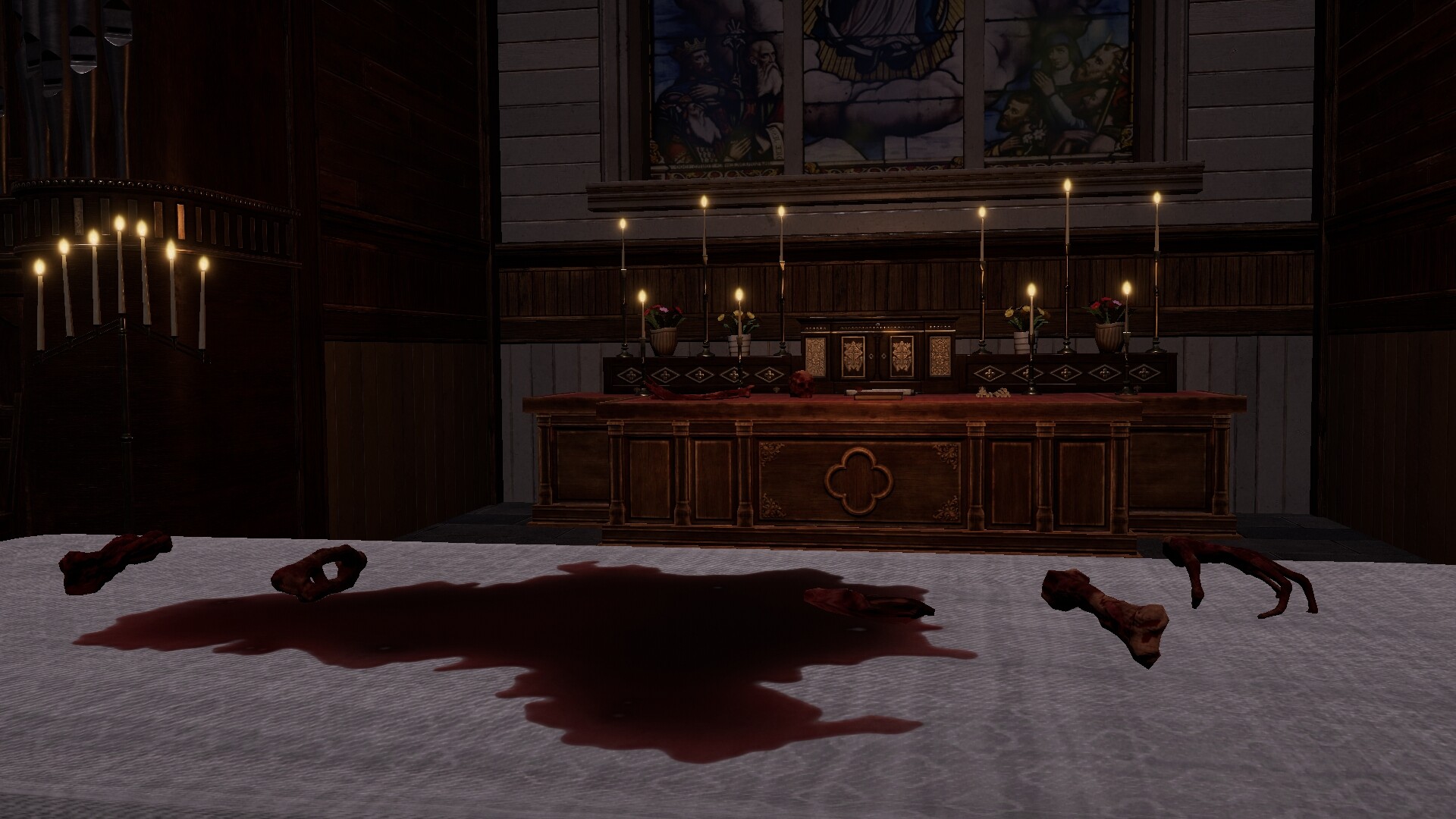
Compact facts — Trace of the Villa
| Title | Trace of the Villa |
|---|---|
| Steam AppID | 3483660 |
| Release date | 28 May, 2026 |
| Developer / Publisher | Steadyturtle Co., Ltd. |
| Genres | Action, Adventure, Indie |
| Key categories | Single-player; Color Alternatives; Custom Volume Controls; Playable without Timed Input; Subtitle Options; Family Sharing |
| Short premise | Jin investigates a decaying, deliberately forgotten mansion and uncovers manifests and hints that his missing sister may still be alive. |
Comparison: how Trace of the Villa sits beside nearby mystery/puzzle games
Below are compact editorial comparisons — focusing on atmosphere, puzzle focus, exploration style, story tone, and pacing. These are discovery-oriented contrasts, not claims of superiority.
| Game | Atmosphere & Tone | Puzzle focus | Exploration / Playstyle |
|---|---|---|---|
| The Room | Isolated, tactile, uncanny (attic/locked chamber) | Mechanical, object-inspection puzzles built around a single, central puzzle device | Single-player, focused on close examination of a single puzzle object and its mechanisms |
| The Room Two | Crypt-like, atmospheric continuation of tactile puzzle tone | Layered mechanical puzzles with a sequence of linked artifacts | Single-player, puzzle vignettes that gradually expand the mystery |
| Escape Simulator | Variable — from playful to tense depending on room | Highly interactive physics and object interaction, often sandbox-y | Solo or co-op, emphasis on interacting with everything and creative solutions |
| Trace of the Villa | Mansion mystery, slow-burn suspense, investigative | Inspection-heavy, chained environmental puzzles; document- and system-driven reveals | Single-player, room-to-room evidence reading, reconstructing a concealed operation |
Player scenarios — who should wishlist or skip
- If you enjoy methodical, clue-linking investigations (treating a house as a forensic puzzle), wishlist this: Trace of the Villa emphasizes reading the environment and following evidence chains.
- If you prefer fast-paced action or physics-driven chaos with co-op options, this is likely not the best fit; Trace of the Villa is single-player and built around narrative puzzle progression.
- If you like story tone grounded in psychological investigation and financial/identity mysteries (safes, manifests, encrypted fragments), this will align with that interest.
- If you enjoy tactile item puzzles like The Room but want broader environmental tracing across rooms and systems, Trace of the Villa sits between focused object puzzles and full environmental investigation.
YouTube discovery
For trailers and gameplay clips, search YouTube: Trace of the Villa — trailer/gameplay search. (This link leads to public search results; it is provided as a discovery path rather than a verified single official video.)
View Trace of the Villa on Steam
Notes and disclaimer
The article used official Steam store data for Trace of the Villa (title, release date, developer/publisher, short description, categories and genre). Descriptive comparisons reference other games for editorial discovery only and focus on atmosphere, puzzle focus, and playstyle. Referenced titles and trademarks belong to their respective owners; comparisons are lawful editorial discovery only.
Leave a Reply