
Trace of the Villa — a locked‑room, clue‑chain mystery built around power, space, and evidence
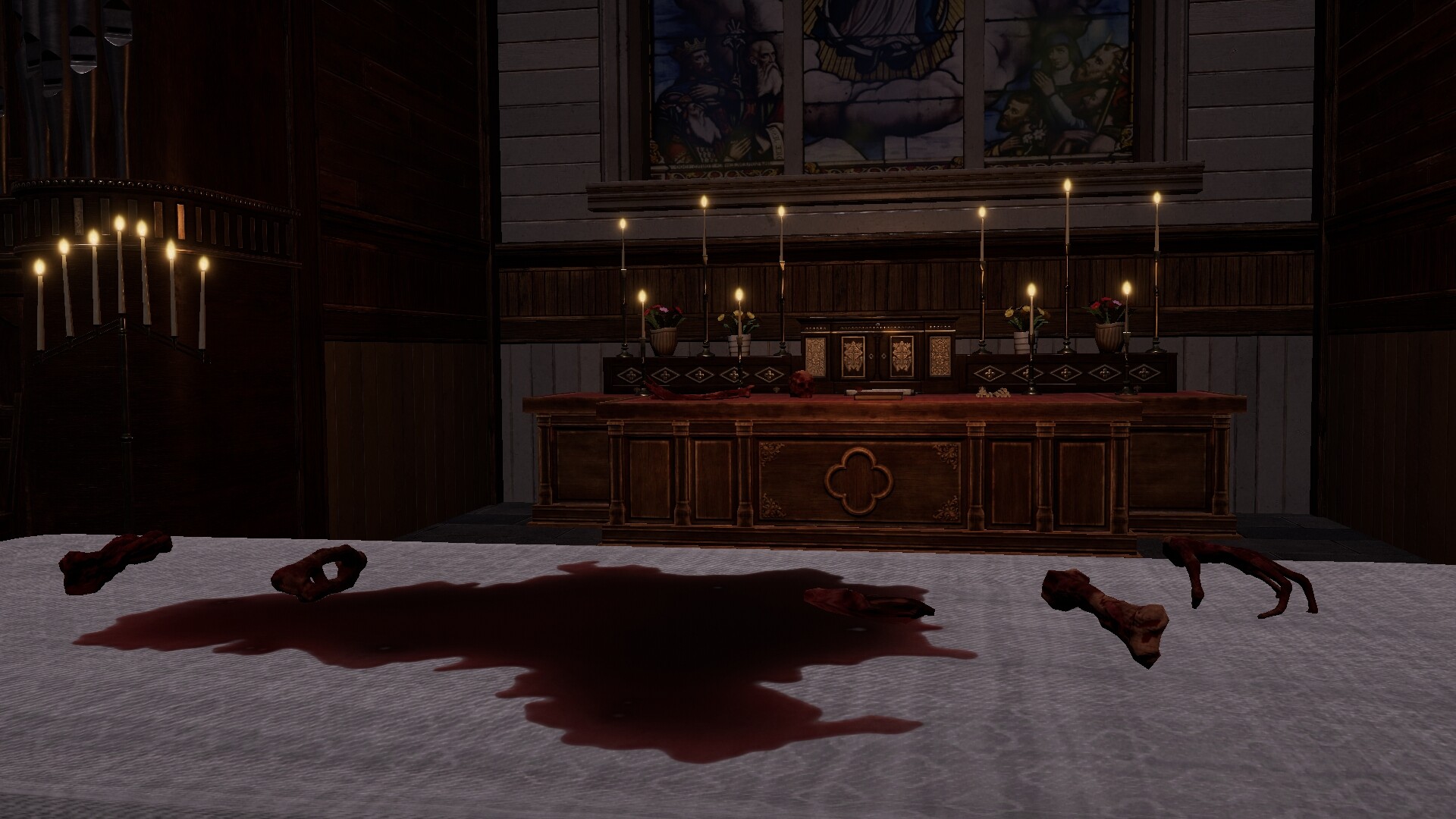
Trace of the Villa places you in Jin’s shoes: a personal, slow‑burn investigation through a decaying mansion where restoring power literally rewrites the playable space. The core loop is as mechanical as it is investigative — bring systems back online, watch doors and safes yield new information, and stitch together manifests and encrypted fragments into a coherent trail.

What Trace of the Villa is
Developed and published by Steadyturtle Co., Ltd., Trace of the Villa is an Action/Adventure/Indie title on Steam that positions exploration and environmental reading at the heart of its mystery. The official short description frames the premise plainly: “Jin has spent years searching for his missing sister, pursuing leads that took him to a remote, decaying mansion where he recovered manifests and hints that indicate his sister may still be alive, somewhere at the end of the trail he is about to follow.” The longer Steam description emphasizes a gameplay rhythm where restoring power causes secured systems to come back online, hidden compartments to unlock, and safes to yield fragments of encrypted documents and suspicious transfer records.
Who this game is for
- Players who enjoy locked‑room thinking and clue‑chain logic — puzzles that depend on reading the environment rather than twitch skill.
- Fans of atmospheric mystery adventure and slow‑burn suspense who prefer piecing timelines together from artifacts, manifests, and redacted records.
- Anyone who likes exploration paired with investigative progression: restoring infrastructure (power, systems) as a gating and narrative device.
When and where
Trace of the Villa released on Steam on 28 May, 2026. It is listed on the Steam store as a single‑player title with accessibility options such as color alternatives, custom volume controls, subtitle options, and the ability to be played without timed input.
Why the power‑and‑unlock loop matters
The game’s conceit — that restoring power alters what the player can access and what the mansion reveals — makes clue discovery procedural and spatial. Rather than a static checklist of puzzles, Trace of the Villa treats the estate like a layered archive: reinstate electricity or systems, and mechanical as well as informational locks reactivate. That design ties mechanical progression (flip breakers, repair generators, reactivate terminals) to narrative discovery (encrypted documents, manifests, falsified identities), so each solved obstacle both widens the playable space and adds new strands to the evidence chain.
How you read clues and make progress
The Steam description outlines the specific flows you should expect: secured systems come back online when power is restored; hidden compartments and locked safes begin to yield fragments; those fragments include encrypted documents and suspicious transfer records that suggest people passed through the mansion under strict control. Progression therefore alternates between physical tasks (restore, unlock, access) and interpretive work (decode, correlate, reconstruct timelines), with each reveal pointing to the next area or system to reactivate.

Practical player scenarios
1) The Methodical Investigator
You map rooms, log which circuits feed which zones, and treat each powered terminal as a new evidence hub. For you, the reward is assembling transfer records and encrypted fragments into a timeline; pacing is deliberate and deliberate reveals are satisfying.
2) The Environmental Reader
You scan wallpapers, furniture arrangements, and abandoned personal effects for implicit clues. The moment a breaker flips and a previously dark hallway lights up, you’re reading for context as much as for explicit puzzle elements — who occupied this space, and what was removed from it?
3) The Puzzle Completionist
You chase every locked safe and compartment. The play loop of restoring power to unlock new areas aligns with your habit of clearing rooms systematically; each new mechanism is another puzzle to master, and the encrypted fragments are checkpoints in your completion log.
Quick facts
| Title | Trace of the Villa |
|---|---|
| Steam AppID | 3483660 |
| Release date | 28 May, 2026 |
| Developer | Steadyturtle Co., Ltd. |
| Publisher | Steadyturtle Co., Ltd. |
| Genres | Action, Adventure, Indie |
| Categories on Steam | Single-player; Color Alternatives; Custom Volume Controls; Playable without Timed Input; Subtitle Options; Family Sharing |
| Official short description | Jin has spent years searching for his missing sister, pursuing leads that took him to a remote, decaying mansion where he recovered manifests and hints that indicate his sister may still be alive, somewhere at the end of the trail he is about to follow. |
| Steam reviews (public) | No user reviews |
How it compares — short editorial table
| Title | Core puzzle loop | Atmosphere / tone | Exploration style | Player fit |
|---|---|---|---|---|
| The Room (2014) | Single‑room safe and mechanical puzzles | Mysterious, tactile, intimate | Focused vignette spaces with layered devices | Players who love tactile, self‑contained puzzle boxes |
| The Room Two (2016) | Sequence of puzzle‑rooms across a traveling mystery | Cryptic, atmospheric, progressively strange | Series of set‑piece rooms linked by narrative | Players who enjoy a structured,
Steam pageView Trace of the Villa on Steam YouTube discoveryFor trailer and gameplay discovery, use YouTube search rather than relying on unverified embeds: Find Trace of the Villa trailer and gameplay searches on YouTube. CommentsMore posts |
Leave a Reply