
Trace of the Villa: why quiet tension and uncertainty trump cheap shocks
Trace of the Villa (Steadyturtle Co., Ltd.) invites players into a decaying mansion to follow Jin’s search for his missing sister — a slow, clue-driven investigation that trades jump scares for sustained unease. Released on 28 May, 2026 for PC on Steam, the game leans into atmospheric mystery adventure and environmental storytelling rather than headline-grabbing shocks.

Who, what, when, where, why, how
Who is this for?
This is for PC players who prefer slow-burn psychological investigation over action-first horror: those who enjoy layered environmental storytelling, methodical puzzle solving, and lingering uncertainty. If you value atmosphere, narrative puzzles, and a protagonist-driven mystery (Jin’s search for his sister), Trace of the Villa fits that appetite.
What is the game?
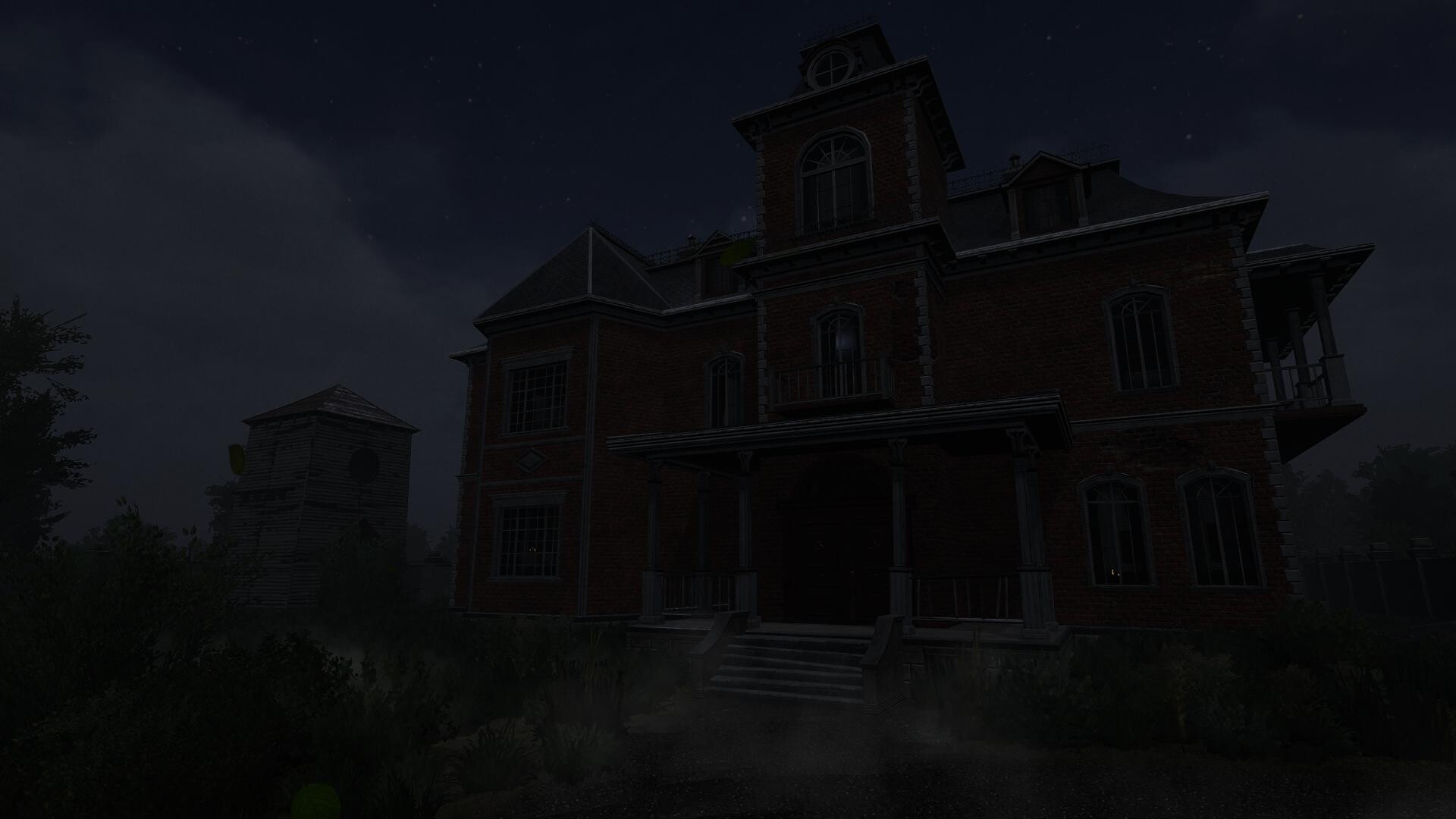
Trace of the Villa is an atmospheric mystery adventure from Steadyturtle Co., Ltd. The official short description frames the premise: Jin has spent years searching for his missing sister and follows leads to a remote, decaying mansion where manifests and hints suggest she may still be alive. The Steam description emphasises a property “cut off from the grid” whose rooms feel “less abandoned than erased,” and a narrative that emerges as systems and hidden compartments are restored.
When and where is it available?
Trace of the Villa launched on Steam on 28 May, 2026. The Steam product page lists the developer and publisher as Steadyturtle Co., Ltd., and the game’s Steam AppID is 3483660.
Why the quiet tension matters
Psychological horror that relies on uncertainty works by making players fill in blanks — not by startling them. Trace of the Villa’s angle (a mansion that appears deliberately anonymised, with falsified identities and encrypted fragments) creates persistent cognitive dissonance: every recovered document, restored circuit, and unlocked safe tightens the narrative noose without an obvious release. That ongoing ambiguity — what’s missing, why names are erased, who controlled movements through the estate — sustains dread in a way that a single shock cannot.
How you progress
Progression is clue-driven: restore power, access secured systems, and solve puzzles to open hidden compartments and safes. Each solved puzzle reveals fragments of encrypted documents or transfer records that point to a wider operation. The Steam description makes clear the game emphasises restoration of systems and piecing together timelines as the route to narrative discovery rather than combat-heavy encounters.
Official images

Quick facts
| Title | Trace of the Villa |
|---|---|
| Release date | 28 May, 2026 |
| Developer / Publisher | Steadyturtle Co., Ltd. |
| Steam AppID | 3483660 |
| Genres | Action, Adventure, Indie |
| Categories | Single-player; Color Alternatives; Custom Volume Controls; Playable without Timed Input; Subtitle Options; Family Sharing |
| Premise | Jin searches a decaying, isolated mansion for leads suggesting his missing sister may still be alive. |
Who should wishlist it (specific player scenarios)
- The methodical detective: You enjoy piecing together timelines from documents and audio logs, and prefer puzzles that connect to narrative reveals.
- The atmosphere-first player: You prefer unsettling spaces and slow-building dread to constant combat or repeated jump scares.
- The exploration-minded: You like searching every drawer, restoring power, and unlocking systems to reconstruct a vanished history.
- The cautious co-op avoider: If you want a single-player story that trusts the player to notice small details, the mansion’s “erased” evidence will reward patience.
How Trace of the Villa compares — editorial discovery table
| Title | Genre / Focus | Atmosphere / Tone | Puzzle / Exploration | Pacing / Player Fit |
|---|---|---|---|---|
| Trace of the Villa | Action, Adventure, Indie — narrative mystery | Slow-burn, claustrophobic mansion mystery; erased identities | Clue-driven: restore systems, unlock safes, decrypt fragments | Measured pacing for players who favour investigation and environmental storytelling |
| Amnesia: The Dark Descent | Action, Adventure, Indie | Immersive survival dread with psychological horror emphasis | Exploration and immersion; sanity mechanics and scripted events | Intense immersion with more overt survival mechanics; suits players seeking constant pressure |
| SOMA | Action, Adventure, Indie | Existential, claustrophobic sci‑fi beneath the waves | Exploration and narrative puzzles that provoke philosophical questions | Deliberate pacing with thematic depth; for players who want story and atmosphere together |
| Layers of Fear (2016) | Adventure, Indie | Psychological, surreal mansion horror focused on art and madness | Environmental puzzles and shifting architecture tied to story | Fragmented, evolving house design; players who like surreal, story-led scares |
| Poppy Playtime | Action, Adventure, Indie | Playful-yet-creepy toy factory atmosphere | Puzzle mechanics tied to unique tools (e.g., GrabPack); more scripted encounters | Faster beats and set-piece puzzles; suits players who like puzzle tools and intermittent scares |
Discovery and trailer
If you want to see trailers or gameplay clips, use YouTube search for Trace of the Villa: YouTube: search for Trace of the Villa trailer & gameplay. This search link is offered as a discovery path; it is not a claim that any specific video is official unless verified on the Steam page.
Deciding checklist
- Do you prefer atmosphere and investigation over fight-or-flight gameplay? If yes, this is likely a fit.
- Do you enjoy piecing narrative from documents, restored systems, and environmental cues? Then wishlist it.
- If you want constant adrenaline or multiplayer, note Trace of the Villa is a single-player, story-focused experience.
View Trace of the Villa on Steam
Legal and editorial notes
Referenced titles and trademarks belong to their respective owners. Comparisons above are editorial discovery only and do not imply endorsement or official connection.
Leave a Reply