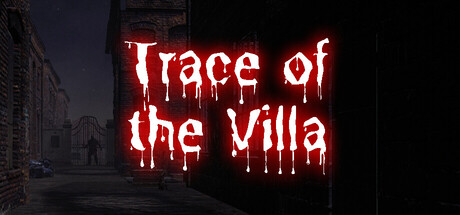
Trace of the Villa — a slow-burn mansion mystery built on a missing-person trail
Trace of the Villa puts a single, urgent premise at the centre of its atmosphere: Jin has been chasing leads for years to find his missing sister, and a derelict mansion holds ruins of a deliberately erased history. The game promises clue-driven exploration and puzzle-led revelations as power is restored and locked systems begin to yield manifests, encrypted documents, and hints that the trail might not be cold after all.

Quick facts
| Title | Trace of the Villa |
|---|---|
| Steam AppID | 3483660 |
| Release date | 28 May, 2026 |
| Developer / Publisher | Steadyturtle Co., Ltd. |
| Genres | Action, Adventure, Indie |
| Key Steam categories | Single-player; Color Alternatives; Custom Volume Controls; Playable without Timed Input; Subtitle Options; Family Sharing |
| Steam store | Open Trace of the Villa on Steam |
| Steam user reviews | No user reviews on Steam at time of writing |
Who this is for
If you prefer story-first mystery with personal stakes — a protagonist driven by a missing-person search rather than spectacle — Trace of the Villa will likely fit your taste. Players who enjoy environmental storytelling, slow-burn suspense, and investigative pacing (rather than twitch reflex or timed reaction challenges) should consider wishlisting; the Steam listing also highlights accessibility options such as subtitle support, color alternatives, and custom audio controls that suit a patient, detail-oriented experience.
What the game is — narrative and tone
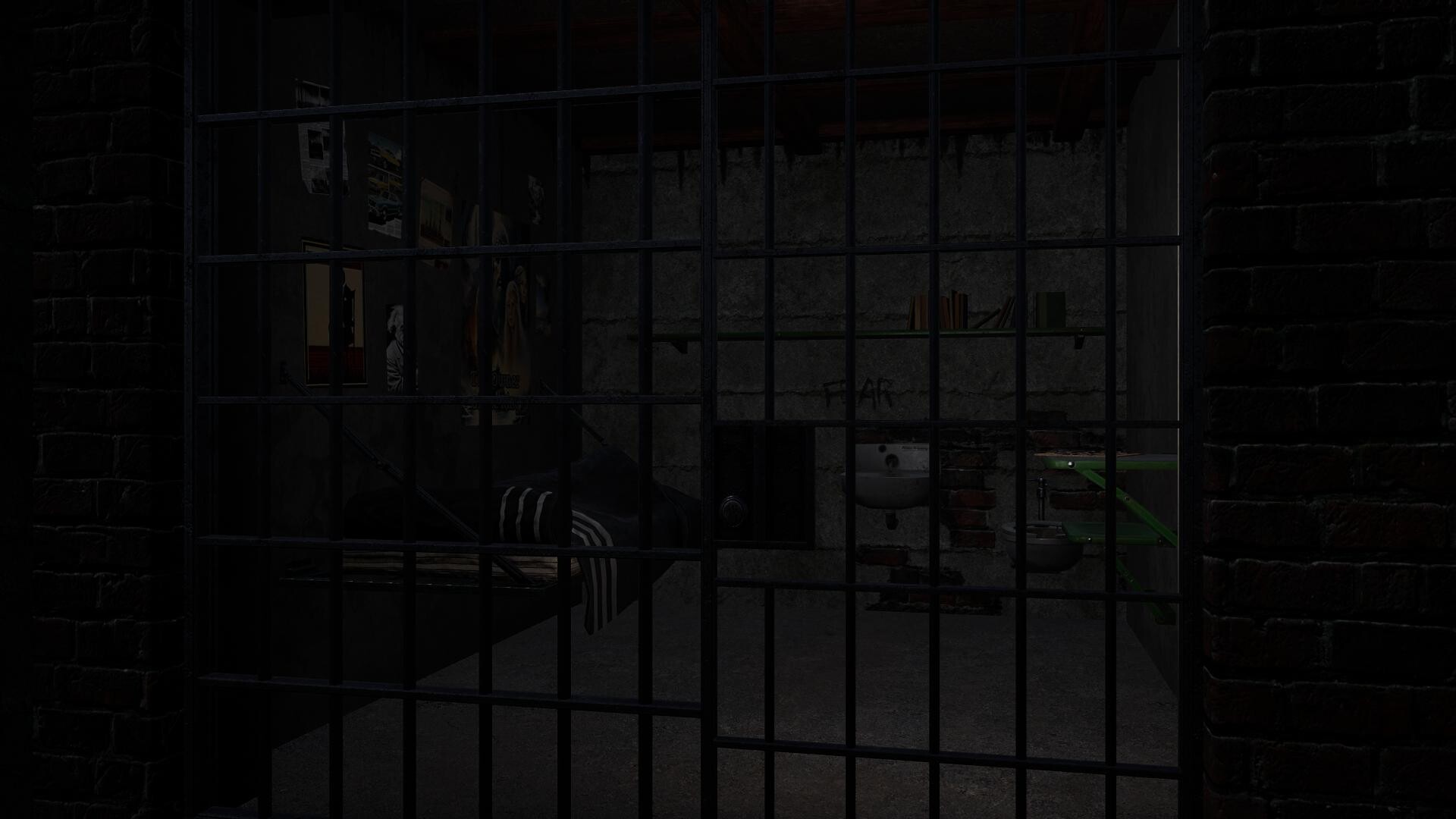
Officially framed on Steam: “Jin has spent years searching for his missing sister, pursuing leads that took him to a remote, decaying mansion where he recovered manifests and hints that indicate his sister may still be alive, somewhere at the end of the trail he is about to follow.” The longer description expands on that premise: the mansion feels “less abandoned than erased,” with furnished rooms, locked doors, missing photographs and names, and a sense that identities were deliberately stripped away. When Jin restores power, secured systems come back online and the estate begins to disclose suppressed records — encrypted documents, suspicious transfer records, and fragments pointing to a larger operation.

When and where
Trace of the Villa released on Steam on 28 May, 2026 and is listed as an Action / Adventure / Indie title developed and published by Steadyturtle Co., Ltd. The Steam page lists standard PC accessibility options such as subtitle support and “playable without timed input,” which aligns with investigative, puzzle-forward pacing.
Why the missing-person stakes matter here
Missing-person stakes change how an investigation feels. Instead of an abstract “solve this mansion” hook, Jin’s search for his sister turns every fragment of inventory, transfer record, and encrypted file into potential personal proof. The Steam description stresses erased identities and falsified records; that framing creates a psychological investigation where players read absence as much as presence. If you respond to stories that make bureaucracy and paper-trails ominous — manifests, suspicious transfers, and falsified identities acting like footsteps through a conspiracy — that’s the tonal lane this title is occupying.
How you progress — reading clues and uncovering backstory
The official text describes a few concrete progression beats: restoring power to the estate reactivates secured systems, hidden compartments unlock, safes yield encrypted documents, and financial trails surface that lead nowhere. Puzzles appear to be embedded in environmental systems and secure storage rather than combat-forward encounters. Expect to proceed by examining rooms that feel “mid-routine,” locating documentary fragments (manifests, transfer records), decrypting or otherwise interpreting them, and using those revelations to open the next sealed area. The absence of timed input in the Steam categories suggests a reflective pace: methodical examination over rapid reflexes.
Player scenarios — who should wishlist this
- Investigative players who like following disjointed records and piecing identity-based mysteries together from paperwork and systems.
- Fans of atmospheric, slow-burn adventures that emphasize environmental storytelling and psychological tension over jump scares or action-heavy set pieces.
- Players who value accessibility and prefer games with subtitle support, color alternatives, and options that remove timed-response pressure.
Comparison: how Trace of the Villa sits next to similar story-led mysteries
| Title | Core similarity | Key differences (tone / player focus) | Who it fits |
|---|---|---|---|
| Inscryption | Unsettling, puzzle-driven revelations and layered meta-secrets. | Inscryption blends card mechanics, escape-room puzzles and psychological horror; its structure is more meta and mechanically bold than Trace’s manifesto- and evidence-led mansion investigation. | Players who want mechanical surprises and a heavier twist-driven tone. |
| Outer Wilds | Exploration-led discovery and environmental clues that knit a larger mystery. | Outer Wilds is open-world and puzzle-explorative on a cosmic scale and uses time-loop mechanics; Trace is a contained mansion investigation with personal, missing-person stakes. | Players who enjoy open-ended, systemic mysteries (if you want a tight, single-location narrative instead, Trace is the smaller-scale option). |
| Journey | Atmospheric, emotionally-driven exploration rather than action-first gameplay. | Journey leans on wordless, poetic traversal and multiplayer moments; Trace emphasises document clues, locked systems, and a named protagonist with a clear personal motive. | Players who prize tone and atmosphere — but want a more explicit investigative plot in Trace. |
| The Forgotten City | Narrative puzzle adventure where moral choices and timeline manipulation inform the mystery. | The Forgotten City uses time-loop and moral puzzle design in a historical setting; Trace commits to a contemporary, erased-identity conspiracy and forensic-style clue work. | Players who like narrative consequence and puzzle logic; choose Trace for forensic, paper-trail mystery. |
| The Medium | Psychological investigation with dual-reality atmosphere and personal trauma themes. | The Medium uses dual-reality gameplay and spirit-realm mechanics for horror and story; Trace appears focused on realistic, document-driven erasure and administrative secrecy rather than supernatural systems. | Players drawn to psychological tone — Trace offers grounded investigative tension instead of spiritual mechanics. |
YouTube discovery
Looking for trailers or gameplay clips? Search for Trace of the Villa trailers and gameplay on YouTube: YouTube search: Trace of the Villa trailer & gameplay. (Use this as a discovery path; the Steam listing is the authoritative store page.)
Ready to check it out on Steam? Visit the Trace of the Villa store page: https://store.steampowered.com/app/3483660/Trace_of_the_Villa/
Leave a Reply