
Trace of the Villa — an inspection-heavy mansion mystery for players who prefer object logic over action setpieces
Trace of the Villa drops you into a cut-off, decaying mansion where Jin follows fragmented manifests and encrypted records in the hope his missing sister might still be alive. If you favour slow-burn, clue-driven exploration that rewards careful reading of rooms, objects and systems, this Steam release deserves a close look.

| Title | Trace of the Villa |
| Developer / Publisher | Steadyturtle Co., Ltd. |
| Release date | 28 May, 2026 (Steam) |
| Genres | Action, Adventure, Indie |
| Categories / Keys | Single-player; Color Alternatives; Custom Volume Controls; Playable without Timed Input; Subtitle Options; Family Sharing |
| Steam AppID | 3483660 |
Who this is for
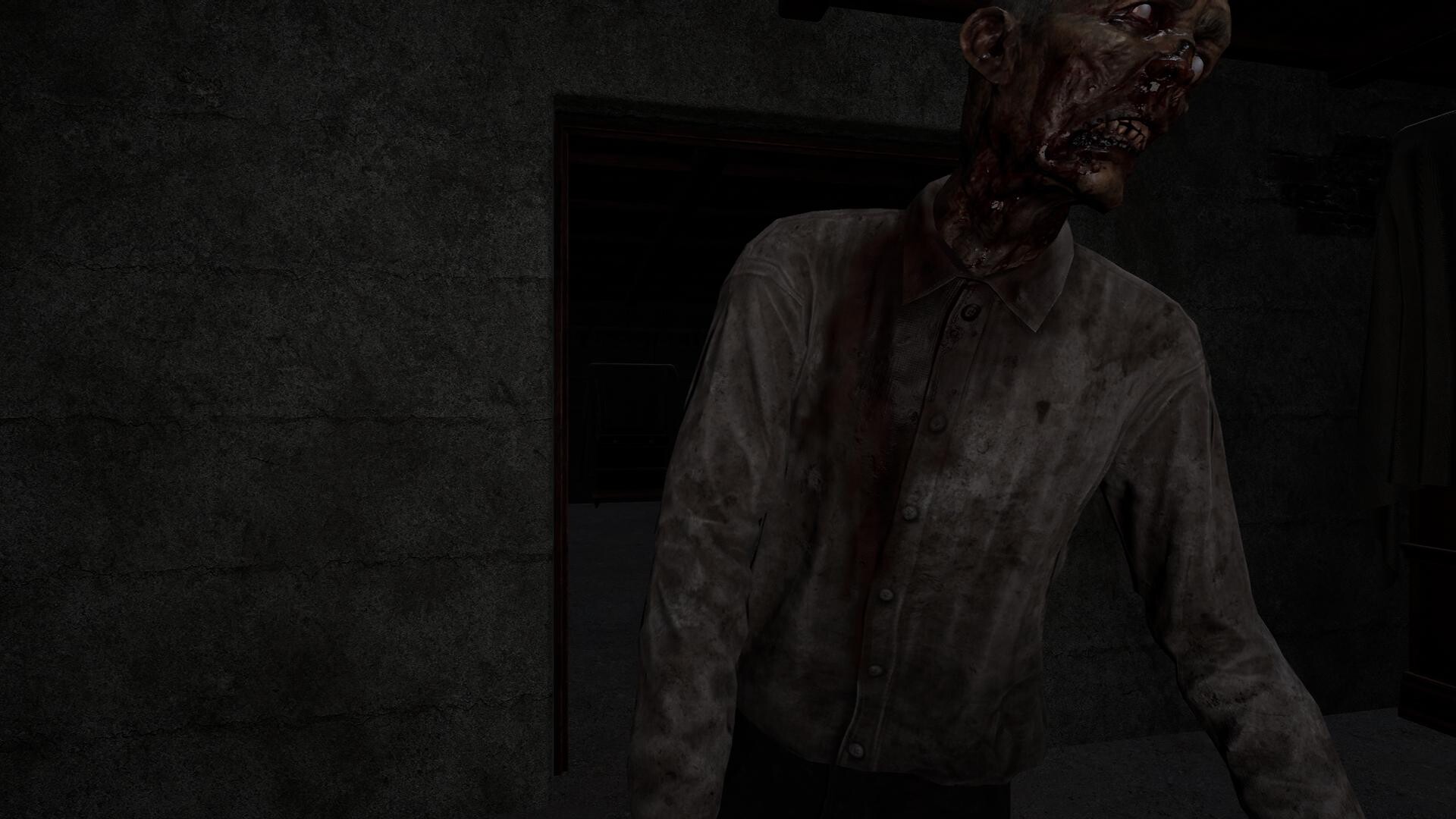
Trace of the Villa fits players who enjoy environmental storytelling and inspection-heavy play: people who slow down, examine cabinets and safes, piece together timelines from documents, and treat a mansion like a stacked logic puzzle. If you’re looking for reflex tests or fast combat you should adjust your expectations — the game markets itself around investigation and discovery rather than action spectacle.
What the game actually is
Official Steam copy frames the premise plainly: Jin has been searching for his missing sister for years and follows a lead to a deliberately forgotten mansion where power restoration and careful inspection unlock manifests, encrypted documents and hidden compartments. The description emphasizes that rooms feel “less abandoned than erased,” and that restoring systems reveals layers of a concealed operation — falsified identities, suspicious transfer records, and movements masked behind fals.
When and where
Trace of the Villa released on Steam on 28 May, 2026. The game appears on PC via its Steam store page (AppID 3483660) and carries the accessibility and settings keys listed above, including subtitles and a “playable without timed input” tag that suits slower, methodical players.
Why the mansion + locked-room framing matters
Locked-room thinking and clue chains are not just stylistic here — they are the core mechanical vocabulary. The mansion acts as a constrained vocabulary of objects and systems: appliances, safes, sealed rooms and archived manifests form a network of dependencies. That design lets the player practice a kind of forensic logic where a single discovered ledgersheet or restored circuit can ripple through several puzzles. For players who appreciate environmental puzzles, that structure supports emergent deductions rather than purely pattern-matching minigames.
How you progress: object logic, environmental puzzles and inspection-heavy play
Per the official description, progression pivots on two interlocking actions: restoring estate systems, and reading what the house refuses to say aloud. Restoring power brings systems online, hidden compartments unlock, and safes yield fragments of encrypted documents. That suggests a mix of inventory-light inspection (read every manifest, note wiring or date stamps) and contextual puzzle solving (use restored devices to change room states or reveal further clues). Expect long chains where one solved safe or re-enabled terminal produces a document that points to another locked door or an off-site lead.
Player scenarios — concrete situations and what to expect
- Slow investigative player: You like scouring every drawer and reading long manifests. Expect methodical pacing and document-driven puzzle arcs that reward note-taking and cross-referencing.
- Puzzle-first player: You want logic chains and environmental mechanics. The game’s locked doors, safes and systems should deliver layered puzzles that connect across rooms once power is restored.
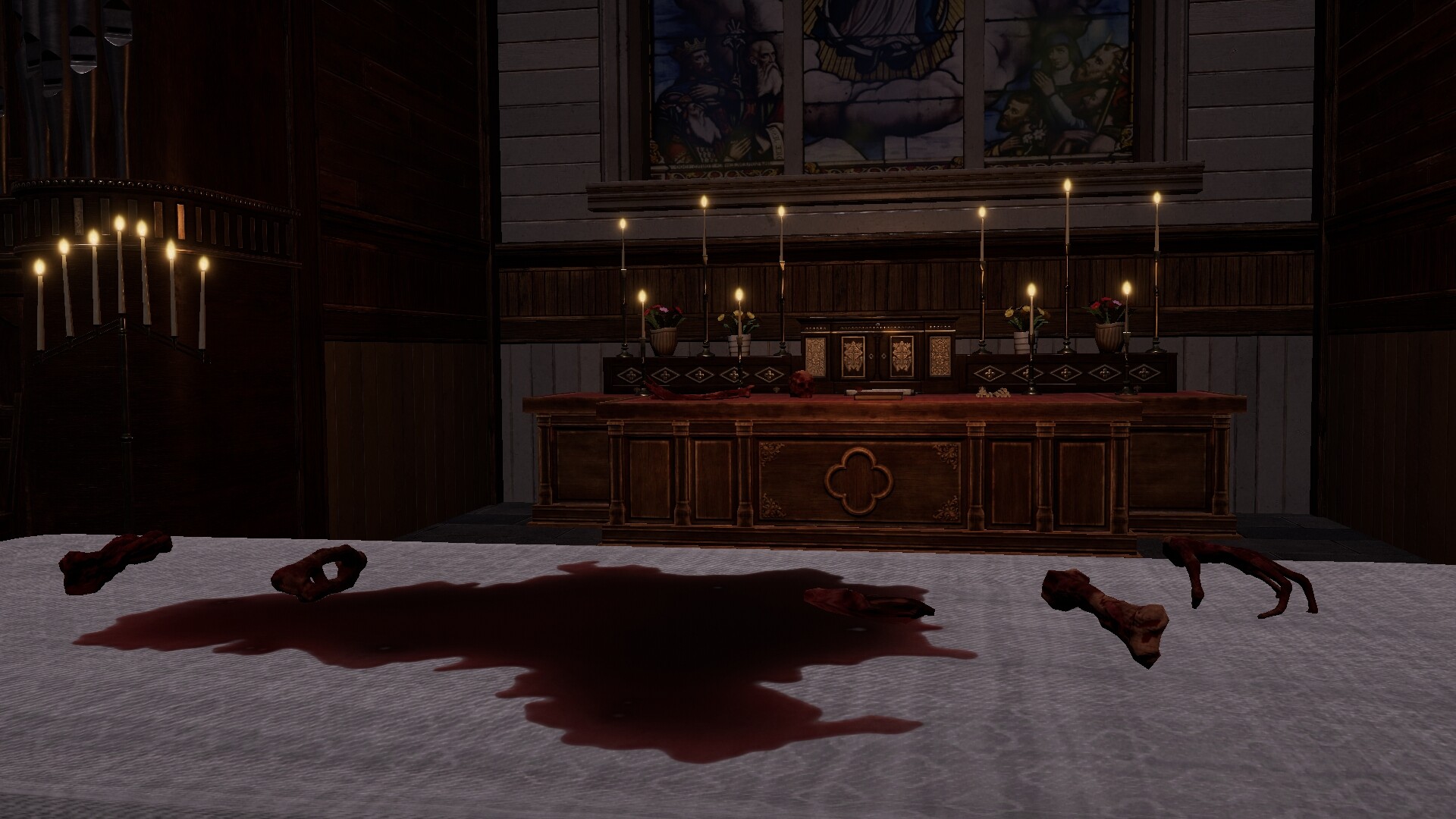
- Atmosphere-focused player: You care about tone and tension more than speed. The mansion’s feel — “less abandoned than erased” — and narrative breadcrumbs about falsified identities will be the primary draw.
- Casual, action-oriented player: If you prefer combat or high-tempo challenges, this may be a mismatch: the game’s categories and description place emphasis on exploration and investigation.
How Trace of the Villa compares to nearby puzzle / mystery games
| Title | Genre / Atmosphere | Puzzle focus | Exploration style | Player fit |
|---|---|---|---|---|
| Trace of the Villa | Action / Adventure; atmospheric mansion mystery | Inspection-heavy, document-led chains, system restoration | Slow, careful room-reading; chained reveals across the estate | Players who value environmental storytelling and layered clue chains |
| The Room | Adventure / Indie; locked-box, intimate atmosphere | Tactile, single-object mechanical puzzles (safe/box focused) | Individual cabinet/box interactions rather than estate-wide systems | Players who like focused mechanical puzzles and tactile problem solving |
| The Room Two | Adventure / Indie; cryptic, atmospheric exploration | Progressive mechanical puzzles with layered context | Guided progression through themed spaces, puzzle-to-puzzle flow | Players who enjoy a curated sequence of interlocking puzzles |
| Escape Simulator | Adventure / Simulation; highly interactive escape rooms | View Trace of the Villa on Steam
YouTube discoveryFor trailer and gameplay discovery, use YouTube search rather than relying on unverified embeds: Find Trace of the Villa trailer and gameplay searches on YouTube. CommentsMore posts |
Leave a Reply