
Trace of the Villa: a clue-first mansion mystery for players who prefer puzzles over explosions
Trace of the Villa positions you inside a decaying, off-grid mansion as Jin, a protagonist chasing leads about a missing sister. Its design prioritizes clue reading, object logic, and layered story puzzles — a slow-burn approach that rewards methodical players more than twitch reactions.
Who this is for
This is for players who gravitate toward atmospheric mystery adventure and narrative puzzle design: folks who enjoy reconstructing timelines from found documents, unlocking sealed compartments by following logic, and letting environmental storytelling carry emotional weight. If you prefer action-heavy pacing or reflex tests, Trace of the Villa’s clue-driven approach will feel intentionally measured.
What the game is
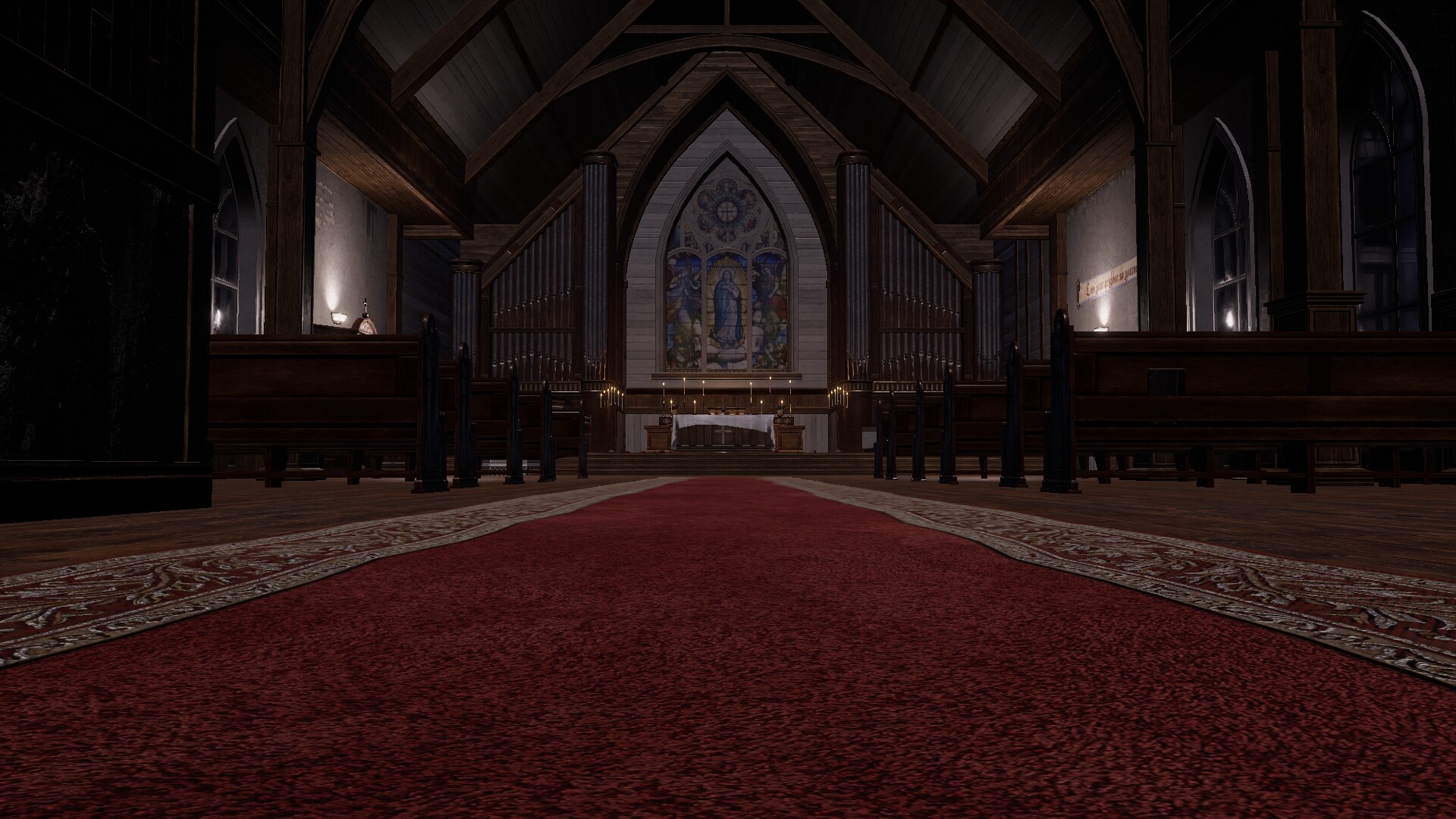
Trace of the Villa (developer/publisher: Steadyturtle Co., Ltd.) places Jin in a remote, deliberately forgotten mansion after recovering manifests and hints that his missing sister may still be alive. The mansion’s abandoned-but-preserved spaces hide encrypted documents, safes, and secured systems — pieces of a larger, obscured operation that the player teases apart by reading notes, restoring power, and following financial trails implied by discovered records.

When and where — Steam details
Trace of the Villa released on 28 May, 2026 and is available on Steam for PC. The Steam store page lists the game under the genres Action, Adventure, and Indie and includes accessibility and options like Color Alternatives, Custom Volume Controls, Playable without Timed Input, Subtitle Options, and Family Sharing.
Why the theme matters
The mansion-as-records-archive premise shifts emphasis from combat or chase sequences to detective work: restoring power returns locked systems to life, safes yield fragments of encrypted documents, and manifests point toward falsified identities and suspicious transfer records. That focus creates a psychological investigation where meaning is cumulative — every clue recontextualizes earlier discoveries.
How you progress — the puzzle mechanics and reading clues
Progress is built around three complementary puzzle pillars:
- Clue reading: Manifests, hints, and encrypted fragments function as connective tissue. Careful note-taking and cross-referencing matter because the story’s threads are revealed incrementally.
- Object logic: Physical interactions — turning power back on, opening hidden compartments, and handling safes — are the practical gates. These require observation and inference more than speed.
- Story puzzles: Financial trails, identity gaps, and suspicious transfers form narrative puzzles: when you assemble the pieces, the plot implications shift how you interpret spaces and items already examined.

Quick facts
| Title | Trace of the Villa |
|---|---|
| Steam AppID | 3483660 |
| Release date | 28 May, 2026 |
| Developer | Steadyturtle Co., Ltd. |
| Publisher | Steadyturtle Co., Ltd. |
| Genres | Action, Adventure, Indie |
| Key categories | Single-player; Color Alternatives; Custom Volume Controls; Playable without Timed Input; Subtitle Options; Family Sharing |
How Trace of the Villa compares to nearby puzzle-adventure experiences
Below is a targeted editorial comparison on puzzle focus, exploration, tone, and pacing — intended to help you decide fit, not rank games.
| Title | Core puzzle focus | Exploration style | Story tone | Pacing | Best for |
|---|---|---|---|---|---|
| Trace of the Villa | Clue reading, document fragments, object logic (power systems, safes) | Single large mansion; methodical room-to-room reconstruction | Atmospheric, investigatory, quietly unsettling | Slow-burn; narrative unfolds through discoveries | Players who want narrative puzzle design and environmental storytelling |
| The Room | Mechanical, tactile puzzles centered on a single device (cast-iron safe) | Focused, contained locations (a single mysterious room) | Mysterious, artifact-driven | Measured puzzles with escalating complexity | Players who like intricate physical puzzles and tactile unlocking |
| The Room Two | Sequential mechanical puzzles across multiple scenes | Multiple evocative locations linked by a puzzle thread | Cryptic and atmospheric | Steady escalation; still puzzle-first | Fans of puzzle chains and designed puzzle rooms |
| Escape Simulator | Highly interactive, physics-enabled escape-room puzzles | Modular rooms; sandbox interaction and player creativity | Playful to tense depending on room | Active, tactile, often faster-paced | Players who like hands-on interaction and co-op or community rooms |
| Unpacking | Spatial, block-fitting and contextual clue reading about life events | Series of domestic spaces revealing a life story | Zen, reflective, domestic | Calm, episodic, vignette-like | Players who enjoy quiet narrative through object placement and context |
Player scenarios — will it fit your playstyle?
- If you like reading everything and making notes: You’ll likely appreciate how manifests and encrypted fragments reframe earlier rooms. Patience is rewarded.
- If you prefer environmental storytelling over explicit dialogue: The mansion’s preserved spaces and missing identities deliver story through objects and systems rather than constant exposition.
- If you need fast-paced action or frequent combat: This isn’t focused on that; its pacing and categories (Playable without Timed Input) point toward thoughtful play.
- If you enjoy piecing together conspiracies from financial clues: The official description highlights transfer records, falsified identities, and financial trails as narrative puzzle elements.
YouTube discovery
If you want to see gameplay or trailers, search YouTube for Trace of the Villa — use this discovery path: Trace of the Villa trailer & gameplay (YouTube search). This link points to general discovery results; it should help you locate official or gameplay footage if you want a visual sense of pacing and puzzles.
Leave a Reply