
Trace of the Villa — a story-first mystery about erased lives and slow-burn discovery
Trace of the Villa drops players into a decaying, deliberately forgotten mansion where Jin’s search for his missing sister turns private detective work into an unraveling of hidden systems and falsified identities. Released on 28 May, 2026 by Steadyturtle Co., Ltd., the game frames investigation as environmental puzzle-solving: restore power, unlock secured systems, and follow financial and document fragments toward the final trail.

Quick facts
| Title | Trace of the Villa |
|---|---|
| Steam AppID | 3483660 |
| Release date | 28 May, 2026 |
| Developer / Publisher | Steadyturtle Co., Ltd. |
| Genres | Action, Adventure, Indie |
| Categories (Steam) | Single-player; Color Alternatives; Custom Volume Controls; Playable without Timed Input; Subtitle Options; Family Sharing |
| Short premise | Jin searches a remote, decaying mansion where manifests and hints suggest his missing sister may still be alive, somewhere down the trail he’s about to follow. |
Who is this for?
If you favor story-first mystery design, Trace of the Villa is aimed at players who prefer investigative pacing over constant action. The Steam page and official description emphasize narrative and discovery: people who enjoy environmental storytelling, slow-burn suspense, and piecing together corroborating clues across rooms and secured systems will likely appreciate its approach. The listed Steam categories (playable without timed input, subtitle options, color alternatives) also signal accessibility-minded design for single-player exploration.
What the game actually is
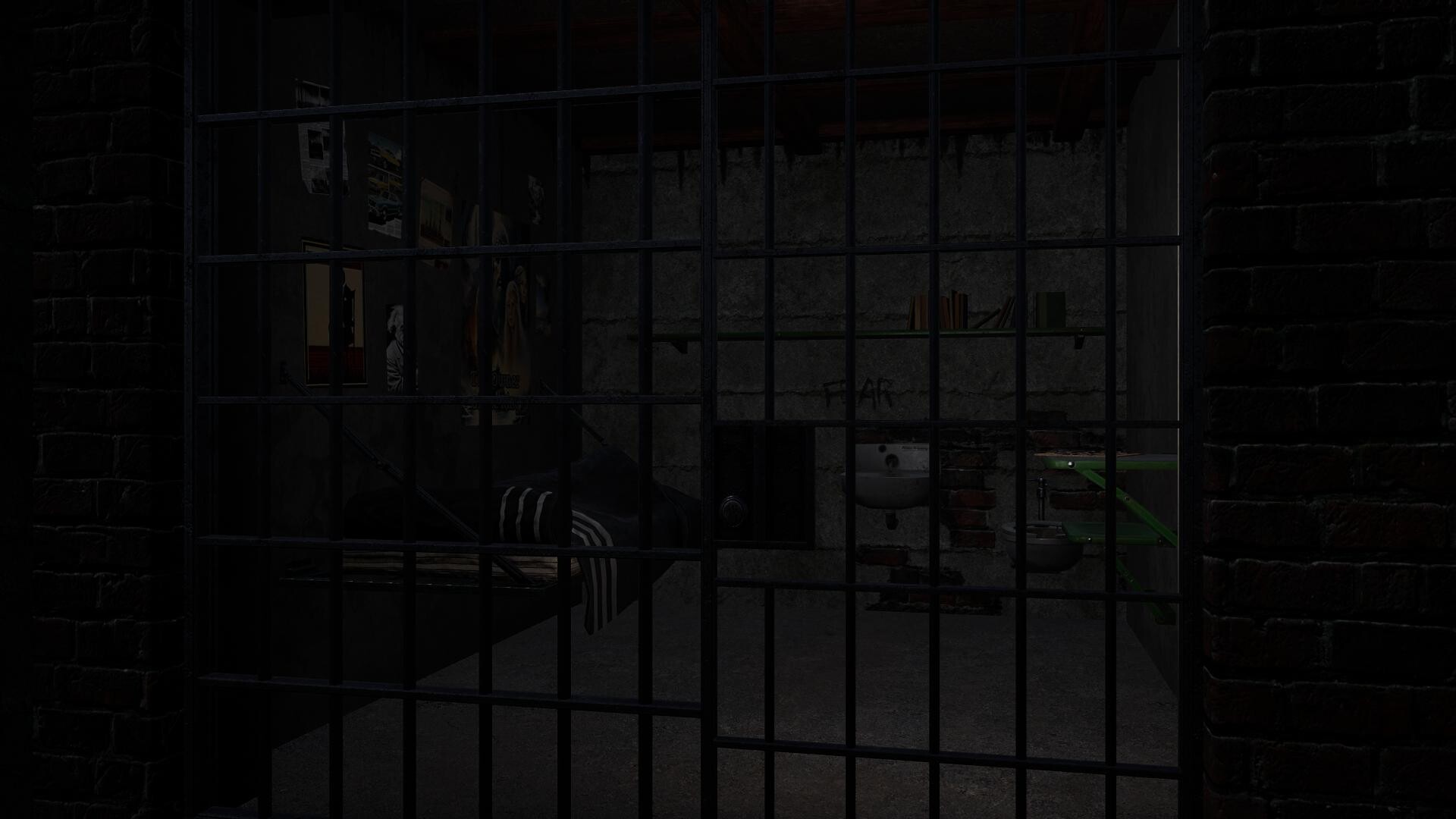
Trace of the Villa places you in a mansion that feels “less abandoned than erased.” According to the official description, Jin restores power to discover secured systems, hidden compartments and safes that yield fragments of encrypted documents, suspicious transfer records and falsified identities. The mystery is procedural in the sense that each solved lock and recovered fragment reveals another layer of a concealed operation: arrivals without records, departures without witnesses, and people moved under strict control. The core loop is clue-driven exploration and decrypting narrative fragments rather than combat spectacle.
When and where to find it
Trace of the Villa is available on Steam for PC as of 28 May, 2026. The Steam page lists developer and publisher as Steadyturtle Co., Ltd., and the store page includes screenshots, header art, and an embedded trailer thumbnail for discovery.
Why the theme matters (and how it reads)
Thematically, the game plays on erasure: rooms set up as if lives stopped mid-routine, but with identities stripped from the documentary record. That design choice changes how players look for meaning. Rather than relying on explicit character dossiers, you infer a network of control from financial transfers, encrypted fragments and physical absence. This encourages a reading of systems — restored power, unlocked computers, safes — as narrative devices that gradually force the mansion’s backstory into view.
How players uncover meaning
Trace of the Villa’s investigation unfolds by reactivating infrastructure and following procedural traces. The official description outlines several concrete steps players will take: restore power to bring systems online; access secured systems and hidden compartments; decrypt documents and inspect transfer records; and assemble a timeline from fragmentary evidence. Progression is designed around corroboration: multiple small discoveries (manifests, encrypted fragments, suspicious transfers) collectively map back to larger patterns (arrivals without records, departures without witnesses). Expect puzzle solutions to be both mechanical (unlocking, power restoration) and interpretive (connecting fragments into motive and timeline).

Player scenarios — who should wishlist (and why)
- Investigation-first players: You enjoy reading documents, cross-referencing records, and assembling timelines from small fragments rather than being handed exposition.
- Fans of atmospheric, slow-burn mystery: If you prefer careful pacing and tension built through environment and implication, the mansion’s “erased” feel and staged rooms serve that tone.
- Accessibility-minded explorers: Steam categories like “Playable without Timed Input” and “Subtitle Options” make this a reasonable pick for players who need a less reflex-driven experience.
- Those curious about narrative puzzle design: The game foregrounds how mechanical interactions (power restoration, unlocking safes) serve storytelling by exposing institutional traces and encrypted evidence.
How it compares — editorial discovery table
| Title | Genre / Tone | Puzzle focus | Exploration style | Story pacing / Player fit |
|---|---|---|---|---|
| Trace of the Villa | Action / Adventure (Indie); mansion mystery, atmospheric | Clue-driven: restore systems, open compartments, decrypt fragments | Contained estate exploration; environmental storytelling | Slow-burn, investigative—for players who read systems and documents |
| Inscryption | Adventure / Indie / Strategy; dark, card-driven psychological | Puzzles integrated into card mechanics and meta-narrative | Layered, often self-referential discovery | Darker, puzzle/strategy hybrid for players who like meta-secrets |
| Outer Wilds | Action / Adventure; open-world cosmic mystery | Environmental puzzles and observational deduction | Open solar-system exploration with emergent discovery | Explorers who like non-linear, revelation-driven gameplay; acclaimed GOTY recognition in 2019 |
| Journey | Adventure / Indie; contemplative, atmospheric | Minimalist puzzles; emotional and visual discovery | Linear but deeply atmospheric traversal | Players seeking poetic, short-form exploration experiences |
| The Forgotten City | Adventure / Indie / RPG; narrative time-loop mystery | Moral and logical puzzles tied to time mechanics | Focused area with deep narrative branching | Story-first players who enjoy moral complexity and clever systems |
| The Medium | Adventure; psychological horror with dual-reality exploration | Puzzle-solving across two connected realms | Linear location-focused exploration with horror tone | Players who want psychological and tonal tension alongside puzzles |
Where to watch a trailer or gameplay
If you want to see how the mansion and the investigation come to life, search for trailer and gameplay on YouTube: Trace of the Villa trailer & gameplay (YouTube search). This link is provided as a discovery path; check video sources for verification of official footage.
Final decision points
Choose Trace of the Villa if you want a narrative-first mystery that treats infrastructure (power, safes, encrypted documents) as storytelling gears and prefers interpretive assembly of evidence to explicit answers. If you want fast-paced action or large open-world traversal, this title leans toward contained, focused investigation within an atmospheric estate.
See Trace of the Villa on Steam
Referenced titles and trademarks belong to their respective owners. Comparisons above are editorial discovery based on genre, atmosphere, puzzle focus, exploration style, story tone, and pacing.
Leave a Reply