
Who should consider Trace of the Villa after enjoying atmospheric mystery adventures?
Trace of the Villa (Steadyturtle Co., Ltd.) is a story-driven, clue-led mansion mystery about Jin’s search for a missing sister, released on Steam on 28 May, 2026. If you prize environmental storytelling, slow-burn suspense and puzzle-led discovery over combat spectacle, this new indie release is worth a look.

Quick facts
| Title | Trace of the Villa |
|---|---|
| Release date | 28 May, 2026 |
| Developer / Publisher | Steadyturtle Co., Ltd. |
| Genres | Action, Adventure, Indie |
| Steam categories | Single-player; Color Alternatives; Custom Volume Controls; Playable without Timed Input; Subtitle Options; Family Sharing |
| Official premise | “Jin has spent years searching for his missing sister, pursuing leads that took him to a remote, decaying mansion where he recovered manifests and hints that indicate his sister may still be alive…” (official short description) |
| Steam page | View Trace of the Villa on Steam |
What the game is (and how it plays)
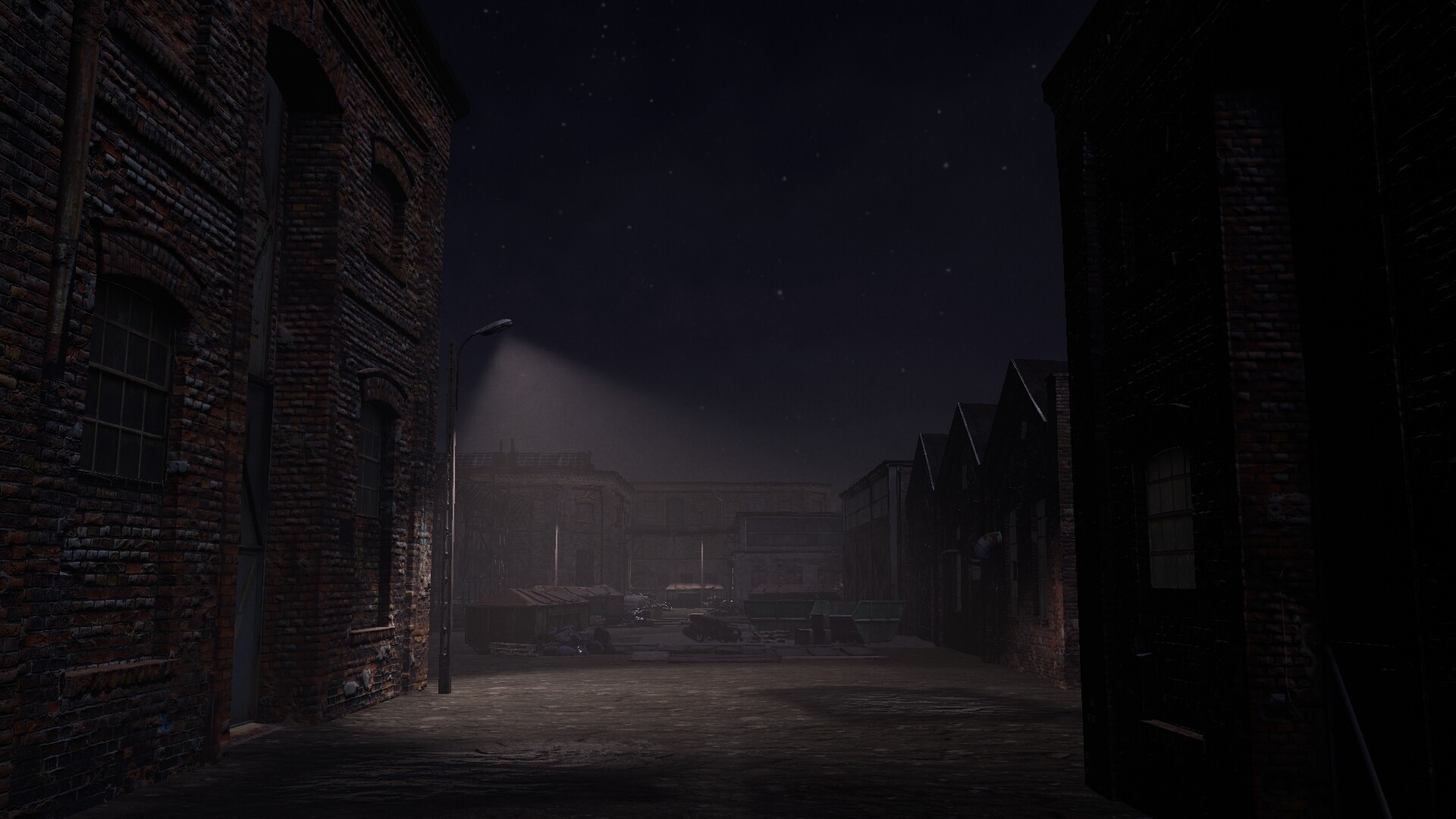
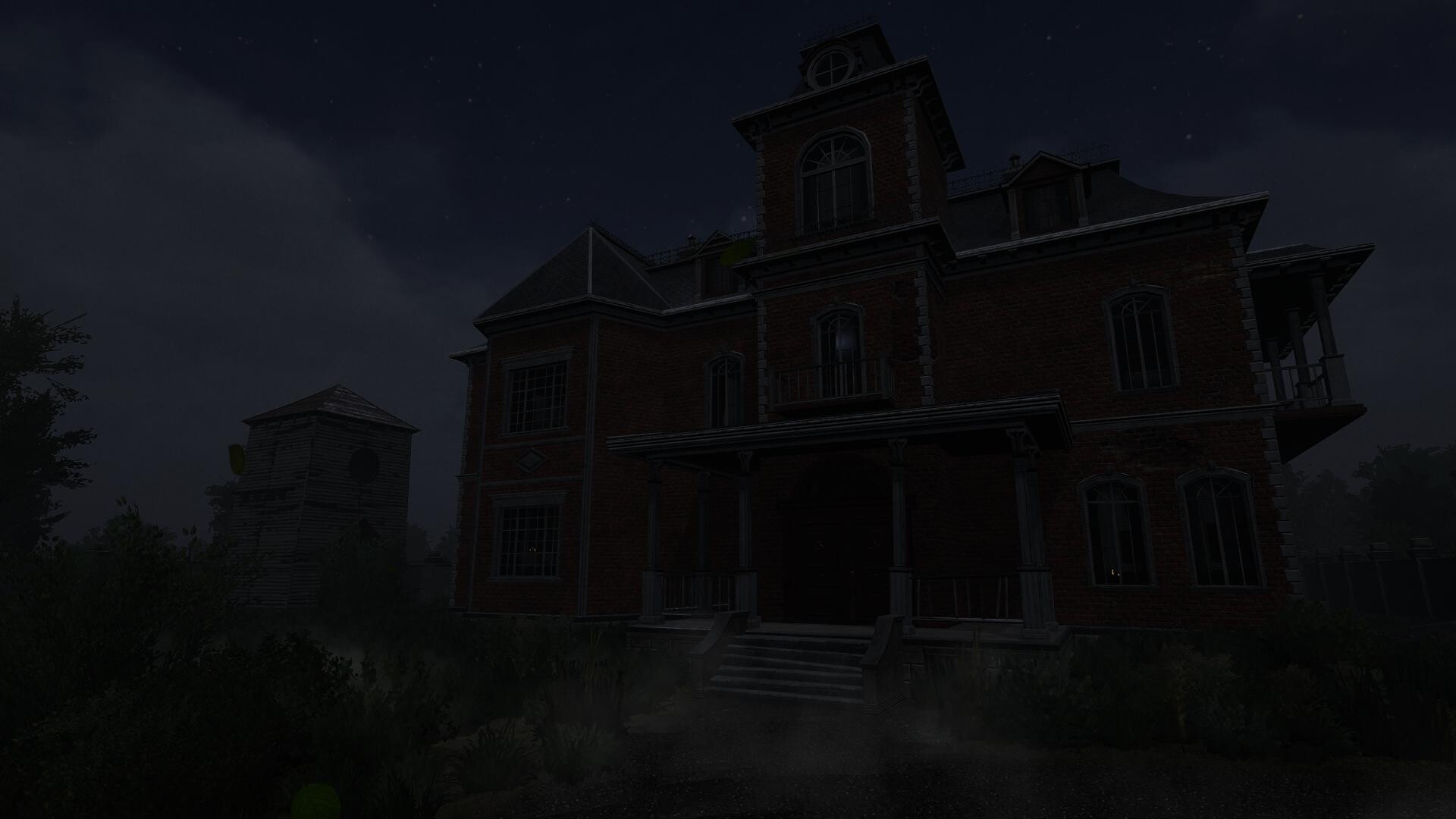
Trace of the Villa is presented as an investigative adventure centered on Jin’s personal search. The Steam description frames exploration of a decaying, off-grid mansion where the player restores systems, unlocks compartments and reads financial and identity fragments that reveal a wider, controlled operation. That places the design emphasis on environmental storytelling, clue-driven progression and puzzle discovery rather than fast-paced action setpieces.
Where and when you can play
Trace of the Villa is available on Steam (PC) as of 28 May, 2026. The Steam page lists the developer and publisher as Steadyturtle Co., Ltd., and includes accessibility and playback categories such as subtitles, custom volume controls and “playable without timed input.”
Why the theme matters — what the mansion mystery aims to deliver
The official description frames the mansion as less “abandoned” than “erased”: rooms staged as if occupants vanished, records wiped, and systems that reveal hidden financial and identity evidence when restored. For players attracted to atmosphere-first mysteries—where every object and logged fragment shifts the narrative—this sets an expectation of slow disclosure and investigative payoff rather than jump-scare pacing.
How you progress: clues, pacing and exploration
According to the Steam description, progression hinges on restoring power, unlocking compartments, decrypting documents and following financial trails and manifests. That suggests a gameplay loop built on observation, deduction and piecing together timelines from scattered evidence. The listed Steam categories (Playble without Timed Input, Subtitle Options, Color Alternatives) reinforce an experience designed for methodical players who prefer measured pacing and readable clues.
Who should consider Trace of the Villa?
Below are concrete player scenarios to help decide whether to wishlist or buy:
- If you like slow-burn mansion mysteries: You’ll appreciate the staged rooms, erased records and the sense of assembling a timeline from small, unsettling details.
- If you prefer clue-driven puzzles over action combat: The focus on manifests, encrypted fragments and unlocked compartments aligns with investigative puzzle design.
- If environmental storytelling is your main draw: The house itself functions as a narrative device—objects, power systems and personal effects reveal story beats.
- If you want accessibility options and non-timed exploration: Steam categories include Subtitle Options and Playable without Timed Input, which support a patient, read-and-investigate playstyle.
- If you favor survival-horror tension and first-person immersion: Some players who like sustained dread in first-person horror may find the atmosphere appealing, but Trace of the Villa’s emphasis in its Steam copy is investigation and narrative assembly rather than survival mechanics.
How Trace of the Villa compares — lawful editorial snapshot
To place it in context for readers who’ve played similar mystery/adventure titles, here’s a compact, factual comparison using genre, tone, puzzle emphasis, exploration style and pacing.
| Title | Released | Main focus (genre/feel) | Atmosphere & story tone | Puzzle vs exploration | Who might prefer it |
|---|---|---|---|---|---|
| Trace of the Villa | 28 May, 2026 | Action / Adventure / Indie — investigative mansion mystery | Slow-burn, erased-identities, investigative | Puzzle-led exploration; clue reading and system restoration | Players who want narrative puzzle loops and environmental storytelling |
| Amnesia: The Dark Descent | 8 Sep, 2010 | Action / Adventure / Indie — first-person survival horror | Immersive, terrifying, nightmare-driven | Exploration with stealth/survival tension and environmental clues | Players seeking high-tension immersion and psychological fear |
| SOMA | 21 Sep, 2015 | Action / Adventure / Indie — sci-fi horror | Existential, atmospheric, below-the-waves isolation | Exploration with narrative puzzles and philosophical story beats | Players who want story-rich, science-fictional dread with exploration |
| Layers of Fear (2016) | 15 Feb, 2016 | Adventure / Indie — first-person psychological horror | Painterly, shifting, psychological and claustrophobic | Environmental puzzles tied to narrative revelation and set-piece rooms | Players who prefer psychological twists and a strongly curated atmosphere |
| The Room | 28 Jul, 2014 | Adventure / Indie — tactile puzzle-box puzzles | Mysterious, occult-tinged and intimate | Compact, object-based puzzles with focused, tactile problem solving | Players who enjoy dense, standalone mechanical puzzles and tactile interfaces |
| Rusty Lake Hotel | 29 Jan, 2016 | Adventure / Indie — point-and-click, episodic puzzles |
Leave a Reply