
Trace of the Villa — a locked‑room mystery built around power, doors, and evidence
Trace of the Villa drops you into a decaying mansion where Jin’s years‑long search for his missing sister finally yields a lead; restoring power is the key that unwraps locked spaces, encrypted fragments, and a chain of clues that suggest larger, deliberately erased operations. Released on 28 May, 2026 by Steadyturtle Co., Ltd., the game frames investigation as a layered gameplay loop: flip the breakers, open the doors, reconstruct the story from objects, manifests, and suspicious records.

Quick facts
| Title | Trace of the Villa |
|---|---|
| Release date | 28 May, 2026 |
| Developer / Publisher | Steadyturtle Co., Ltd. |
| Genres | Action, Adventure, Indie |
| Steam categories | Single-player, Color Alternatives, Custom Volume Controls, Playable without Timed Input, Subtitle Options, Family Sharing |
| Official short premise | Jin investigates a remote, decaying mansion after recovering manifests and hints that his missing sister may still be alive. |
| Steam page | Trace of the Villa on Steam |
What the game is — structure, tone, and mechanics
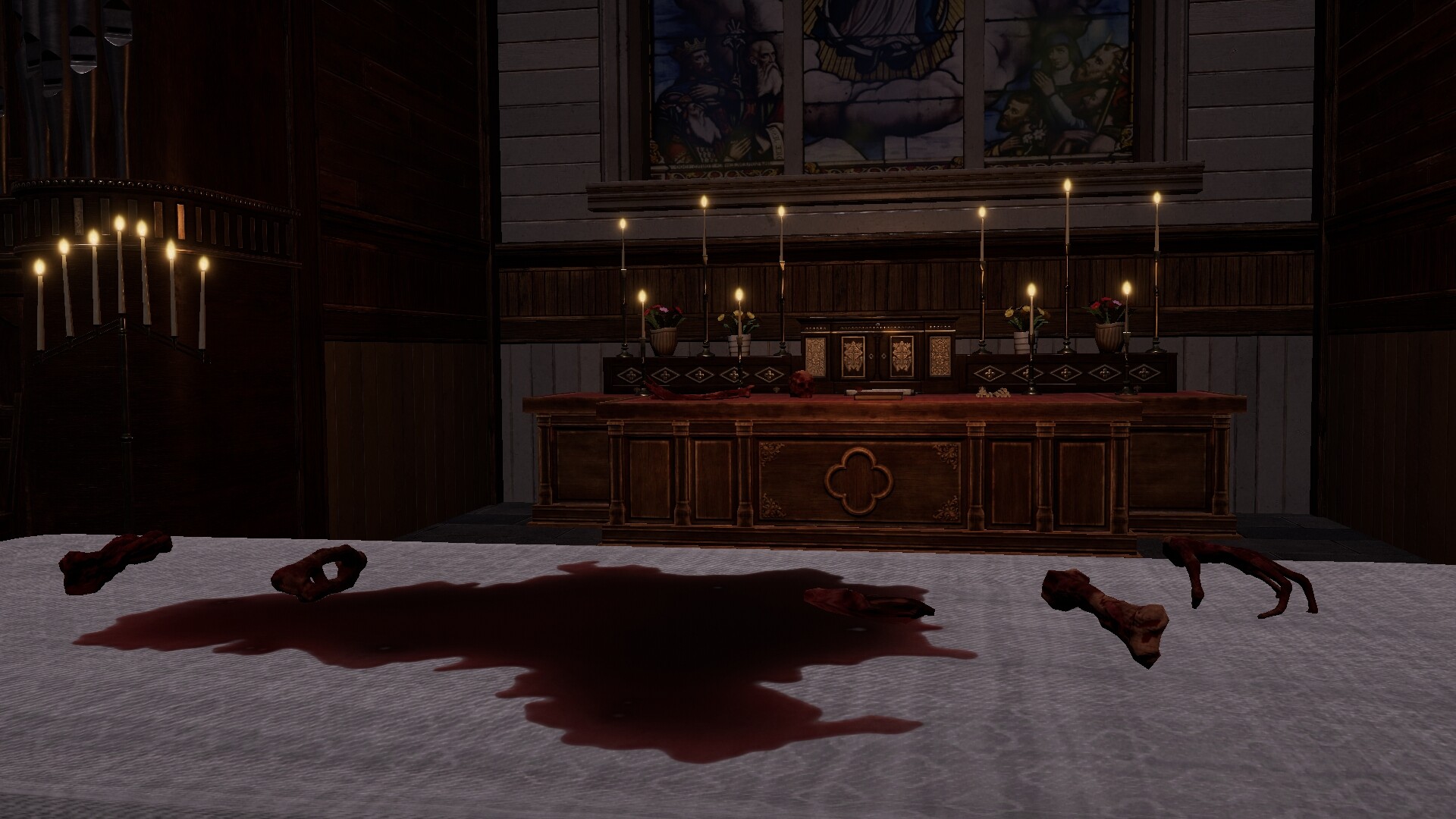
Trace of the Villa positions itself as an atmospheric mystery adventure that mixes exploration with environmental storytelling. The official description emphasizes a house that feels “less abandoned than erased”: rooms staged as if people vanished mid‑routine, locked doors hiding secured secrets, and missing or falsified identities. Gameplay is organized around restoring estate power — when systems come back online, secured compartments and safes yield documents and fragments that extend the chain of clues.
How progression works: restoring power, unlocking spaces, reconstructing evidence
The central gameplay loop described on Steam is concrete and deliberately paced: find ways to bring the mansion’s utilities back online; those systems reactivate security mechanisms, open new areas, or decrypt files; each unlocked node delivers more artifacts — manifests, transfer records, encrypted notes — that you must assemble into a timeline. That loop frames puzzle design as investigative rather than purely mechanical: clues are evidence, and the player is reconstructing a suppressed history rather than simply “solving a puzzle.”

Who should wishlist it — player scenarios
- Locked‑room, clue‑chain fans: If you enjoy games where each unlocked space reveals a clear next lead — manifests, records, and devices that must be cross‑referenced — this design is central to Trace of the Villa.
- Slow‑burn exploration players: The description and categories suggest a methodical pace: environmental storytelling and staged rooms that reward careful reading rather than twitch skills.
- Investigative storytellers: Players who prefer narrative puzzle design — assembling timelines and motives from fragments — will find the reconstructive evidence loop appealing.
- Accessibility‑minded PC players: The Steam categories include color alternatives, custom volume controls, subtitle options, and “playable without timed input,” which points to a more contemplative, less reflex‑driven experience.
When and where — Steam availability and storefront signals
Trace of the Villa released on Steam on 28 May, 2026. The Steam page lists Steadyturtle Co., Ltd. as both developer and publisher. The game’s Steam listing classifies it under Action / Adventure / Indie and includes single‑player and accessibility categories that suit PC mystery players.
How it fits among nearby mystery and escape‑room style games
For readers choosing between similar titles, focus on what you want from the loop: is it tactile, contraption‑driven puzzle solving; forensic assembly of documents and timelines; or high‑interaction setpieces? Below is a comparison to help you match preferences to tone and mechanics — a lawful editorial read across genre, atmosphere, puzzle focus, exploration style, pacing, and recommended player fit.
| Title | Genre / Tone | Puzzle focus | Exploration style | Pacing / Player fit |
|---|---|---|---|---|
| Trace of the Villa | Action / Adventure / Indie; mansion mystery, psychological investigation | Clue chains, documents, systems reactivation, reconstructing evidence | Environmentally staged rooms; unlocking areas by restoring power and systems | Methodical, investigative; suited to players who like narrative puzzle design and slow reveals |
| The Room | Adventure / Indie; atmospheric locked‑room puzzles | Mechanical safes and tactile puzzle boxes | Single locked environments with layered devices to open | Focused, cerebral; for players who enjoy intricate object puzzles |
| The Room Two | Adventure / Indie; cryptic, atmospheric puzzles | Continues the locked‑object, multi‑stage puzzle box design | Progressive single‑location exploration across connected rooms | Deliberate puzzle progression; appeals to fans of the original’s craftsmanship |
| Escape Simulator | Adventure / Casual / Indie; interactive escape rooms | Highly interactive object manipulation and community rooms | Modular rooms and editable scenarios; emphasis on interactivity | Variable pacing; good for cooperative play or players who want tactile manipulation |
| Hi‑Fi RUSH | Action; rhythm‑driven combat and energetic tone | Combat and rhythm mechanics rather than environmental puzzles | Linear action levels with setpieces | Fast, beat‑synced pacing; for players seeking action over investigative depth |
Why the theme matters
The Steam description frames the mansion as a controlled, deliberately anonymized site — identities removed, records falsified, people moved through “under strict control.” That conceptual scaffold shifts the player’s role from puzzle‑solver to investigator reconstructing an erased human history. For players who value story as the payoff for puzzle work, this matters: the rewards are narrative context and the sense of assembling a moral and procedural timeline, not only reaching a final mechanical solution.
Specific player scenarios — when Trace of the Villa will satisfy you
- You like detective work with physical anchors: You want to link receipts, manifests, and safes into a coherent timeline — this game promises that sort of evidence reconstruction.
- You prefer exploration that unlocks new systems: The power‑restoration loop is central; if you enjoy unlocking previously inert electronics and watching environments change, this will be rewarding.
- You avoid timed reflex challenges: The Steam categories include “Playable without Timed Input,” so the game suits players who want to think through problems calmly.
- You want atmospheric tension without explicit spoilers: If slow‑burn dread, staged rooms, and a personal stake in the narrative (Jin’s search for his sister) appeal, this matches that appetite.
YouTube discovery
If you want quick access to trailers or gameplay clips, search YouTube for Trace of the Villa trailers and gameplay: YouTube: Trace of the Villa trailer & gameplay. This is a search/discovery path rather than a claim of a specific official video.
View Trace of the Villa on Steam
Disclaimer: referenced titles and trademarks belong to their respective owners. Comparisons are editorial discovery and not endorsements or claims of affiliation.
Leave a Reply