
Trace of the Villa — an escape-room style mystery stitched together by power, locks, and evidence
Trace of the Villa drops you into a decaying mansion where restoring power is the first act of investigation: flip breakers, boot systems, and watch the house reveal sealed rooms, safes, and encrypted fragments that reconstruct a disturbing timeline. It’s an atmospheric mystery adventure from Steadyturtle Co., Ltd., released on 28 May, 2026, that centers locked-room thinking, chain-linked clues, and environmental reading as its primary loop.

Who this is for
If you prefer slow-burn suspense and methodical clue-work to twitch reflexes, Trace of the Villa is aimed at players who enjoy environmental storytelling, locked-room puzzle design, and deduction built around tangible artifacts. Fans of story-rich adventure where each restored circuit or unlocked room meaningfully changes what you can examine — and therefore what you can infer — will find the core loop appealing. The game is single-player and appears in Steam’s Action / Adventure / Indie categories.
What the game is (concise)
Trace of the Villa follows Jin, who’s been searching for his missing sister for years. A lead brings him to a remote, deliberately forgotten mansion with no recent records; inside, rooms look as if occupants vanished mid-routine. When Jin restores power, secured systems come back online, hidden compartments unlock, and safes yield fragments of encrypted documents and suspicious transfer records. Each solved puzzle exposes further layers of a concealed operation—falsified identities, masked movements, and financial trails that go nowhere—turning a single-location investigation into a reconstruction of what the estate actually was.
When and where
Trace of the Villa released on Steam on 28 May, 2026. It’s published and developed by Steadyturtle Co., Ltd. and listed under Steam categories such as Single-player, Color Alternatives, Custom Volume Controls, Playable without Timed Input, Subtitle Options, and Family Sharing.
Why the “restoring power” loop matters
Restoring power is both a mechanical and narrative hinge: it changes the environment and expands the set of readable clues. That mechanic scaffolds locked-room thinking because unlocking systems is not an end in itself — it reveals more things to interrogate. The game’s premise explicitly ties power restoration to discovery: secured systems come back online, hidden compartments unlock, and safes yield fragments of documents. This creates chain reactions of evidence: you light a wing of the house, you find a ledger; you unlock a safe, you get an encrypted fragment that recontextualizes a room. For players who enjoy piecing timelines together from gradual reveals, that loop delivers satisfying cause-and-effect investigation.
How you progress — reading the mansion as a chain of clues
Progress in Trace of the Villa leans on environmental reading and deduction rather than timed reflexes. The official description describes a sequence where powering the estate brings secured systems online and unlocks physical spaces; safes and encrypted fragments provide the raw material for reconstruction. Expect to:
- Prioritize switches, breakers, and systems that expand accessible areas.
- Examine unlocked rooms and recovered manifests for inconsistencies and links.
- Collect fragments from safes and systems that build a financial and identity trail.
- Follow clue chains: one unlocked item often points to another locked container or system.
That loop rewards players who map relationships between documents, objects, and locations — locked-room thinking applied to a sprawling, deliberately blanked-out residence.
Specific player scenarios
Scenario A — The Methodical Detective
You like cataloging evidence and making timelines. You’ll spend hours restoring circuits in one wing to open a sequence of safes, then cross-reference manifests against transaction fragments until a pattern forms. The game’s focus on secure systems and encrypted documents places your strengths — pattern recognition and deduction — front and center.
Scenario B — The Environmental Reader
You absorb atmosphere and extract story from placement and detail. Pulling the power on a dark corridor and seeing furniture, objects, and a sealed cabinet illuminated will be rewarding because narrative beats are conveyed through the space as much as through documents.
Scenario C — The Puzzle-Forward Explorer
You prefer puzzles that gate new areas. The “restore power → unlock systems → access new puzzles” cadence offers a steady sense of forward motion without relying on combat or timed inputs, matching the Steam feature “Playable without Timed Input.”
Compact facts — Trace of the Villa
| Title | Trace of the Villa |
|---|---|
| Developer | Steadyturtle Co., Ltd. |
| Publisher | Steadyturtle Co., Ltd. |
| Release date | 28 May, 2026 |
| Genres | Action, Adventure, Indie |
| Steam categories / features | Single-player, Color Alternatives, Custom Volume Controls, Playable without Timed Input, Subtitle Options, Family Sharing |
| Steam store | Trace of the Villa on Steam |
How it sits next to other mystery and escape-style games
Below is a focused editorial comparison on lawful criteria: genre, atmosphere, puzzle focus, exploration style, story tone, and pacing. This is a discovery tool to help readers decide which experience fits them, not a ranking.
| Title | Genre / Core | Atmosphere / Tone | Puzzle & Exploration Focus | Player fit |
|---|---|---|---|---|
| Trace of the Villa | Action / Adventure / Indie | Slow-burn mansion mystery, erased identities, unsettling domestic spaces | Locked-room thinking via power restoration, hidden compartments, encrypted fragments | Players who want methodical investigation and environmental narrative revealed by systems |
| The Room | Adventure / Indie | Claustrophobic, tactile, puzzle-box focused | Single-room mechanical puzzles centering on a cast-iron safe and object manipulation | Players who prefer tightly-focused puzzle boxes and tactile mystery |
| The Room Two | Adventure / Indie | Cryptic, atmospheric, gradually expanding setpieces | Chained puzzle chambers with a strong emphasis on curiosity-driven exploration | Players who enjoyed The Room and want a larger, similarly focused puzzle experience |
| Escape Simulator | Adventure / Casual / Indie / Simulation | Playful, interactive escape-room sandbox | Highly interactive rooms, physical object manipulation, co-op options (community-made rooms) | Players who want hands-on interaction, community content, or co-op solve sessions |
| Hi-Fi RUSH | Action | Energetic, music-driven, bright and fast-paced | Rhythm-combat and movement rather than environmental clue chains | Players who prefer action and audiovisual rhythm over slow investigative pacing |
Visuals — more official screenshots
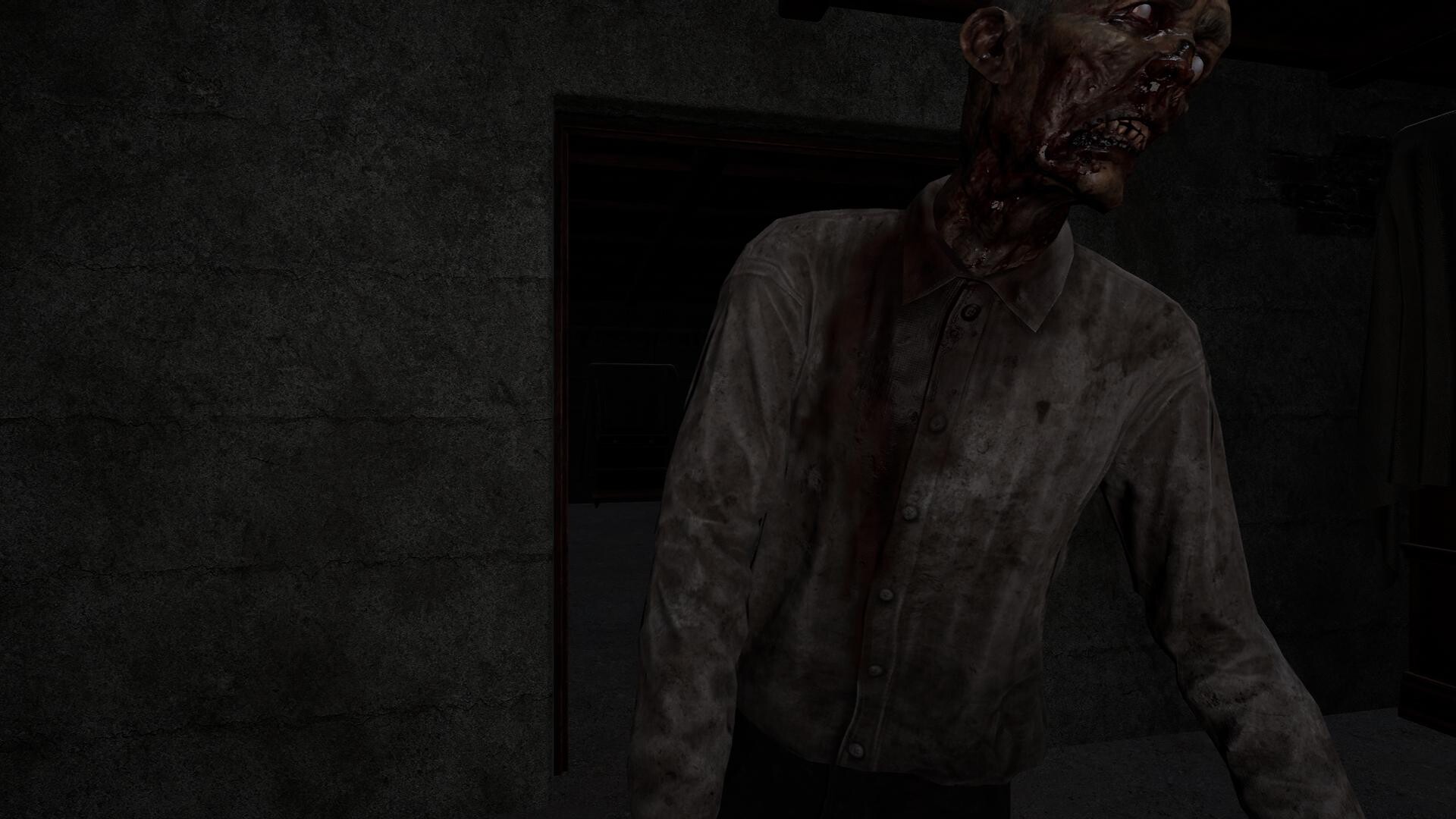
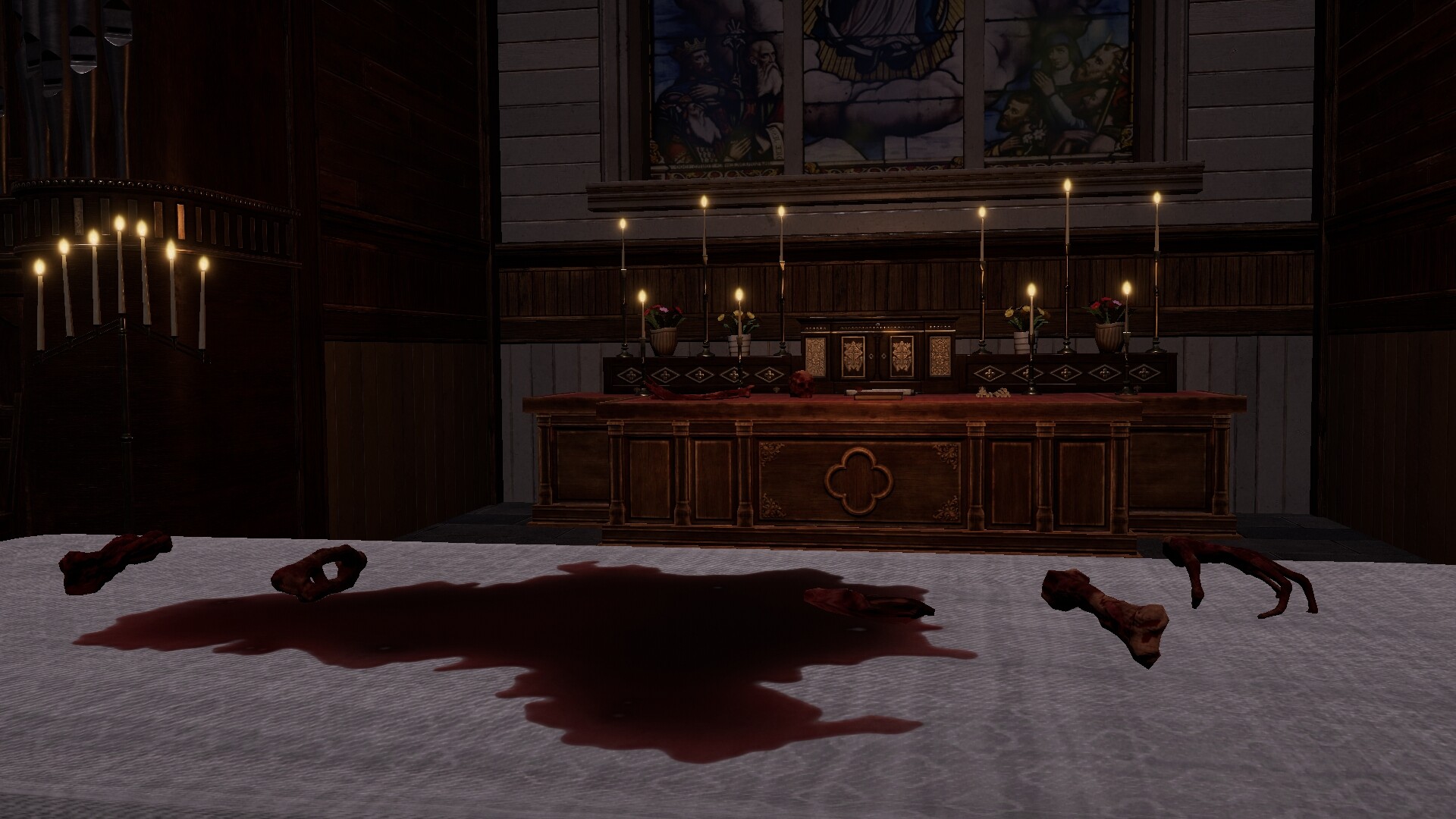
YouTube discovery
Looking for trailers or gameplay footage? Use this search path on YouTube (search results may include official trailers, previews, and player captures): https://www.youtube.com/results?search_query=Trace+of+the+Villa+trailer+gameplay. This is a YouTube discovery link rather than an assertion that any specific video is an official release.
Should you wishlist it?
Wishlist Trace of the Villa if you prize atmospheric mystery, patient clue-chaining, and narrative puzzles where unlocking systems materially advances both access and story. If you prefer fast-paced action or reaction-based challenges, this title’s deliberate investigative pacing may not match your playstyle.
Final notes and disclaimer
Trace of the Villa is developed and published by Steadyturtle Co., Ltd., and released on Steam on 28 May, 2026. The editorial comparisons above use lawful discovery criteria — genre, atmosphere, puzzle focus, exploration style, story tone, and pacing — and are intended to help readers choose the right experience for their tastes.
Referenced
Leave a Reply