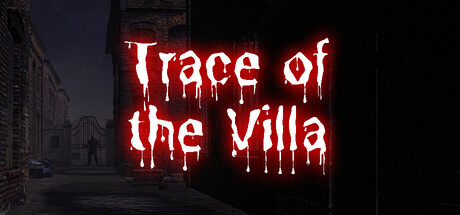
Trace of the Villa and the Quiet Art of Slow-Burn Horror
Trace of the Villa asks you to sit with unease rather than leap at it: a narrative puzzle adventure about a man named Jin following cold leads to a decaying mansion. The game’s steam page frames investigation, restored systems, and disappearing identities as the engine for brooding suspense rather than jump-scare spectacle.

Who this is for
Players who prefer atmospheric mystery adventure and psychological investigation over fast-paced horror will find Trace of the Villa aligned with their tastes. If you enjoy story-rich adventure, environmental storytelling, and piecing together clues at a careful pace, this release targets that audience. It’s also suited to single-player PC players who like exploration-led narratives and puzzle-driven progression.
What the game is
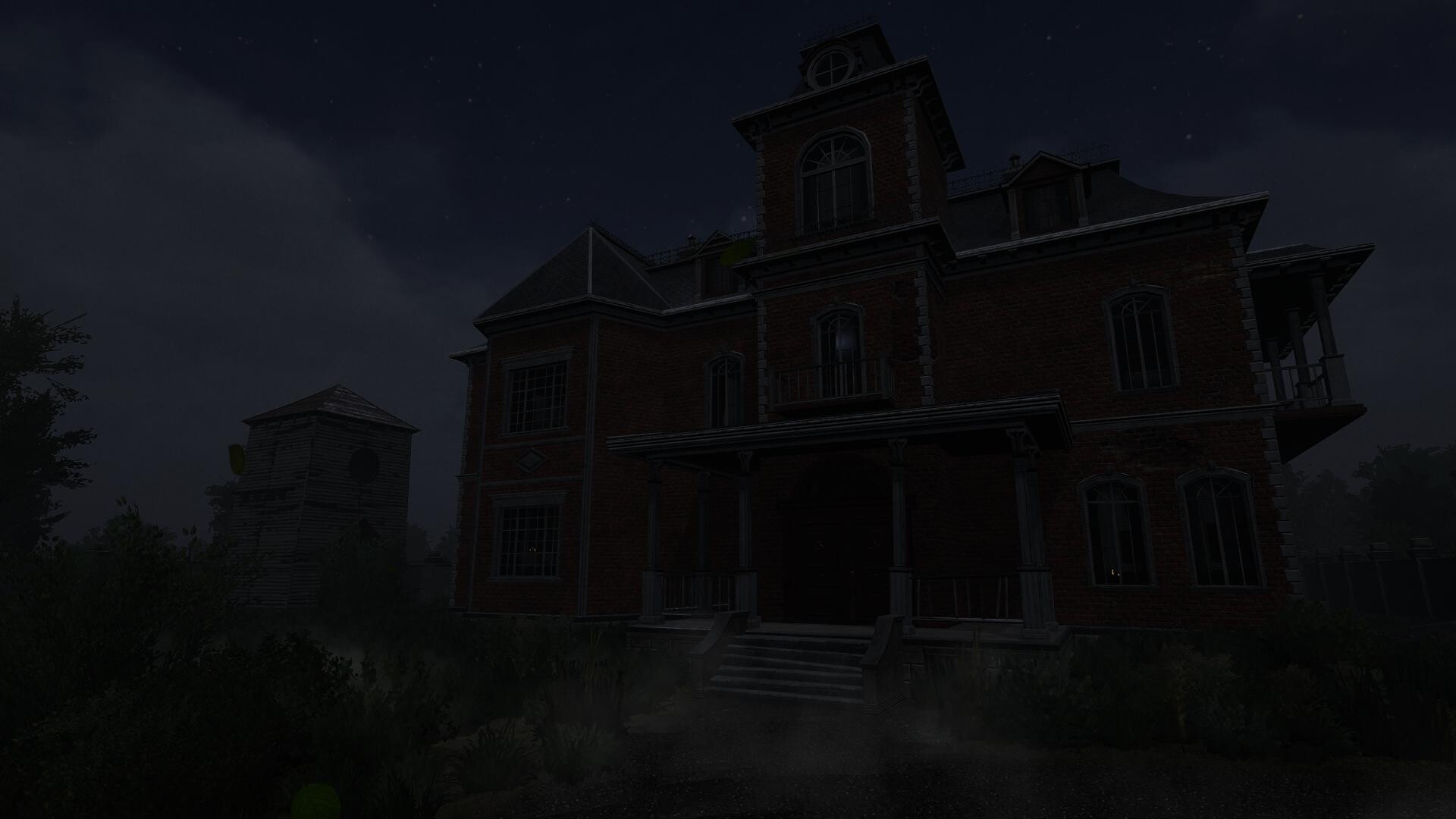
Trace of the Villa (Steam appid 3483660) is presented on Steam as an Action / Adventure / Indie title by Steadyturtle Co., Ltd., who are listed as both developer and publisher. The official short description frames the premise: Jin has spent years searching for his missing sister and follows a lead to a remote, decaying mansion where manifests and hints suggest she may still be alive. The official description emphasizes electrically restored systems, encrypted documents, falsified identities, and a mansion that feels “less abandoned than erased.”
| Title | Trace of the Villa |
|---|---|
| Release date | 28 May, 2026 |
| Developer / Publisher | Steadyturtle Co., Ltd. |
| Genres | Action, Adventure, Indie |
| Steam categories | Single-player; Color Alternatives; Custom Volume Controls; Playable without Timed Input; Subtitle Options; Family Sharing |
| Steam page | Trace of the Villa on Steam |
When and where
The game is available on Steam with an official release date of 28 May, 2026. The Steam listing presents the core premise and system-friendly accessibility options (subtitles, custom volume controls, playable without timed input), which signal a focus on making narrative and puzzle beats readable to players who prefer deliberate pacing over reflex-driven mechanics.
Why quiet tension and uncertainty matter here
Trace of the Villa’s official copy emphasizes missing records, erased identities, and the slow reconstruction of hidden systems. Those elements naturally encourage a slow-burn approach: tension comes from not knowing who belonged here, what the records mean, and how much of the truth is accessible. Quiet suspense compels a different kind of engagement — attention to detail, patience, and the dread that builds when every recovered manifest only deepens the mystery.
How you progress: clues, systems, and pacing
The Steam description notes that Jin restores power to the estate, which brings secured systems back online and reveals hidden compartments and encrypted documents. That wording indicates a gameplay loop built around environmental puzzle design and investigative sequencing: restore or reactivate elements, read fragments, follow financial or identity trails, then use what you find to unlock the next area or layer of narrative. Expect clue-driven exploration and gradual revelation rather than scripted shocks.

Player scenarios — who should wishlist this
- If you like methodical investigation: You’ll enjoy reconstructing hidden systems and following paperwork or manifests to locate missing threads.
- If atmosphere and story tone matter more than adrenaline: The Steam listing suggests pacing that rewards lingering and attentive reading of environments.
- If accessibility and readability matter: The presence of subtitle options, custom volume controls, and “playable without timed input” suggests thoughtful support for different playstyles.
- If you want something different from jump-scare-driven horror: Trace of the Villa frames its tension as uncertainty and erasure — choose this if slow-burn suspense is your preference.
How Trace of the Villa sits beside other slow-burn and psychological games
Below is a compact editorial comparison focused on genre, atmosphere, puzzle focus, exploration style, story tone, and pacing. This is intended to help readers decide which titles match their preferences; it is an editorial survey using publicly available Steam descriptions and genre tags.
| Title | Primary feel | Puzzle / exploration focus | Story tone / pacing |
|---|---|---|---|
| Trace of the Villa | Decaying mansion mystery; investigative dread | Clue-driven, restoring systems and decrypting documents | Slow-burn, revelation through environmental storytelling |
| Amnesia: The Dark Descent | Immersive first-person dread | Environmental puzzles and survival tension | High tension with immersive scares; urgent pacing |
| SOMA | Existential sci-fi dread | Exploration and puzzle moments anchored in atmosphere | Gradual, philosophical tone with building unease |
| Layers of Fear (2016) | Psychological, shifting mansion | Exploratory puzzles and narrative fragments | Art-driven, creeping madness; focused on atmosphere |
| Poppy Playtime | Horror-puzzle with toy-factory antagonists | Puzzle tools and timed encounters | More overt threats and set-piece scares than slow-burn titles |
YouTube discovery
If you prefer to watch trailers or gameplay clips to judge pacing and atmosphere, use this YouTube search path rather than assuming any particular video is official: Search Trace of the Villa trailer & gameplay on YouTube.
View Trace of the Villa on Steam
Disclaimer: referenced titles and trademarks belong to their respective owners; comparisons above are editorial discovery only and not endorsements. Information about Trace of the Villa (release date, developer/publisher, genres, and Steam categories) is taken from the game’s official Steam listing.
Leave a Reply