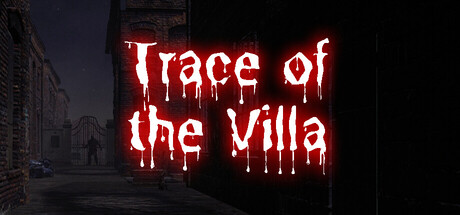
Who should consider Trace of the Villa after enjoying atmospheric mystery adventures
Trace of the Villa is a story-driven investigation set in a deliberately forgotten mansion, where Jin follows manifests and encrypted fragments that suggest his missing sister may still be alive. Released on 28 May, 2026 by Steadyturtle Co., Ltd., it targets players who favour environmental storytelling, puzzle-led investigation, and slow-burn suspense.

Quick facts
| Title | Trace of the Villa |
|---|---|
| Developer / Publisher | Steadyturtle Co., Ltd. |
| Release date | 28 May, 2026 |
| Genres | Action, Adventure, Indie |
| Steam categories | Single-player; Color Alternatives; Custom Volume Controls; Playable without Timed Input; Subtitle Options; Family Sharing |
| Where to find it | Trace of the Villa on Steam |
What the game is
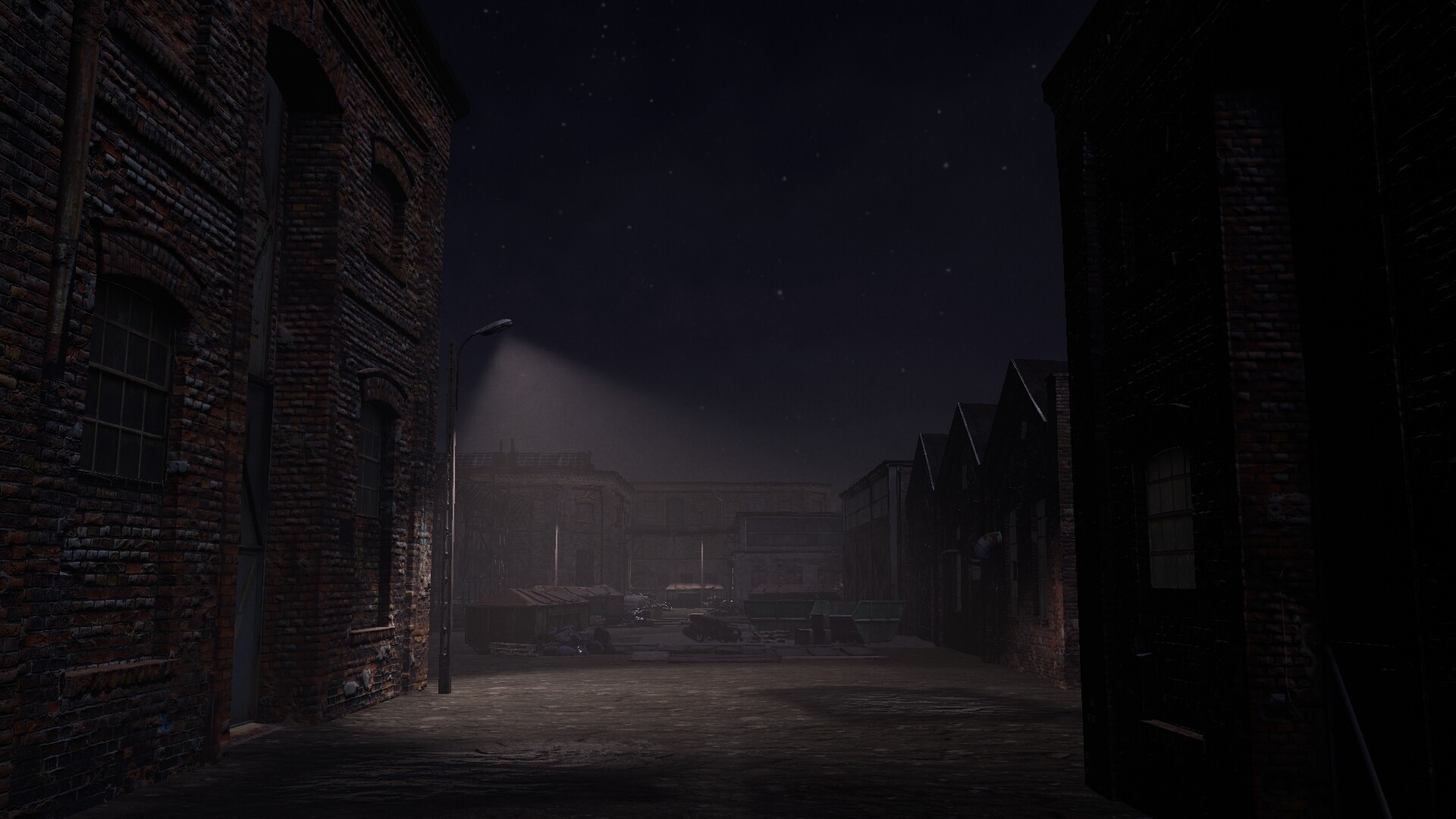
Official Steam text frames Trace of the Villa as a personal, investigative adventure. Jin arrives at a remote, decaying mansion and recovers manifests and hints that suggest his missing sister may still be alive. The mansion’s systems and hidden compartments reveal encrypted documents and suspicious transfer records as power is restored — pointing to falsified identities and controlled movements. That setup positions the game as an atmospheric mystery adventure built around discovery and piecing together a concealed operation.
When and where it’s available
Trace of the Villa released on Steam on 28 May, 2026. The Steam page lists typical PC-friendly categories — single-player, accessibility options such as color alternatives and subtitle options, and features like “playable without timed input” that may be relevant to players who prefer measured exploration over twitch mechanics.
Who the game is for
If you enjoy atmospheric mystery adventure on PC, Trace of the Villa is aimed at players who prefer investigative, clue-driven play over combat spectacle. The premise emphasizes piecing together evidence (manifests, encrypted documents, financial trails) and restoring estate systems to reveal locked information — a fit for those who like methodical unraveling of a story.
Specific player scenarios
- Players who appreciate slow-burn suspense and environmental storytelling — you want atmosphere and pacing that lets details accumulate.
- Fans of narrative puzzle design who prefer solving systems and unlocking hidden compartments instead of constant action.
- Those who enjoyed mansion mysteries or dark, investigation-led adventures and want a plot rooted in identity, falsified records, and institutional secrecy.
- Players who value accessibility options: the Steam page lists subtitles, color alternatives, custom volume controls, and the ability to play without timed input.
Why the theme matters
The mansion-as-memory and erased-identity conceit turns the environment into the primary narrator. Restoring power and systems as a mechanic gives the house agency: it gradually reveals its history through recovered files and secured compartments. For players who like story tone to emerge from location and found documents rather than direct exposition, that approach can make each solved puzzle feel narratively consequential.
How you progress — reading clues and uncovering the plot
According to the official description, progress comes from investigation: finding manifests, restoring power, unlocking compartments, and decrypting documents. That suggests gameplay where observation, inventory use and logical deduction steer forward momentum. The Steam categories (e.g., playable without timed input) reinforce a measured investigation pace rather than pressurized action sequences.
How Trace of the Villa compares — tone, pacing, clues, exploration
| Title | Tone / Atmosphere | Pacing | Clue / Puzzle Focus | Exploration Style |
|---|---|---|---|---|
| Trace of the Villa | Personal, investigative, mansion mystery (identity & erased histories) | Measured, slow-burn (restoring systems to reveal secrets) | Document and system-driven clues (manifests, encrypted records) | Room-by-room environmental discovery with hidden compartments |
| Amnesia: The Dark Descent | Immersive survival-horror; claustrophobic dread | Relentless tension with moments of reprieve | Environmental cues and pacing that serve fear and survival | First-person, immersive exploration focused on atmosphere |
| SOMA | Sci‑fi existential horror; philosophical weight | Deliberate, story-heavy pacing with set-piece scares | Scenario and narrative clues that probe identity and consciousness | Linear, atmospheric exploration through staged environments |
| Layers of Fear (2016) | Psychological horror inside a Victorian mansion; unsettling and artistic | Variable — tension rises with narrative reveals | Puzzle and narrative moments that reshape perception of spaces | Surreal, shifting mansion spaces that reward observation |
| The Room | Mysterious, tactile puzzle tone with a focused central object | Compact, puzzle-arc pacing — each device is a contained challenge | Mechanical, object-based puzzles with layered solutions | Contained scene exploration focused on interactive objects |
| Rusty Lake Hotel | Dark, puzzle-driven atmosphere with eccentric presentation | Short, episodic pacing across discrete puzzles | Curio- and inventory-driven puzzles with surreal logic | Point-and-click room-by-room progression |
Editorially: if you lean toward the investigative, document-led unraveling of a mystery — and prefer the tension of discovery over frequent jump scares or timed pressures — Trace of the Villa sits closer to detective-style mansion mysteries than to continuous survival-horror. It shares investigative DNA with titles that use environment and recovered records to tell story (SOMA, Layers of Fear) but appears to place stronger emphasis on restoration of systems and decrypting evidence as forward momentum.
Who should wishlist it — concrete scenarios
- You enjoyed slow, atmospheric investigations in a mansion setting and want more document-driven revelations.
- You prefer puzzle and exploration that reward careful observation and return-to-previous-rooms progression over constant combat.
- You need accessibility and pacing options (subtitles, no timed input) to keep the experience focused on story and clues.
- You liked narrative-focused horror that leans on tone and implication rather than explicit spectacle.
Trailer and further discovery
For a quick sense of pacing and presentation, search for trailer or gameplay videos: YouTube: Trace of the Villa trailer/gameplay. This search link is provided as a discovery path; a specific official video is not being claimed here.
Want to check it out on Steam?
Visit the Steam page to wishlist or view system and accessibility details:
Editorial disclaimer
Referenced titles and trademarks belong to their respective owners. Comparisons above are editorial discovery only, focused on genre, atmosphere, puzzle style, exploration, story tone, and pacing. Article content is based on official Steam metadata and the provided research set.
Leave a Reply