
Trace of the Villa: Rooms as Puzzle Spaces and Story Containers
Trace of the Villa frames its mystery inside a decaying mansion where every room reads like a dossier: furnished, half-erased, and waiting for a player to interpret its fragments. Released on 28 May, 2026 by Steadyturtle Co., Ltd., the game stages a slow-burn, clue-driven exploration that leans on object logic and narrative puzzles to reveal what happened to Jin’s missing sister.

Quick facts
| Title | Trace of the Villa |
|---|---|
| Release date | 28 May, 2026 |
| Developer | Steadyturtle Co., Ltd. |
| Publisher | Steadyturtle Co., Ltd. |
| Genres | Action, Adventure, Indie |
| Key Steam categories | Single-player; Color Alternatives; Custom Volume Controls; Playable without Timed Input; Subtitle Options; Family Sharing |
| Steam AppID | 3483660 |
| Short premise | Jin follows a lead to a remote, decaying mansion and recovers manifests and hints suggesting his missing sister may still be alive. |
What the game is — rooms that speak
Trace of the Villa places the player in a mansion that feels “less abandoned than erased.” Rooms are both puzzle arenas and story containers: set dressing points to routines interrupted, locked doors hide secured secrets, and objects — when read together — form a timeline. The official Steam description details mechanics of restoration and discovery: when Jin restores power, secured systems come back online, hidden compartments unlock, and safes yield fragments of encrypted documents and suspicious transfer records. Those discoveries push the narrative forward as much as they unlock progression.
Who this is for
If you prize environmental storytelling and methodical clue-reading — rather than fast action or twitch reflexes — Trace of the Villa is targeted at players who enjoy detective-style pacing and puzzle logic embedded in everyday objects. It suits explorers who want to reconstruct lives from small artifacts, and players who appreciate a narrative that unfolds room by room.
When and where to play
Trace of the Villa is available on Steam; it released on 28 May, 2026. The Steam page lists the game’s developer and publisher as Steadyturtle Co., Ltd., and the store entry shows accessibility options such as subtitle options and “playable without timed input,” useful signals for single-player puzzle-adventure audiences on PC.
Why the mansion setting matters
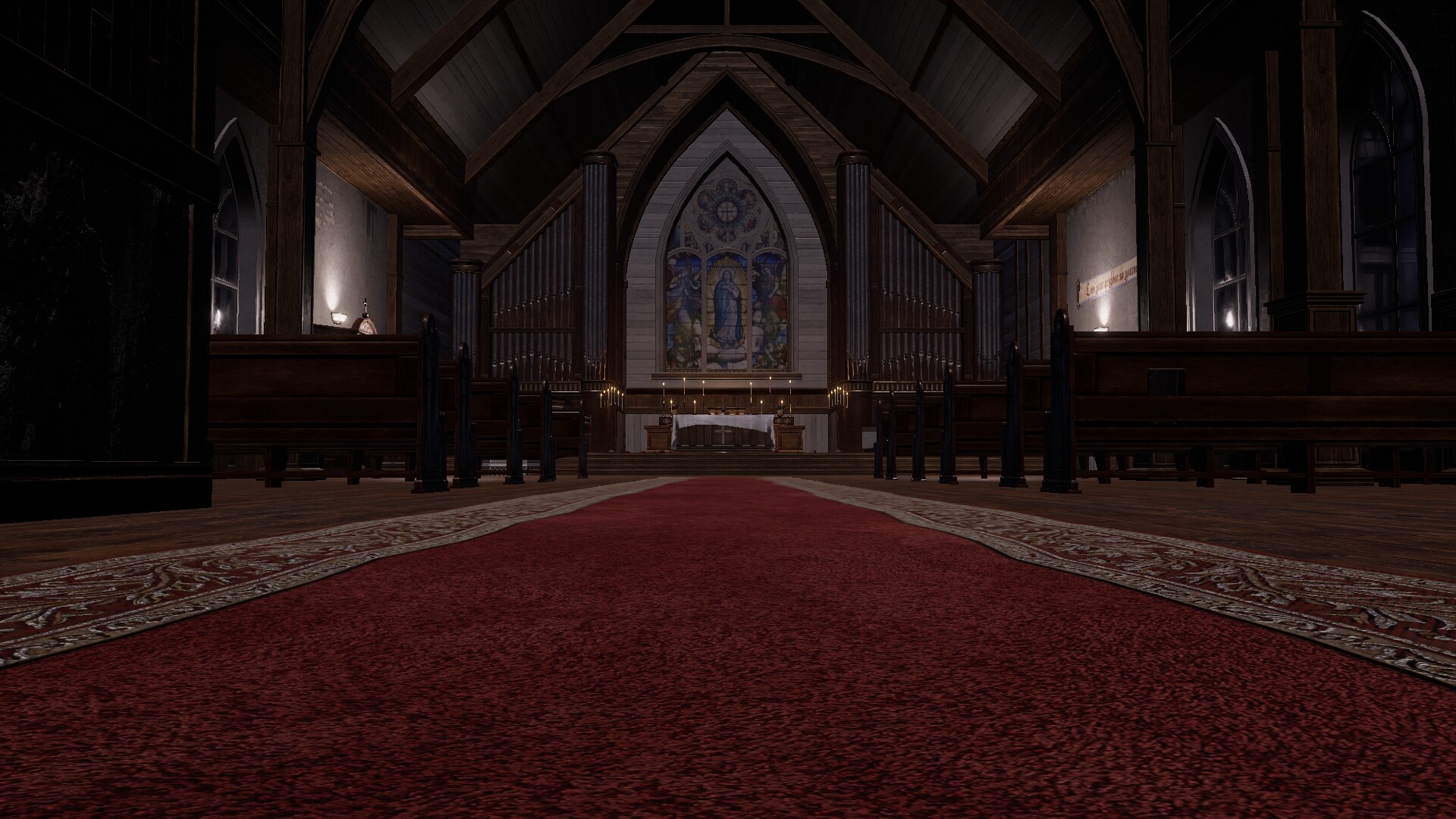
The mansion is not merely backdrop; it organizes the game’s investigative logic. Rooms preserve traces of occupancy “as if their occupants vanished mid-routine,” which means puzzles are often narrative-first: an arrangement of objects suggests intent, a powered terminal reveals lists and manifests, and financial or identity fragments hint at larger operations. That interplay makes each room a micro-thesis — a discrete argument about who was there and what they were doing — so solving a lock is also an act of historical interpretation.
How you progress: reading clues and applying object logic
Progression in Trace of the Villa emphasizes three linked skills:
- Clue reading: Treat every shelf, ledger, and boot as evidence. Clues come from recovered manifests and hints referenced on the Steam page.
- Object logic: Use concrete relationships between items — measurements, positions, inscriptions — to solve mechanical and environmental puzzles.
- Story puzzles: Combine decrypted fragments, transfer records, and system logs to reconstruct a sequence that unlocks new areas or reveals why identities were removed.
The design choice to restore power as a milestone ties exploration to discovery: reactivating systems doesn’t just light the bulbs, it reactivates the mansion’s ability to narrate itself.

Player scenarios — who should wishlist
Concrete playstyles that will likely enjoy Trace of the Villa:
1. The Methodical Investigator
Prefers note-taking, cataloguing artifacts, and returning to earlier rooms with new information. This player enjoys decrypting fragments and seeing how a single recovered manifest reframes a whole area.
2. The Environmental Storyteller
Wants narrative through props and space design: clues come from arrangement, missing photographs, and rooms that “speak” through leftover routines. For this player, solving puzzles is a way to read character.
3. The Casual Puzzle Explorer
Enjoys a slow-burn mood and exploration without harsh time pressure — the Steam listing notes accessibility such as “playable without timed input” and subtitle options, which supports relaxed, contemplative play sessions.
How it compares (lawful editorial comparison)
For context, here’s an editorial comparison on puzzle focus, atmosphere, and player fit with a few nearby titles.
| Title | Puzzle focus | Atmosphere / Tone | Best for players who… |
|---|---|---|---|
| Trace of the Villa | Clue-driven environmental puzzles; object logic; system restoration and document fragments (official Steam description). | Slow-burn mansion mystery, psychological investigation, investigative mood. | Like reconstructing narratives from rooms and encrypted fragments. |
| The Room | Mechanical, tactile puzzle boxes and contraptions (topic research description). | Isolated, curiosity-driven mystery; focused object puzzles. | Prefer tactile, self-contained puzzle boxes and careful observation. |
| The Room Two | Sequence-based puzzles across connected scenes; mechanical and exploratory. | Cryptic and atmospheric; cinematic puzzle progression. | Enjoy layered mechanical puzzles with a guided narrative thread. |
| Escape Simulator | Highly interactive escape-room style puzzles with physical manipulation. | Playful to tense, depending on room;
Steam pageView Trace of the Villa on Steam YouTube discoveryFor trailer and gameplay discovery, use YouTube search rather than relying on unverified embeds: Find Trace of the Villa trailer and gameplay searches on YouTube. CommentsMore posts |
Leave a Reply