
Trace of the Villa — a slow-burn, inspection-heavy mansion mystery for clue-driven explorers
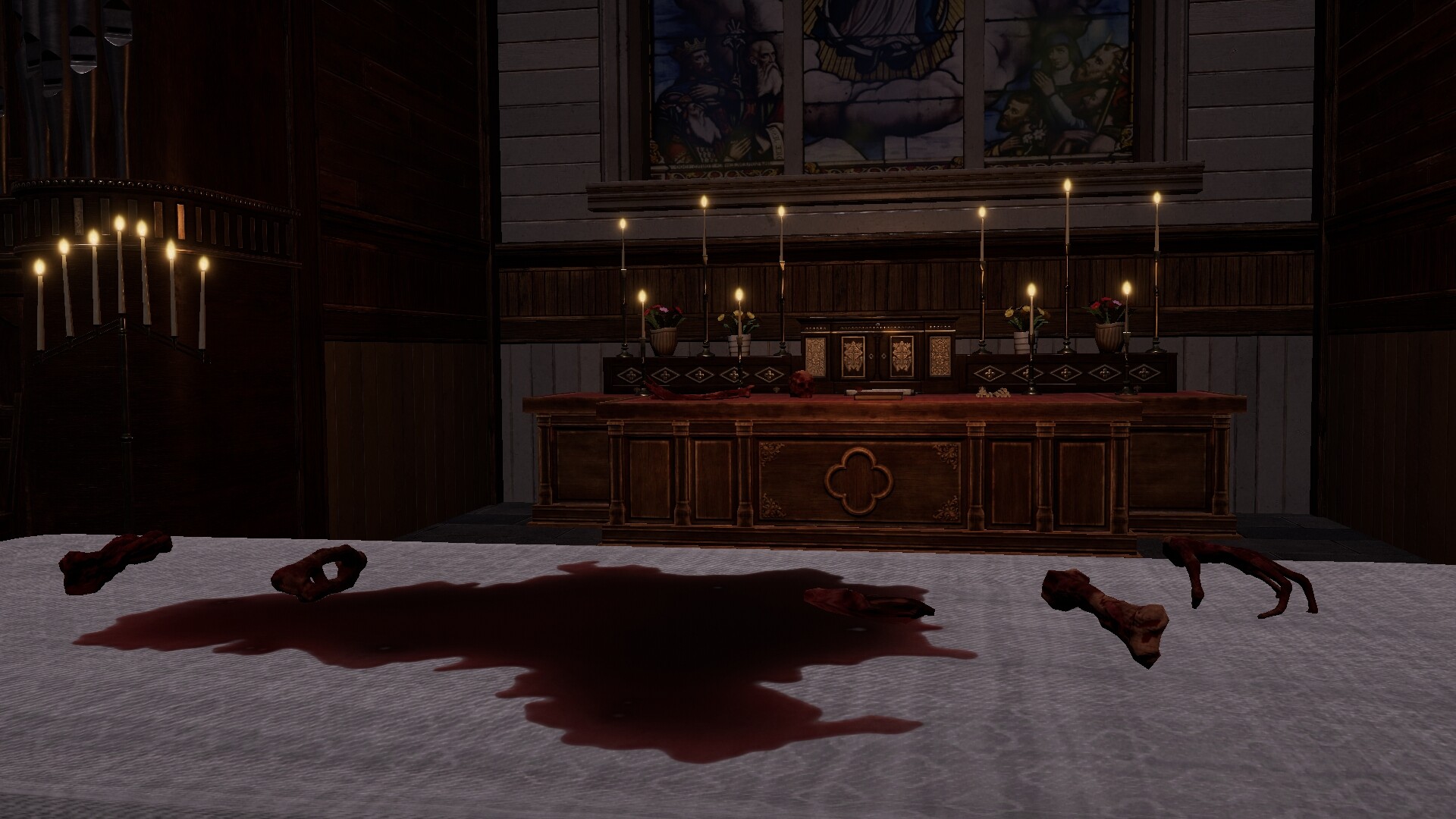
Trace of the Villa drops you into a decaying mansion where Jin, a man chasing signs of a missing sister, restores power and teases open sealed systems and encrypted fragments. It’s an atmospheric mystery adventure that centers on object logic, environmental puzzles, and methodical reading of the scene rather than reflex-driven action.

Who, what, when, where, why and how — at a glance
| Trace of the Villa — Quick facts | |
|---|---|
| Title | Trace of the Villa |
| Steam App ID | 3483660 |
| Release date | 28 May, 2026 |
| Developer / Publisher | Steadyturtle Co., Ltd. |
| Genres | Action, Adventure, Indie |
| Categories | Single-player; Color Alternatives; Custom Volume Controls; Playable without Timed Input; Subtitle Options; Family Sharing |
Who is this for?
Trace of the Villa is aimed at players who prize environmental storytelling and slow-burn suspense: people who enjoy reading rooms, assembling clue chains, and solving layered puzzles by inspecting objects and systems. If you prefer locked-room thinking — where the environment is the puzzle and every item can be evidence — this is pitched for you.
What the game is
Official Steam text frames Trace of the Villa around Jin’s years-long search for his missing sister. The protagonist follows a lead to an off-grid, deliberately forgotten mansion where powered systems, safes and hidden compartments reveal fragments of falsified identities and suspicious transfer records. The setup reads like an atmospheric, psychological investigation: mansion mystery plus narrative puzzle design.
When and where
Trace of the Villa released on Steam on 28 May, 2026. The Steam page lists Steadyturtle Co., Ltd. as both developer and publisher and classifies the title under Action, Adventure, Indie — with single-player and accessibility-oriented categories such as “Playable without Timed Input” and “Subtitle Options.”
Why the theme matters
The mansion premise matters because it naturally forces inspection-heavy gameplay: a property “erased” of identity points designers toward puzzles that are forensic in tone. When restoring power reactivates secured systems and unlocks fragments of evidence, the player’s primary tools are observation, deduction, and careful cross-referencing of environmental details rather than combat or platforming. That creates a focused, clue-driven exploration mood that suits fans of psychological investigation and story-rich adventure.
How progression and puzzles work (object logic and environmental reading)
Based on the official description, progression in Trace of the Villa hinges on restoring systems and interpreting what the house contains. Expect puzzle loops that follow a clear object-logic rhythm: find an irregularity, inspect it, use an environmental cue to open a compartment or decrypt a fragment, then follow that clue to the next locked system. This is inspection-heavy play: you’ll be rewarded for reading the room, comparing documents and records, and chaining small discoveries into a coherent timeline.

Player scenarios — who should wishlist this
- You like methodical puzzles and note-taking: If you enjoy assembling timelines from documents, comparing ledgers, and following financial or identity-based threads, Trace of the Villa’s premise suggests that those activities are central.
- You prefer low-pressure exploration: The Steam categories include “Playable without Timed Input,” which points to a gameplay tempo favoring careful inspection over twitch reactions.
- You want narrative payoff from environmental work: If finding story through objects—furniture left mid-use, missing photographs, encrypted manifests—appeals to you, this is likely to land.
- You’re sensitive to accessibility and options: The presence of color alternatives, custom volume controls and subtitle options makes this more approachable for players who need those features.
How Trace of the Villa sits among similar mystery/puzzle experiences
| Title | Genre / Focus | Atmosphere & Pacing | Puzzle Style | Player fit |
|---|---|---|---|---|
| Trace of the Villa | Action / Adventure / Indie — mansion mystery, investigation | Slow-burn, atmospheric, forensic | Inspection-heavy, object logic, layered clue chains | Players who value environmental storytelling and methodical puzzle work |
| The Room / The Room Two | Adventure / Indie — tactile mechanical puzzles | Secluded, intimate, puzzle-focused | Mechanical gizmos and multi-stage safes; tactile object puzzles | Players who like concentrated object puzzles and tactile mystery |
| Escape Simulator | Adventure / Simulation / Indie — interactive escape rooms | Varied; often playful and activity-driven | Highly interactive rooms, physics-enabled object manipulation; co-op supported | Players who want hands-on manipulation and community-made rooms, including co-op |
| Hi‑Fi RUSH | Action (rhythm) — action-driven, music-synced gameplay | High-energy, fast-paced | Combat and rhythm mechanics rather than environmental puzzles | Players seeking action and rhythmic combat, not suited to locked-room investigation |
Editorial note: these comparisons target lawful criteria — genre, tone, puzzle focus, exploration style and pacing — so you can match Trace of the Villa to your preferred play patterns without claims about superiority.
Useful practical detail
Trace of the Villa is marked on Steam with categories that emphasize single-player, accessibility options (color alternatives, custom volume controls, subtitles) and “Playable without Timed Input.” If those features matter to your comfort while solving layered puzzles, they’re present on the store page.
YouTube discovery
Looking for trailer or gameplay footage? Use this YouTube search path (search results may return trailers and gameplay from multiple sources): Search Trace of the Villa trailers & gameplay on YouTube.
Steam store link: Trace of the Villa on Steam
Disclaimer: Trace of the Villa (Steadyturtle Co., Ltd.) and referenced titles are the property of their respective owners. Comparisons in this article are editorial discovery only and not endorsements or claims of superiority.
Leave a Reply