
Trace of the Villa — an inspection-heavy mansion mystery for slow-burn puzzle players
Trace of the Villa casts you as Jin, a brother following fragments of a vanished trail into a decaying, off-the-grid mansion where power, records and identities have been deliberately erased. Its release on Steam on 28 May, 2026 sets it squarely in the atmospheric mystery adventure lane for players who prefer locked-room logic, environmental reading, and long clue chains to twitch reflexes.

Quick facts
| Title | Trace of the Villa |
|---|---|
| Steam appid | 3483660 |
| Developer / Publisher | Steadyturtle Co., Ltd. |
| Release date | 28 May, 2026 |
| Genres | Action, Adventure, Indie |
| Notable Steam categories | Single-player; Color Alternatives; Custom Volume Controls; Playable without Timed Input; Subtitle Options; Family Sharing |
| Official short premise | Jin follows leads to a remote, decaying mansion and recovers manifests and hints indicating his missing sister may still be alive. |
Who this is for
If you enjoy detective-style walking sims that require careful reading of the environment, Trace of the Villa is pitched at your tempo. This is for players who prefer:
- inspection-heavy puzzles that reward rerunning observations rather than fast hand-eye coordination;
- slow-burn mansion mysteries where atmosphere and document fragments build the story;
- games that use object logic and inventory/interaction chains to unlock new areas and narrative beats.
What the game is — tone and structure
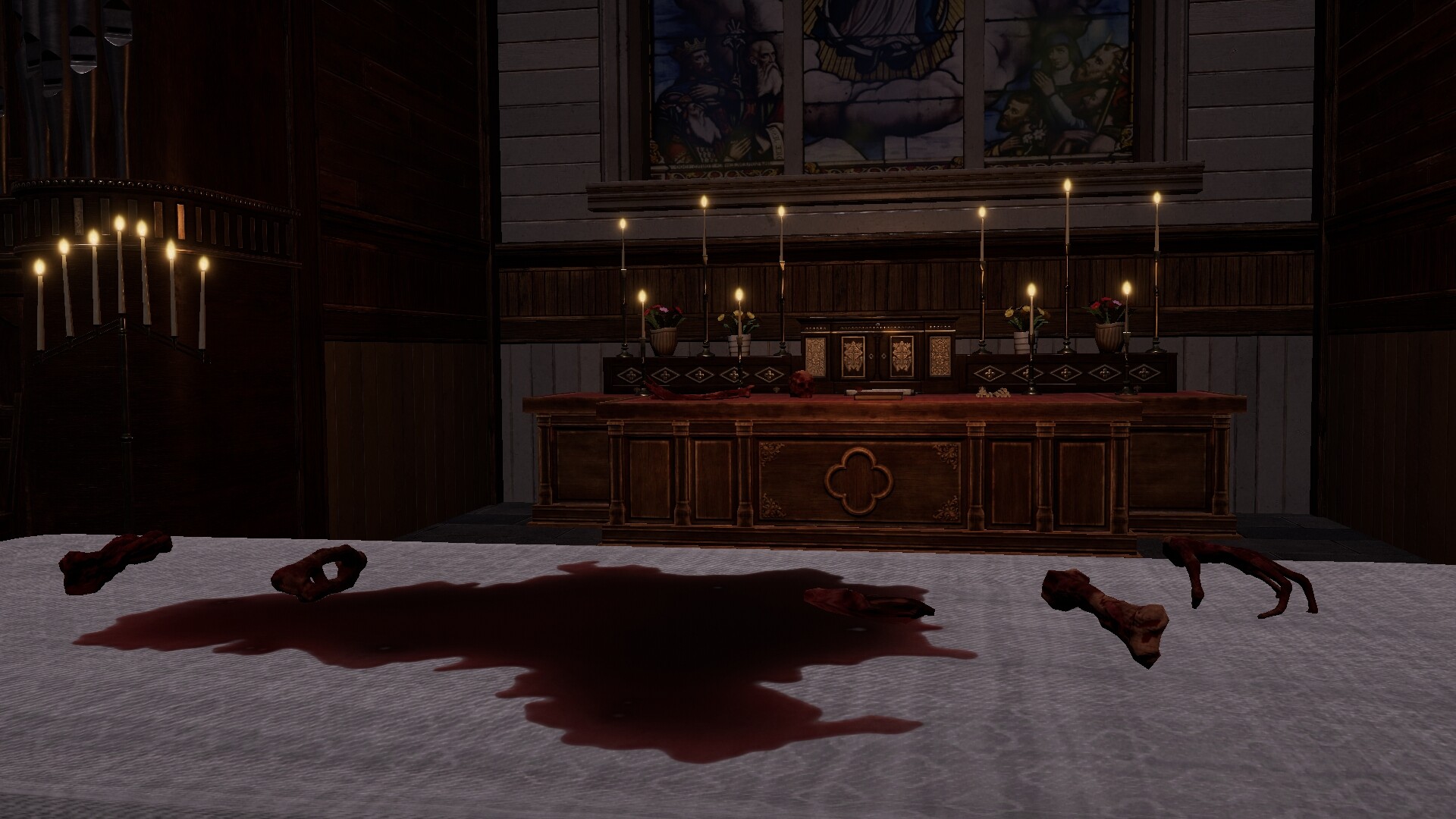
The Steam description positions Trace of the Villa as an atmospheric, narrative puzzle experience: Jin restores power, unlocks hidden compartments and safes, and follows financial and identity traces that suggest the mansion was part of a covert operation. Expect rooms that feel “erased,” staged mid-routine, and a progression where each solved lock or decrypted fragment leads to the next piece of the timeline.
When and where — Steam context
Trace of the Villa released on Steam on 28 May, 2026. The Steam page lists Steadyturtle Co., Ltd. as both developer and publisher and classifies the game under Action, Adventure, Indie with several accessibility and UI categories (including Playable without Timed Input and Subtitle Options).
How you progress — object logic, clue chains, and environmental reading
This is an inspection-first design. Progression is driven by a chain-of-evidence model rather than combat or reaction checks: find manifests and encrypted documents, restore systems to reveal locked compartments, and follow financial trails and falsified identities. Players will repeatedly shift between micro-investigation (examining a desk, a ledger, a safe) and macro-pattern recognition (placing fragments into a timeline). The Steam description implies systems where restoring power or activating devices recontextualizes previously inert props — a deliberate pace that rewards patience and note-taking.

Player scenarios — when you’ll be happiest with Trace of the Villa
- Solo detective nights: you like to pause, re-examine a room and stitch together a narrative from scattered notes and receipts.
- Locked-room thinking sessions: you appreciate sequential, interlocking puzzles where one solution opens another puzzle or reveals a new clue chain.
- Environmental readers: you prefer storytelling that emerges from props, lighting and restored systems rather than explicit cutscenes.
- Puzzle players who dislike timers: the Steam categories include “Playable without Timed Input,” so expect a patient pacing model.
How it compares — short editorial table
Below are concise comparisons on lawful editorial criteria: genre and puzzle focus, atmosphere, exploration style, story tone and ideal player fit.
| Title | Genre / Puzzle focus | Atmosphere / Story tone | Exploration style / Player fit |
|---|---|---|---|
| Trace of the Villa | Action / Adventure / Indie — inspection-heavy, object logic and clue chains | Mansion mystery, slow-burn, psychological investigation | Document- and environment-driven exploration; players who like methodical clue linking |
| The Room | Adventure / Indie — tactile mechanical puzzles and safe/safebox logic | Claustrophobic, occult-tinged mystery | Focused, puzzle-box style play; ideal for players who enjoy single-object, layered mechanical puzzles |
| The Room Two | Adventure / Indie — expanded mechanical puzzles across connected spaces | Cryptic and atmospheric, similar to the original but broader scope | Players who want mechanical puzzle progression across multiple set pieces |
| Escape Simulator | Adventure / Simulation / Indie — highly interactive escape-room sandbox | Varied tones (light to tense) depending on room design | Players who like tactile interaction, physics, and community-made rooms; more playful and experimental than slow narrative mystery |
Deciding whether to wishlist
Wishlist Trace of the Villa if you want an investigative, inspection-led experience that privileges object logic and environmental storytelling over action setpieces. If you prefer puzzle-box mechanics focused on single artifacts, The Room series occupies that niche. If you want fast, physics-rich interaction and community content, Escape Simulator is a different proposition. Use the comparison above to match your preferred puzzle cadence and narrative tone.
YouTube discovery
To see trailers or gameplay footage, use this YouTube search path (search results may include official trailers, gameplay captures, and previews): YouTube search: Trace of the Villa trailer & gameplay.
Steam
View the Steam page for the latest store details and to wishlist: Trace of the Villa on Steam
Editorial note and disclaimer
All descriptive facts in this article are drawn from the Trace of the Villa Steam page and the developer/publisher metadata. Referenced titles and trademarks belong to their respective owners; comparisons here are editorial discovery only, not endorsements.
Leave a Reply