Trace of the Villa: why quiet tension and slow-burn uncertainty matter in psychological horror
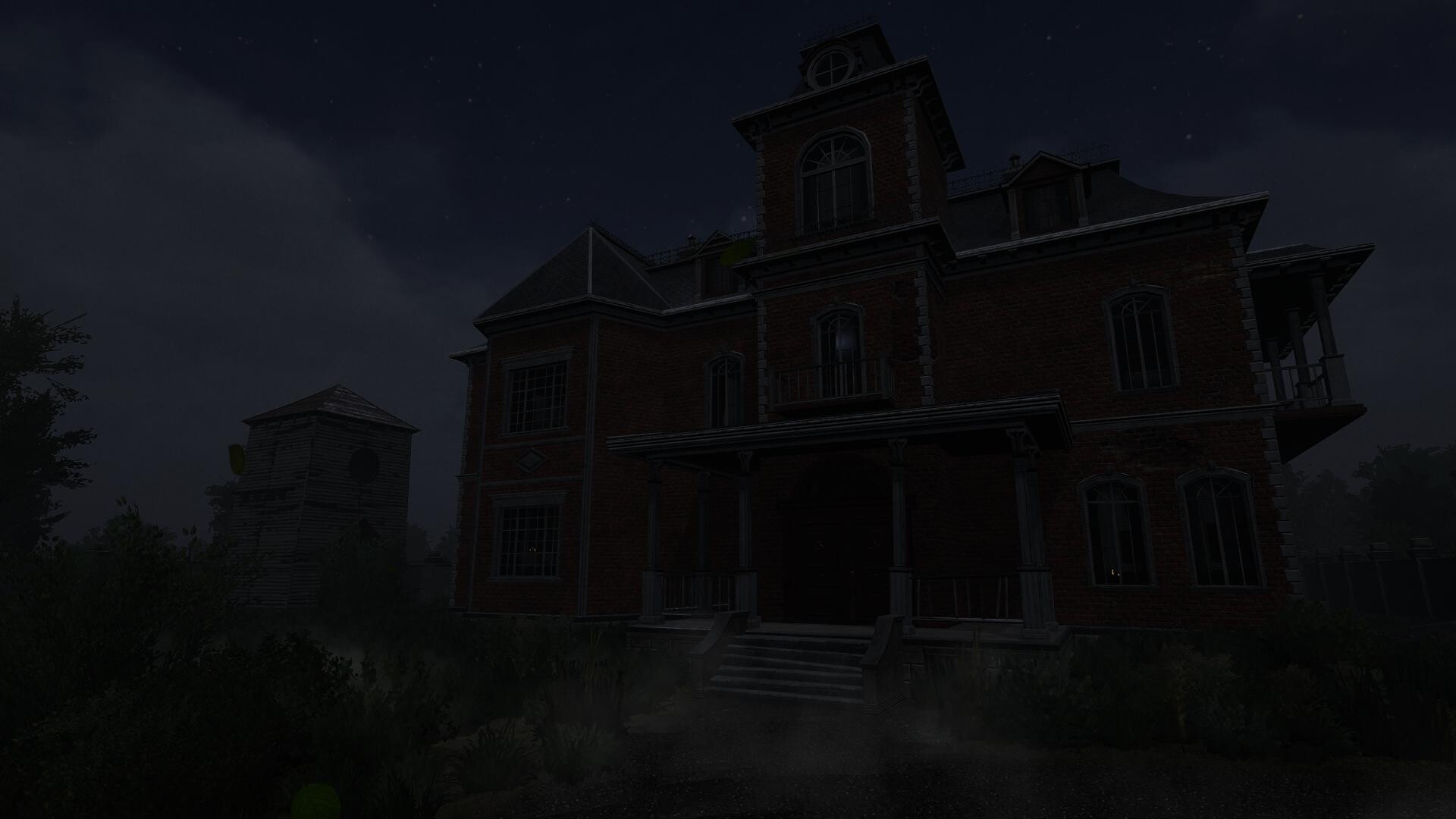
Trace of the Villa frames its unease around the small, specific work of piecing a life back together — Jin’s search for a missing sister — rather than loud shocks. The game trades jump scares for a decaying mansion, locked rooms, and the deliberate patience of environmental storytelling.

Quick facts
| Title | Trace of the Villa |
|---|---|
| Steam appid | 3483660 |
| Release date | 28 May, 2026 |
| Developer / Publisher | Steadyturtle Co., Ltd. |
| Genres | Action, Adventure, Indie |
| Categories | Single-player; Color Alternatives; Custom Volume Controls; Playable without Timed Input; Subtitle Options; Family Sharing |
| Short premise | Jin has spent years searching for his missing sister, pursuing leads that took him to a remote, decaying mansion where he recovered manifests and hints that indicate his sister may still be alive. |
Who this is for
Trace of the Villa suits players who prefer atmospheric mystery adventure and psychological investigation over reflex-based fear. If you value environmental storytelling, methodical clue collection, and puzzle-driven progression — and you like a mansion mystery that unfolds steadily — this title is aimed at that audience.
What the game is
Officially described on Steam as an investigation-driven narrative, Trace of the Villa places you in Jin’s shoes inside a deliberately forgotten mansion. Rooms look lived-in and then erased; restoring power and systems reveals locked compartments, safes and fragments of encrypted documents. The mechanics and tone emphasize exploration, puzzle solving and reconstructing timelines rather than combat or quick-time scare set-pieces.
When and where
Trace of the Villa launched on Steam on 28 May, 2026. It is a PC (Steam) indie release developed and published by Steadyturtle Co., Ltd. The Steam store page lists single-player and accessibility options like subtitle support, color alternatives and custom volume controls.
Why the theme of quiet tension matters
The mansion setting in Trace of the Villa is structured to make absence feel active: the silence becomes a document you can read. That quiet tension — curiosity, unease and the slow accumulation of hints — produces sustained dread and personal stakes in a way repeated shocks cannot. For psychological horror that asks you to interpret fragments (manifests, transaction records, falsified identities) the emotional work is in interpretation; suspense is the result of not knowing, not only of being startled.
How you progress: reading clues and restoring systems
Steam’s official description outlines how progression is built around restoration and investigation. Jin restores power to the estate, which brings systems back online, unlocks hidden compartments and yields encrypted documents and financial trails. Players solve puzzles to unlock safes and decrypt fragments; each solved item reveals another layer of a concealed operation and a timeline of arrivals and departures that lack conventional records. The game ties exploration, puzzle solving and narrative beats tightly — read an object, restore a circuit, then follow the next breadcrumb.
Screenshots

Who should wishlist this on Steam
- Players who prefer slow-burn suspense and narrative puzzle design to combat or timed challenges.
- Fans of mansion mysteries and environmental storytelling who enjoy reconstructing timelines from artifacts.
- Anyone who values accessibility options like subtitles, custom volume controls and the option to play without timed input.
Comparison: how Trace of the Villa sits beside nearby titles
The table below compares Trace of the Villa to a handful of well-known psychological / narrative horror entries by editorial criteria: genre, atmosphere, puzzle & exploration focus, and pacing. This is an editorial discovery comparison, not an endorsement.
| Game | Primary genre | Atmosphere / Tone | Puzzle & exploration focus | Pacing |
|---|---|---|---|---|
| Trace of the Villa | Action · Adventure · Indie | Mansion mystery, personal investigation, restrained dread | Environmental puzzles, restoring systems, decrypting documents | Slow-burn, clue-driven |
| Amnesia: The Dark Descent | Action · Adventure · Indie | Immersive, oppressive survival horror | Discovery and immersion-focused puzzles and stealth elements | Unsettling, deliberately prolonged |
| SOMA | Action · Adventure · Indie | Sci-fi psychological horror, existential | Exploration with narrative puzzles; atmosphere built from systems and environment | Measured, narrative-first |
| Layers of Fear (2016) | Adventure · Indie | Psychological, story-focused, uncanny mansion | Atmospheric puzzles linked to storytelling and changing environments | Variable, often slow with surreal set pieces |
| Poppy Playtime | Action · Adventure · Indie | Tense toy-factory horror with puzzle mechanics | Puzzle-driven exploration with specific gadget mechanics (e.g., GrabPack) | More overtly action-punctuated and tense |
View Trace of the Villa on Steam For trailer and gameplay discovery, use YouTube search rather than relying on unverified embeds: Find Trace of the Villa trailer and gameplay searches on YouTube.YouTube discovery
Leave a Reply