Trace of the Villa — A slow-burn mansion mystery where every recovered document feels like progress
Jin has followed cold leads for years, and Trace of the Villa places you at the edge of one of those trails: a remote, decaying mansion whose manifests and locked systems hint that his missing sister might still be alive. Released on 28 May, 2026 by Steadyturtle Co., Ltd., this Action/Adventure indie asks players to read environments as evidence and treat puzzles as forensic work.

Quick facts
| Title | Trace of the Villa |
|---|---|
| Developer / Publisher | Steadyturtle Co., Ltd. |
| Release date | 28 May, 2026 |
| Genres | Action, Adventure, Indie |
| Categories | Single-player, Color Alternatives, Custom Volume Controls, Playable without Timed Input, Subtitle Options, Family Sharing |
| Steam page | Trace of the Villa on Steam |
Who should wishlist it?
Players who prize atmospheric mystery adventure and clue-driven exploration will find Trace of the Villa appealing. If you prefer narrative puzzles that reward patient examination of rooms, manifests, and encrypted fragments rather than twitch reflexes, this one aligns with that taste — especially given the game’s support for subtitle options and the lack of mandatory timed inputs.
What the game is (and what it isn’t)
Officially described as a journey following Jin’s search for his missing sister, Trace of the Villa starts in a deliberately cut-off mansion. The estate shows signs of past occupancy with an unsettling absence of identity records; when Jin restores power, secured systems and hidden compartments reveal encrypted documents, falsified identities, and suspicious transfer records. That framing sets up a mystery grounded in environmental storytelling and investigative puzzle design rather than action spectacle.
When and where
Trace of the Villa launched on Steam on 28 May, 2026. It’s available through the Steam store page linked above and ships with PC-friendly accessibility features such as color alternatives, subtitle options, and custom audio controls.
Why the theme matters — emotional stakes and narrative curiosity
The core hook is intimate: this is not an abstract conspiracy to be decoded from afar; it’s Jin trying to confirm whether his sister is still alive. That personal drive gives each recovered manifest and encrypted file weight. The mansion’s evidence of erased identities — rooms left as if occupants vanished, names scrubbed from records — raises emotional stakes beyond “what happened here?” to “who counts as a person in whatever operation occurred?” For players who respond to quiet dread, small revelations that complicate motives will hold more resonance than large jump scares.
How you progress — reading the house like a case file
According to official details, progress hinges on restoring systems and unlocking physical and digital hiding places: power restores secured systems, safes yield encrypted fragments, and puzzles open further compartments. The gameplay loop is investigative: inspect, restore, decrypt, and follow the next clue. That structure rewards players who enjoy piecing together timelines from scraps — manifests, transfer records, and faint traces of surveillance — rather than relying on explicit linear storytelling.

Player scenarios — who will enjoy this most
- The methodical detective: You prefer reconstructing events from small items and documents. The mansion’s manifests and safes are built for slow, careful players.
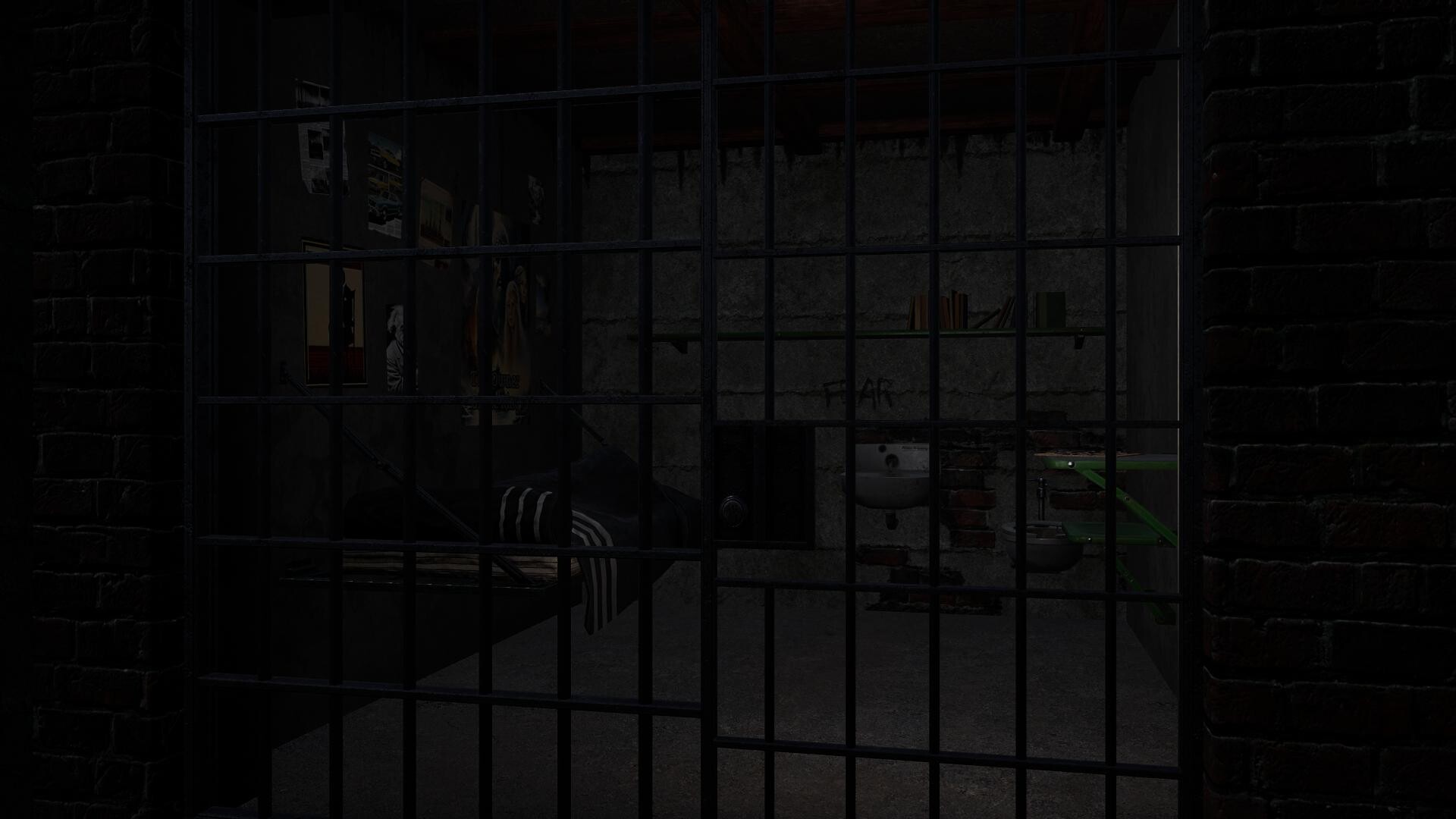
- The atmosphere-first explorer: You play for pacing, mood, and mounting unease. The estate’s sense of erasure and missing identities will sustain slow-burn tension.
- The narrative scavenger: You enjoy piecing together partial narratives and accepting ambiguity. If you like endings that recontextualize earlier clues, this story-led approach will satisfy you.
How Trace of the Villa compares to similar story-rich indie mysteries
Below is a focused editorial comparison based on genre, atmosphere, puzzle focus, exploration style, story tone, and pacing — intended to help you decide which experience fits your preferences.
| Title | Similarities | Key differences | Who might prefer this instead |
|---|---|---|---|
| Inscryption | Dark atmosphere; puzzle/observation-driven moments | Inscryption blends card-based mechanics and meta-horror structure; more structural twists and gameplay hybridity | Players who like mechanical surprises and meta-narrative turns over straightforward environmental investigation |
| Outer Wilds | Mystery-driven exploration and piecing together timelines | Outer Wilds uses open-world cosmic discovery and time-loop mechanics rather than a single-site mansion investigation | Players who want open-ended exploration and systemic puzzles on a planetary scale |
| Journey | Strong emphasis on mood and contemplative pacing | Journey focuses on minimalist, wordless storytelling and movement-based exploration rather than document-driven clues | Players who prioritize emotional, wordless journeys and cooperative moments |
| The Forgotten City | Narrative mystery with moral and investigative choices | The Forgotten City centers time-loop mechanics and dialogic puzzles in an ancient setting; Trace of the Villa is a contained mansion investigation | Players interested in high-concept paradoxes and dialog-heavy moral choices |
| The Medium | Psychological tone and dual-realm atmosphere (echoed sense of unease) | The Medium splits gameplay between realms and emphasizes psychic horror; Trace of the Villa focuses on physical records, encrypted files, and power-restoration mechanics | Players who seek overt psychological horror and dual-reality mechanics |
Practical notes
Trace of the Villa lists accessibility-friendly categories such as Color Alternatives, Custom Volume Controls, Playable without Timed Input, Subtitle Options, and Family Sharing on its Steam page. That combination signals an emphasis on reading, listening, and exploring at your own pace rather than reflex-driven sequences.
Watch and verify
If you want to see trailer footage or gameplay impressions, use this YouTube discovery link as a search path (the search results will surface trailers and player videos but may include unofficial content): Search Trace of the Villa trailers & gameplay on YouTube.
Decide if it fits your shelf
Wishlisting Trace of the Villa makes sense if you value methodical, document-led investigation and a narrative hook grounded in a personal missing-person case. If you crave large-scale exploration systems, card mechanics, or time loops, consider those other titles from the comparison table first. For players who appreciate environmental storytelling and slow-burn suspense inside a single, claustrophobic location, Trace of the Villa is precisely aimed at that audience.
Ready to follow Jin’s trail? Visit the Steam page to wishlist or buy:
Disclaimer: Referenced titles and trademarks belong to their respective owners. Comparisons are editorial discovery only and not endorsements. All factual information in this article is drawn from the official Steam page and provided materials for Trace of the Villa.
Leave a Reply