
Trace of the Villa — an inspection-first mansion mystery for clue-driven players
Trace of the Villa drops you into a remote, decaying mansion where Jin — its protagonist — follows fragmented manifests and encrypted records that might lead to his missing sister. Released on 28 May, 2026 by Steadyturtle Co., Ltd., the game leans on environmental reading, object logic and chained clues rather than action reflexes.

| Title | Trace of the Villa |
|---|---|
| Release date | 28 May, 2026 |
| Developer / Publisher | Steadyturtle Co., Ltd. |
| Genres | Action, Adventure, Indie |
| Steam categories | Single-player; Color Alternatives; Custom Volume Controls; Playable without Timed Input; Subtitle Options; Family Sharing |
| Steam page | Trace of the Villa on Steam |
| Reviews | No user reviews (as listed on Steam) |
Who should wishlist or pick this up?
If you favour slow-burn suspense, atmospheric mystery adventure and methodical clue-chaining, Trace of the Villa is aimed squarely at inspection-first players. The Steam page lists accessibility-friendly touches (subtitle options, color alternatives, custom volume), and the “Playable without Timed Input” tag signals puzzles that reward patience and attention rather than split-second reactions. Add this to your wishlist if you enjoy piecing together a house’s story from objects, locked compartments and readouts rather than combat-focused progression.
What the game is — atmosphere and puzzle tenor
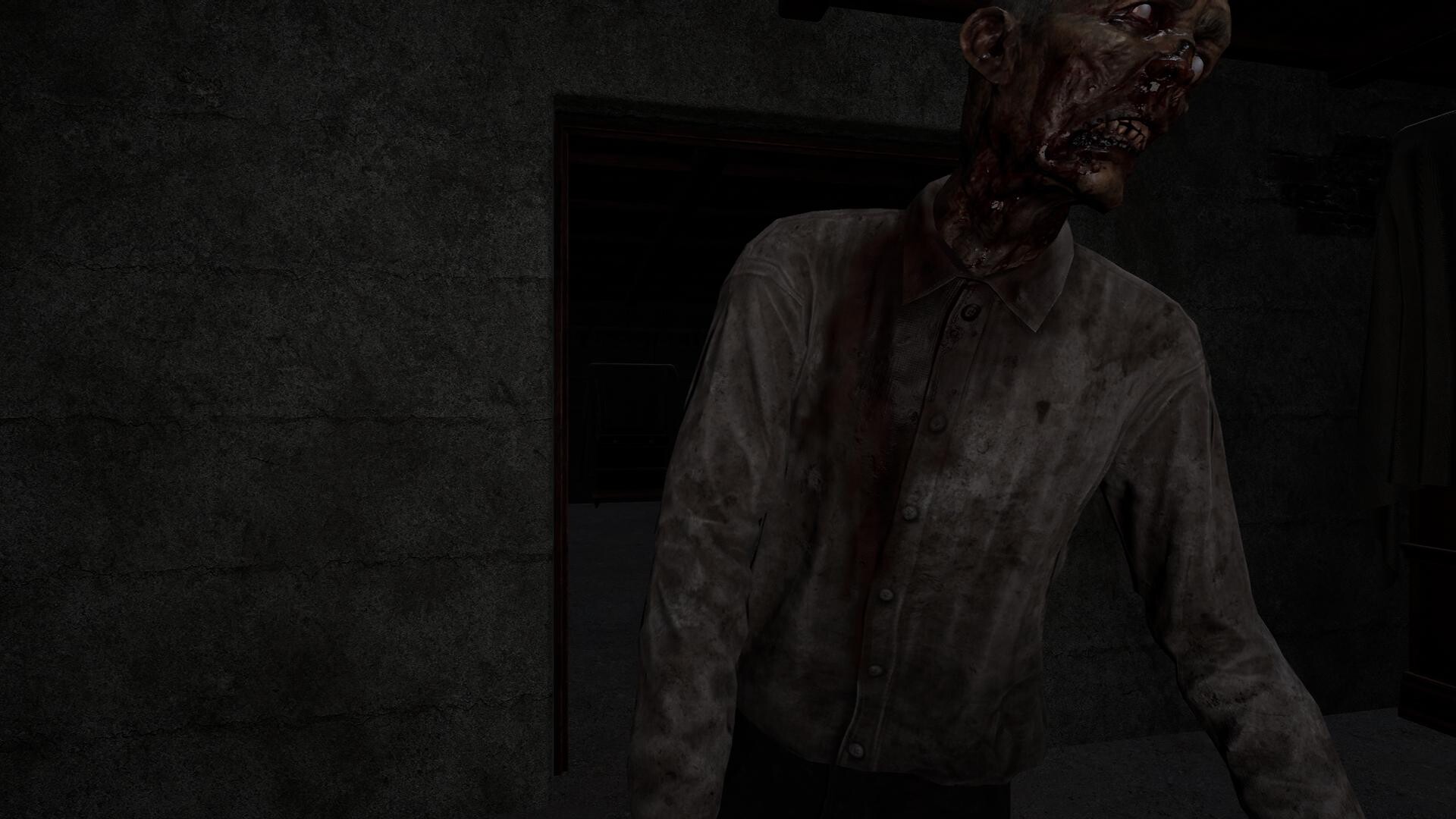
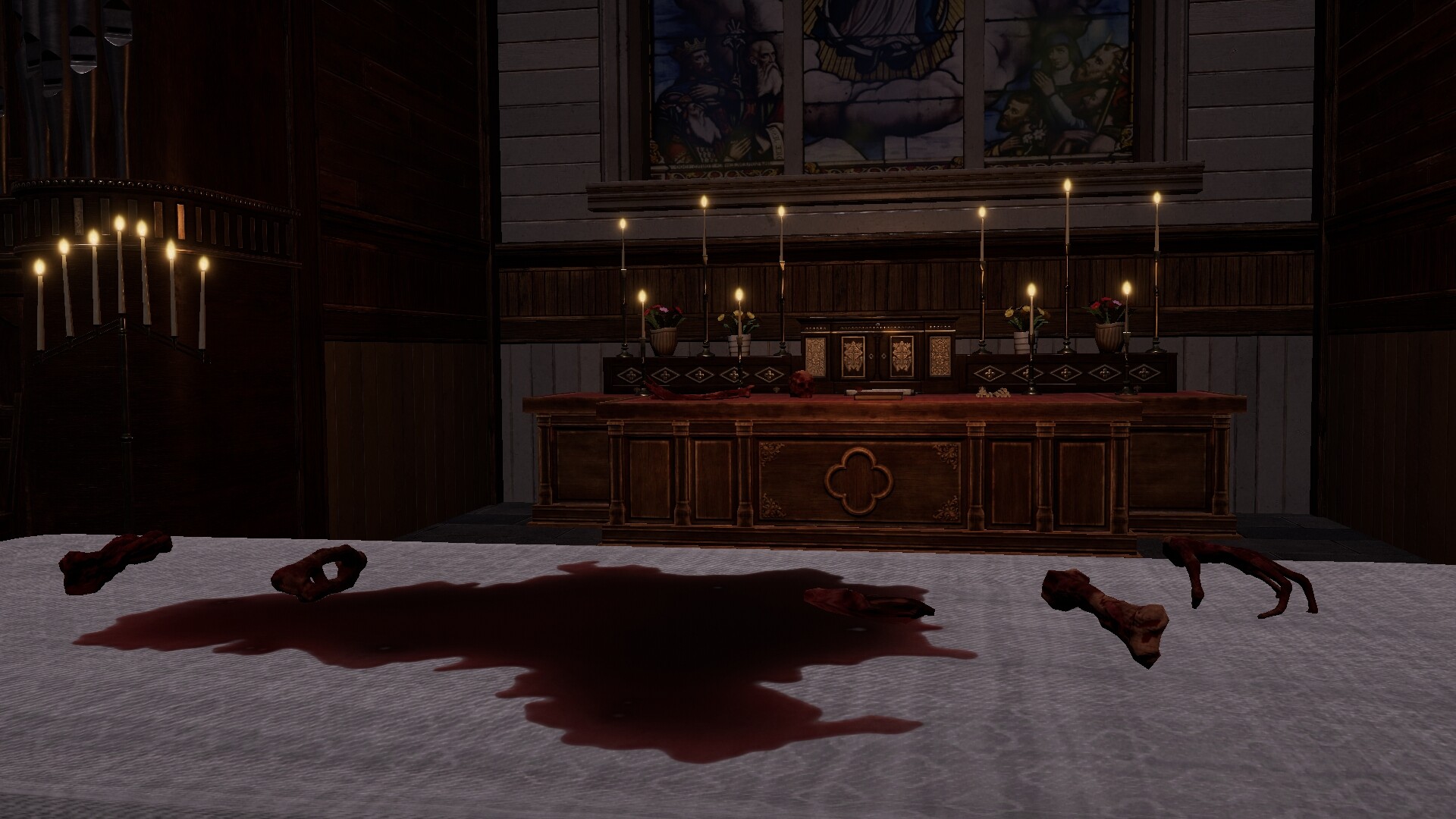
The official Steam description frames the experience as a psychological investigation inside a property that feels “erased”: rooms left mid-routine, identities removed, locked doors and hastily secured secrets. When Jin restores power, “secured systems come back online” and “safes yield fragments of encrypted documents” — language that points to layered, progressively revealed puzzles and environmental storytelling. Those details suggest a game that uses object logic (how items relate and affordances reveal themselves) and environmental puzzles (power, systems, hidden compartments) as its primary mechanics.
When and where to play
Trace of the Villa released on Steam on 28 May, 2026. The Steam product page lists the game as single-player with a set of accessibility and presentation options that help players who prefer inspection-heavy, low-pressure puzzle flow.
Why the mansion setting matters for clue chains
Mansion mysteries work because a confined architecture encourages layered clue design: rooms act as mini-narratives, objects are evidence, and locked doors become milestones in the timeline you build as a player. Trace of the Villa’s premise — a property “cut off from the grid” with falsified identities and financial trails — naturally supports chained puzzles where solving one lock or reactivating a circuit reveals the next piece of the investigation. That design rewards players who read environments like documents: curtains left closed, a bank transfer record in a drawer, a powered console with a partial log.
How you progress — inspection, object logic, and environmental readouts
The Steam text makes clear the progression model is investigative: restore power, bring systems back online, unlock hidden compartments, and extract fragments of encrypted documents. In practice that implies three linked behaviors you should be comfortable with:
- Close inspection: searching shelves, safes and terminals for micro-details that serve as keys or codes.
- Object logic: using item affordances and contextual relationships — how a repaired circuit might make a locked cabinet reveal a ledger — rather than randomized trial-and-error.
- Environmental reading: interpreting staged rooms and unattended belongings as narrative evidence that steers which leads you follow next.
Those elements combine into clue chains: each solved device or decrypted fragment should prompt new questions and open previously inaccessible spaces, creating a layered investigative rhythm rather than a sequence of isolated riddles.
Specific player scenarios — will you enjoy it?
Scenario A: You like The Room-style mechanical puzzles
You enjoy tactile puzzle objects and deliberate puzzle boxes. Expect a similar pleasure from object logic here, though Trace of the Villa layers those mechanics into a broader narrative investigation rather than purely standalone boxes.
Scenario B: You want inspection-first escape-room play
If you enjoy Escape Simulator’s emphasis on examining everything and interacting with the environment, Trace of the Villa aims for the same inspection-heavy loop but within a single, story-driven mansion rather than modular rooms or community maps.
Scenario C: You want fast action or rhythm-based systems
Players looking for Hi-Fi RUSH’s beat-driven action or high-tempo combat should expect very different pacing here. Trace of the Villa is about atmosphere and stepwise discovery rather than combat choreography.
Compact comparison — how Trace of the Villa stacks up editorially
| Title | Genre | Atmosphere | Puzzle focus | Exploration style | Pacing |
|---|---|---|---|---|---|
| Trace of the Villa | Action / Adventure / Indie | Mansion mystery; erased identities; slow-burn suspense | Object logic, environmental puzzles, encrypted document fragments | Single-location mansion; layered reveals as systems are restored | Inspection-heavy, deliberate |
| The Room | Adventure / Indie | Cabinet-box, claustrophobic curiosity | Mechanical puzzle box focus (closely examined objects) | Room/box-centric; tactile interaction | Measured, puzzle-by-puzzle |
| The Room Two | Adventure / Indie | Creepy, cryptic halls and pedestal puzzles | Mechanical and object puzzles embedded in set pieces | Series of connected locations with escalating mysteries | Slow, atmospheric |
| Escape Simulator | Adventure / Casual / Indie / Simulation | Playful to tense (depends on room) | Highly interactive; pick up, examine and combine many items | Room-based escape experiences, many user-made maps | Variable — can be fast or methodical |
Leave a Reply