
Trace of the Villa — an escape-room style mansion mystery driven by power, safes, and documents
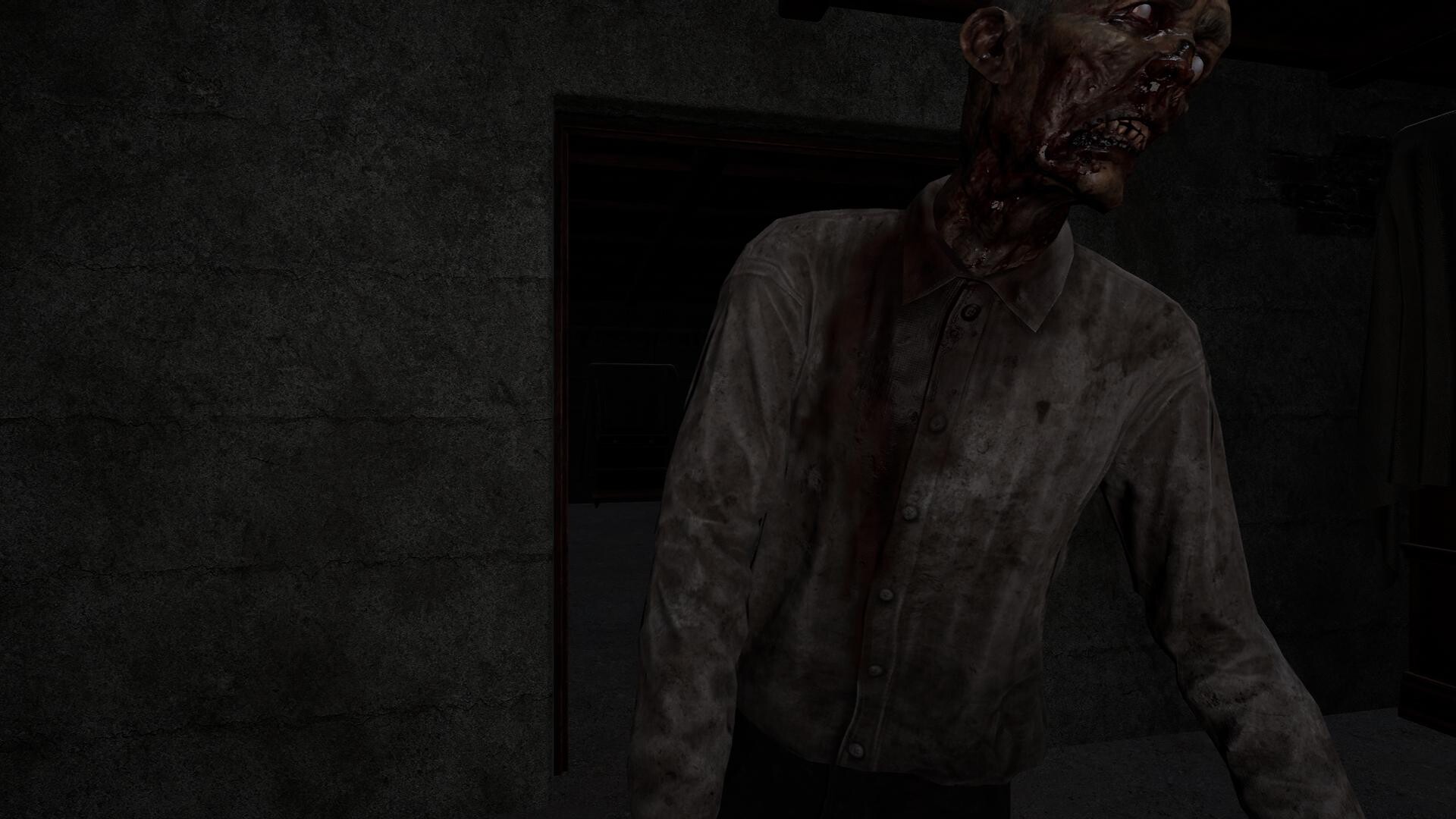
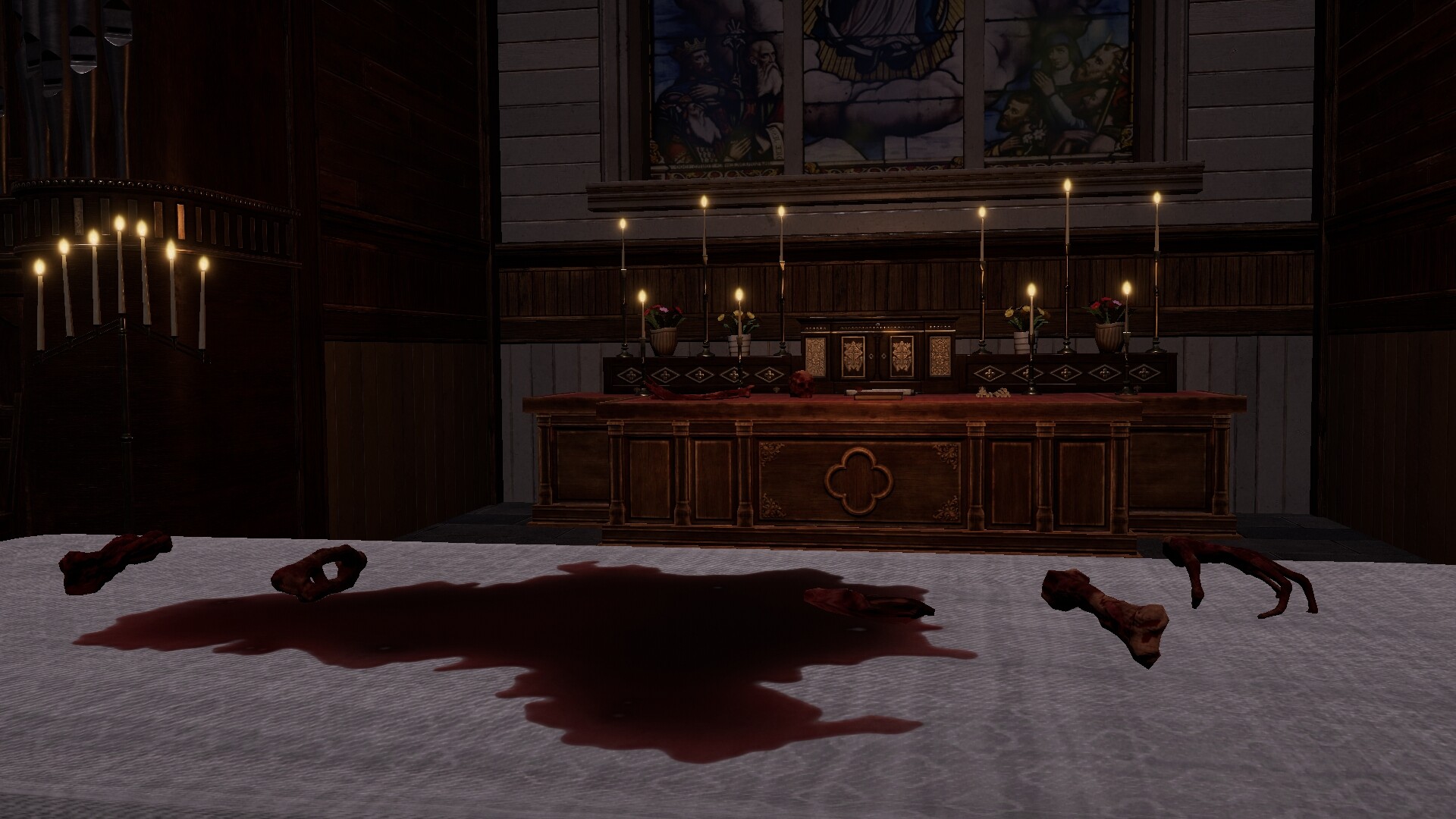
Trace of the Villa drops you into a decaying, off-grid mansion where Jin — a man searching for his missing sister — slowly restores power and uncovers secured systems, safes, and fragments of encrypted documents. The game pairs locked-room thinking with environmental reading and chainable clues to map a trail of falsified identities and suspicious transfers.

Who this is for
Players who prefer slow-burn suspense, environmental storytelling, and clue-driven exploration over action setpieces. If you like detective work that rewards careful observation, chaining clues across rooms, and reading systems (power, safes, documents) to unlock narrative beats, this is aimed at you. The Steam page lists the title under Action, Adventure, Indie and notes categories like Single-player, Playable without Timed Input, and Subtitle Options — useful signals for solo PC players who want an unhurried, readable mystery.
What the game is
Trace of the Villa follows Jin as he follows a lead to a remote, deliberately forgotten mansion. Official text explains that restoring power to the estate is the turning point: once systems are back online, hidden compartments open, secured systems reveal themselves, safes yield fragments of encrypted documents, and suspicious transfer records appear. Those recovered manifests and hints suggest Jin’s sister may still be alive somewhere at the end of the trail.
When and where (Steam / PC)
Trace of the Villa released on Steam on 28 May, 2026. It is developed and published by Steadyturtle Co., Ltd. The Steam store lists the game’s genres as Action, Adventure, Indie and includes accessibility/UX categories such as Color Alternatives, Custom Volume Controls, Playable without Timed Input, Subtitle Options, and Family Sharing.
Why the premise matters — power, systems, safes, documents
The official premise centers on restoring infrastructure to reveal story content. That framing makes the mansion itself a puzzle machine: power is both a gating mechanic and a storytelling device. Re-energizing systems brings locked components back into play, safes reveal partial, encrypted documents, and those documents point at financial and identity irregularities. For players who enjoy narrative puzzles built out of forensic fragments rather than overt exposition, that structure keeps the investigation tactile and methodical.
How you read clues and progress
Progression, as described on Steam, is less about single-key solutions and more about chains: restoring power unlocks secured systems; secured systems yield access to compartments and safes; safes produce fragments of encrypted documents and transfer records; those fragments connect rooms, timelines, and identities. Environmental reading — noticing staged rooms, missing photographs, and objects that imply erased identities — combines with documentary evidence to form the clue chains that move Jin’s investigation forward.
- Locked-room thinking: treat each room as a node that either hides or supplies links to other nodes.
- Clue chains: documents and transfer records act as connective tissue between disparate discoveries.
- Systems-first puzzles: power and systems restoration are explicit mechanics in the official description.
Compact facts — Trace of the Villa
| Title | Trace of the Villa |
|---|---|
| Release date | 28 May, 2026 |
| Developer / Publisher | Steadyturtle Co., Ltd. |
| Genres | Action, Adventure, Indie |
| Key categories | Single-player; Color Alternatives; Custom Volume Controls; Playable without Timed Input; Subtitle Options; Family Sharing |
| Short premise | Jin searches a remote, decaying mansion, restoring power to reveal safes, secured systems, and documents that hint his sister may still be alive. |
| Steam store | View on Steam |
Player scenarios — who should wishlist this
- Evidence-first detectives: You enjoy assembling partial documents, transaction records, and falsified identities into a coherent timeline.
- Environmental readers: You prefer games that hide context in staged rooms and object placement rather than explicit exposition.
- Slow-burn explorers: You like methodical pacing, no pressure timed inputs (Steam lists Playable without Timed Input), and accessible UI options like subtitles and custom volume controls.
- Single-player story addicts: If you play alone and want an immersive mansion mystery with investigative beats, this aligns with that preference.
How it compares — editorial comparison
Below is a compact editorial comparison based on lawful criteria: genre, atmosphere, puzzle focus, exploration style, story tone, and pacing. This is comparative discovery, not endorsement.
| Title | Release date | Genre / Core focus | Atmosphere & Pacing | Puzzle & Exploration style | Player fit |
|---|---|---|---|---|---|
| Trace of the Villa | 28 May, 2026 | Action / Adventure / Indie — systems-driven investigation | Mansion mystery, slow-burn, investigative | Systems restoration, safes, fragmented documents, environmental clue chains | Players who like methodical environmental storytelling and forensic puzzles |
| The Room | 28 Jul, 2014 | Adventure / Indie | Claustrophobic puzzle rooms with tactile, focused pacing | Mechanical safes and layered puzzle boxes; single-room puzzle design | Fans of tightly constructed single-chamber puzzles and tactile puzzles |
| The Room Two | 5 Jul, 2016 | Adventure / Indie | Expands the original’s mood over interconnected spaces; deliberate pacing | Complex puzzle boxes across linked environments | Players who liked The Room and want larger-scale interconnected puzzles |
| Escape Simulator | 19 Oct, 2021 | Adventure / Casual / Indie | Variable — community rooms range from short and playful to dense |
Leave a Reply