
Who should consider Trace of the Villa after enjoying atmospheric mystery adventures?
Trace of the Villa is a slow-burn, mansion-set mystery that leans on environmental storytelling, encrypted documents, and locked safes to push a personal investigation forward. If you prioritize mood, methodical clue gathering, and puzzle-led exploration over combat spectacle, this Steam release could fit your wishlist.

Quick facts
| Title | Trace of the Villa |
|---|---|
| Release date | 28 May, 2026 |
| Developer / Publisher | Steadyturtle Co., Ltd. |
| Genres | Action, Adventure, Indie |
| Steam categories | Single-player; Color Alternatives; Custom Volume Controls; Playable without Timed Input; Subtitle Options; Family Sharing |
| Official premise | “Jin has spent years searching for his missing sister, pursuing leads that took him to a remote, decaying mansion where he recovered manifests and hints that indicate his sister may still be alive…” (official short description) |
| Steam page | Visit Trace of the Villa on Steam |
Who, what, when, where, why, and how — a short editorial guide
Who it is for
Players who enjoy patient, atmospheric mystery adventures—those who prefer following documents, restoring systems, and unlocking small revelations room by room—will be the best fit. The game centers on a lone protagonist, Jin, and a personal investigation that unfolds inside a decaying, off-grid mansion.
What the game is
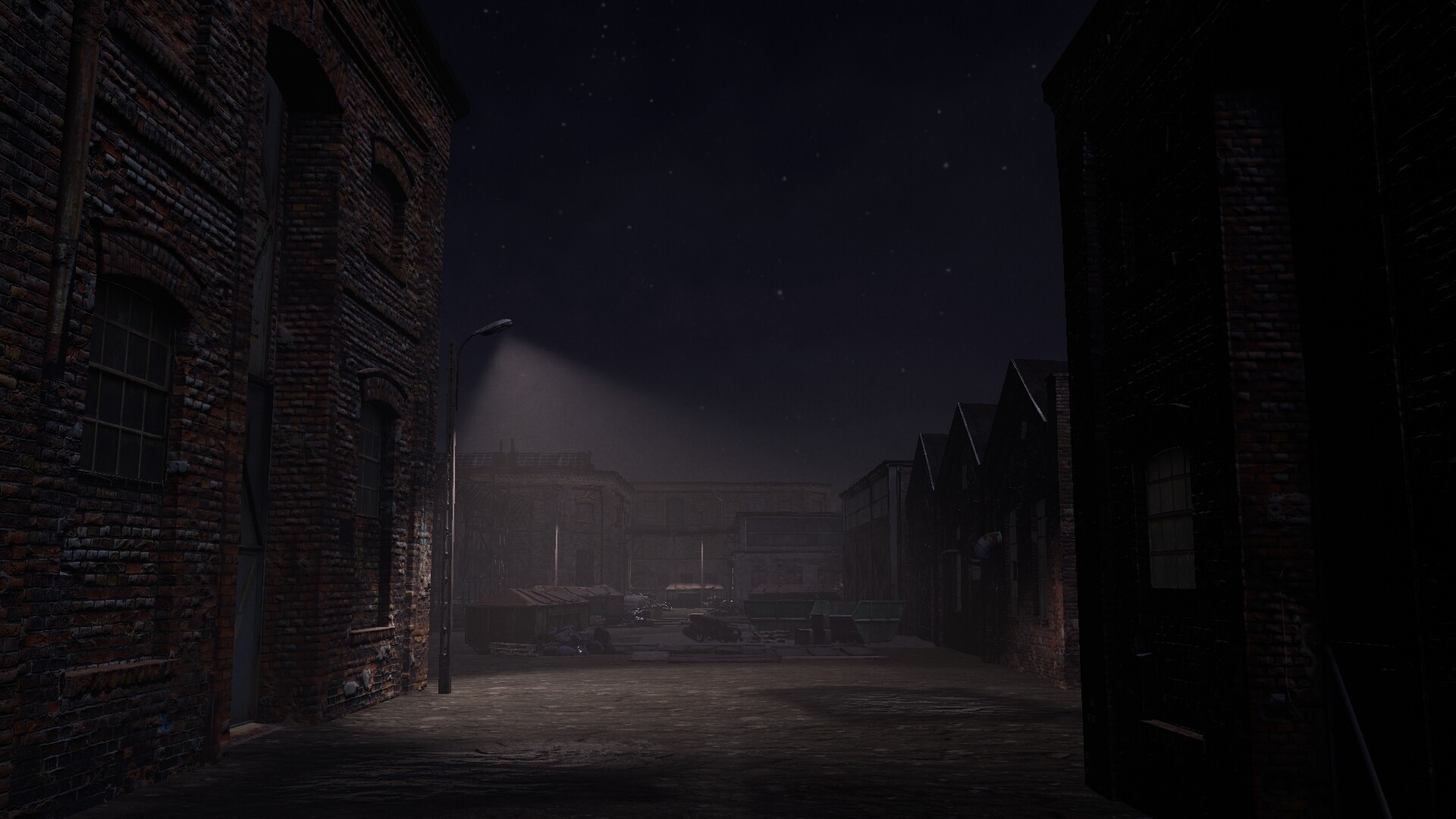
Trace of the Villa is presented on Steam as an action-adventure indie with a story-driven mystery core. The official description frames the experience as a narrative investigation: a mansion that feels “less abandoned than erased,” with locked doors, safes, encrypted documents, and falsified identities that form the trail Jin must follow.
When and where
Trace of the Villa was released on Steam on 28 May, 2026. It appears on the Steam store as a PC title with single-player support and accessibility options listed on the product page.
Why the theme matters
The game trades jump-scare shock for slow revelation. The mansion setting is used as a forensic space: restored power and reactivated systems are narrative devices that let the house gradually reveal layers of a concealed operation—financial trails, falsified identities, and other small forensic fragments. That focus on evidence, rather than spectacle, shapes the tone.
How you read clues and progress
According to the official description, progression is anchored to investigative actions: restoring power, accessing secured systems, opening hidden compartments, and decrypting documents and transfer records. Each solved puzzle or unlocked safe reveals new narrative threads rather than simply gating combat or traversal—so expect a loop of exploration → discovery → puzzle solving → narrative payoff.
Which players should wishlist Trace of the Villa?
- Investigative players who enjoy piecing together encrypted records, safes, and administrative traces as sources of story.
- Fans of slow-burn atmosphere and environmental storytelling over constant action or timed mechanics—the game lists “Playable without Timed Input.”
- Players who appreciate accessibility and customization (color alternatives, custom volume controls, subtitles are listed on Steam).
- Anyone who likes single-player narrative adventures with a clear personal stake at the center of the mystery (searching for a missing sibling is the established premise).
How Trace of the Villa compares (tone, pacing, clues, exploration)
The following comparison is editorial and descriptive—intended to help you decide whether Trace of the Villa aligns with games you’ve previously enjoyed. It uses publicly available descriptions of each title to compare tone, pacing, puzzle focus, and exploration style.
| Title | Primary tone / setting | Pacing | Clue / puzzle focus | Exploration style |
|---|---|---|---|---|
| Trace of the Villa | Decaying mansion, forensic mystery; personal investigation (Jin searching for his sister) | Methodical, slow-burn | Encrypted documents, safes, secured systems, financial trails | Room-by-room environmental storytelling and system restoration |
| Amnesia: The Dark Descent | Immersive first-person survival horror; nightmarish atmosphere | Often tense and survival-paced | Discovery-driven but survival mechanics amplify urgency | First-person exploration with a strong emphasis on immersion and threat avoidance |
| SOMA | Sci-fi horror set below the Atlantic; existential tone | Steady, often contemplative with moments of tension | Story and environment produce philosophical clues more than mechanical puzzles | Exploration of complex, atmospheric locations with narrative beats |
| Layers of Fear (2016) | Psychological horror, ever-shifting Victorian mansion; artist’s descent | Unstable, narrative-driven pacing that can distort space and expectation | Puzzles are woven into shifting environments and story revelations | Surreal, changing spaces that reframe exploration as a narrative device |
| The Room | Mysterious, focused on mechanical puzzle safes and tactile objects | Measured, puzzle-centric | Intricate physical puzzles and lock mechanics are central | Contained, singular-location puzzle exploration |
| Rusty Lake Hotel | Dark, eerie point-and-click hotel mystery | Puzzle-focused with short episodic pacing | Point-and-click puzzles with surreal narrative beats | Room-based, chapter-like exploration |
Player scenarios — concrete examples of who might enjoy this
- Scenario A: You finished Layers of Fear and wanted another mansion experience that prizes forensics over hallucination. Trace of the Villa offers structured evidence-gathering (power restoration, encrypted files) rather than an ever-shifting house mechanic.
- Scenario B: You liked The Room’s focus on safes and mechanical puzzles but want a wider narrative and a larger environment to explore. Trace of the Villa pairs safes and encrypted records with a mansion-spanning story.
- Scenario C: You appreciate SOMA’s contemplative pacing but prefer a grounded, contemporary investigation set in a remote estate rather than a sci‑fi setting. Trace of the Villa keeps the mystery human and investigative.
- Scenario D: You value accessibility features and single-player pacing that isn’t dependent on timed inputs—Trace of the Villa explicitly lists subtitle options, custom volume controls, and “Playable without Timed Input.”

YouTube discovery
For trailer and gameplay discovery, use YouTube search rather than relying on unverified embeds: Find Trace of the Villa trailer and gameplay searches on YouTube.
Leave a Reply