
Trace of the Villa — a locked-mansion mystery built around power, doors, and evidence
Trace of the Villa stages its slow-burn mystery inside a decaying, off-grid mansion where Jin’s search for his missing sister forces a player to restore systems, open sealed spaces, and piece together financial and identity traces. Gameplay leans on locked-room thinking and environmental reading: bring the lights back, and the house starts to give up its carefully erased past.

Who this is for
If you prioritize environmental storytelling, methodical investigation, and puzzle chains that hinge on unlocking physical and digital spaces, Trace of the Villa is aimed at you. Players who enjoy atmospheric mystery adventure and psychological investigation — those who prefer reading a scene and assembling a timeline over twitch reflexes — will find the design language familiar and rewarding.
What the game actually is
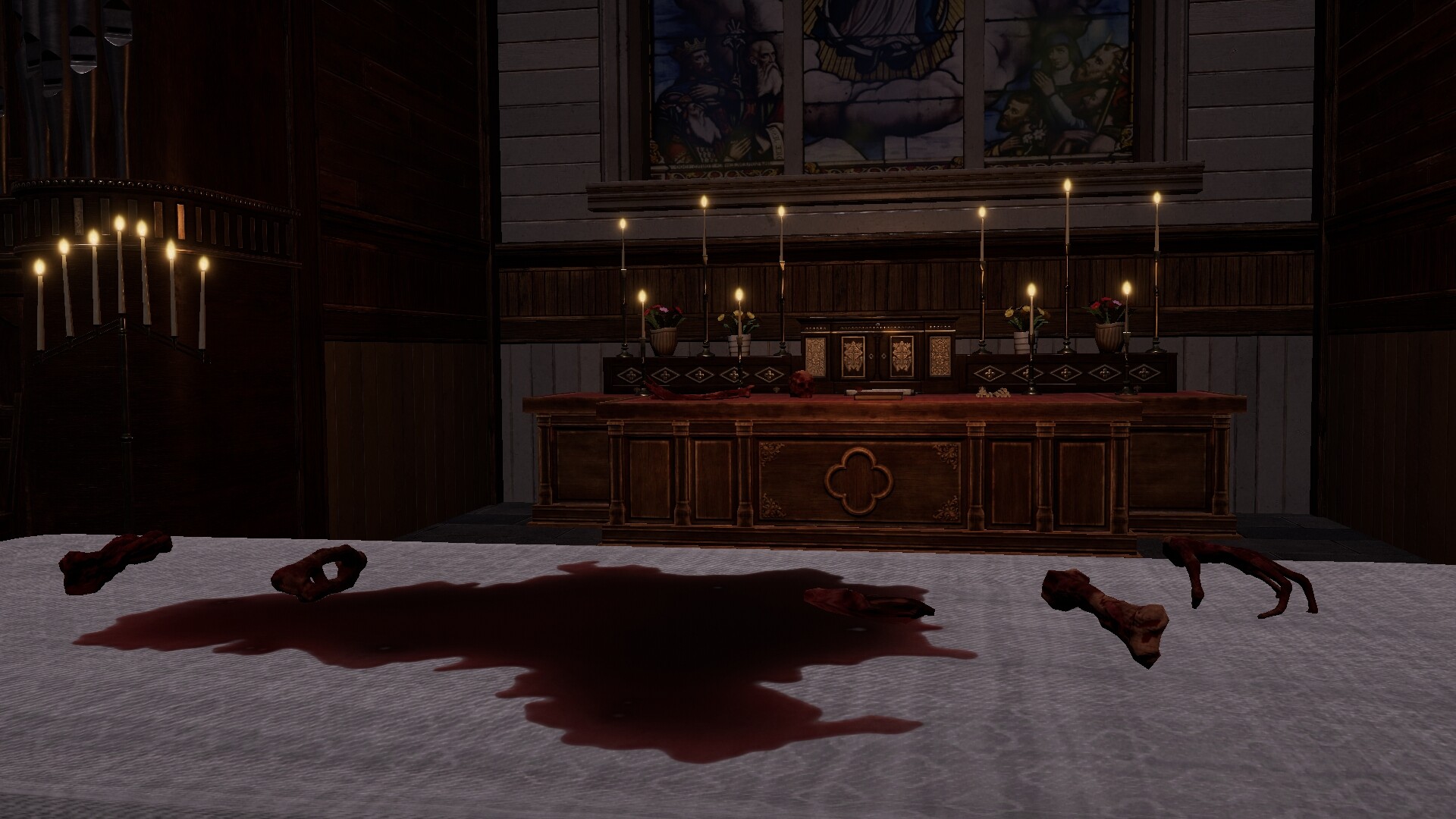
Trace of the Villa is an Action/Adventure indie on Steam developed and published by Steadyturtle Co., Ltd. The official short description frames the story plainly: Jin has spent years searching for his missing sister and follows a lead to a remote, decaying mansion where manifests and hints suggest she may still be alive. The longer official description emphasizes a property cut off from the grid, rooms left as if occupants vanished mid-routine, locked doors, secured systems, safes, encrypted documents, and falsified identities — all revealed progressively as Jin restores power and access.

When and where
Trace of the Villa released on 28 May, 2026 and is available on Steam for PC. It is listed as single-player and carries accessibility and UI options such as Color Alternatives, Custom Volume Controls, Playable without Timed Input, and Subtitle Options.
Why the theme — restoring power, unlocking spaces, reconstructing evidence — matters
Locked-room thinking is core to detective-style puzzles because it forces the player to treat space, resources, and sequence as evidence. In Trace of the Villa, restoring power is not just a set dressing: it’s the primary trigger for changing the mansion’s state. Systems coming back online both expand your interactive map and reveal new physical and documentary clues (safes, encrypted manifests, suspicious transfers). That loop turns rooms into clue nodes rather than set pieces, rewarding careful environmental reading and logical chaining over brute forcing solutions.
How you read clues and progress — the gameplay loop
Gameplay centers on a simple but satisfying loop:
- Restore power or reactivate a subsystem to change the environment.
- Examine newly accessible spaces for documents, safes, or mechanisms.
- Use recovered manifests and fragments to decrypt patterns, follow financial trails, or match identities.
- Open the next locked door or compartment and repeat — each unlock yields another layer of the operation concealed at the estate.
Because many discoveries come from systems reactivating, progression emphasizes sequencing and backtracking with purpose: you don’t just “find” a key, you bring the house back to life and let it reveal where the key should be. The story framing — Jin searching for his missing sister — keeps those discoveries grounded in a personal timeline rather than abstract puzzle showcases.
Compact facts — Trace of the Villa
| Title | Trace of the Villa |
|---|---|
| Steam AppID | 3483660 |
| Release date | 28 May, 2026 |
| Developer / Publisher | Steadyturtle Co., Ltd. |
| Genres | Action, Adventure, Indie |
| Key categories / features | Single-player; Color Alternatives; Custom Volume Controls; Playable without Timed Input; Subtitle Options; Family Sharing |
| Premise (official short) | Jin has spent years searching for his missing sister and follows a lead to a remote, decaying mansion where manifests and hints indicate she may still be alive. |
How it compares — practical editorial table
| Title | Core puzzle focus | Atmosphere & tone | Playstyle fit | Notable difference vs Trace of the Villa |
|---|---|---|---|---|
| The Room | Tactile mechanical puzzles and layered safes | Claustrophobic, antique oddities | Single-player, slow, object-focused puzzle solving | More box-and-mechanism puzzle design; less emphasis on environmental systems and narrative evidence chains |
| The Room Two | Expanded tactile puzzles set across multiple scenes | Mysterious, cryptic—keeps the same intimate puzzle tone | Single-player, puzzle-driven exploration | Continues tactile focus; not centered on restoring infrastructure or financial/identity reconstruction |
| Escape Simulator | Highly interactive escape-room mechanics, community rooms, physics interactions | Playful to tense depending on room; sandboxy | Solo or co-op, hands-on interaction, supports editors and user content | More emphasis on physics interaction and co-op/creator community, less on a single narrative timeline revealed by reactivating systems |
| Hi‑Fi RUSH | Action and rhythm-based combat and traversal | High-energy, stylized, musical | Action players who like rhythm-synced gameplay | Genre and pacing are fundamentally different — action rhythm vs slow-burn investigative exploration |
Player scenarios — who should wishlist it
- The methodical investigator: You like tracking timelines, matching documents, and following breadcrumb trails across rooms. Restore systems and treat each new readout as evidence.
- The environmental reader: If you prefer story delivered through arranged spaces — furniture, absent photographs, sealed safes — this game’s mansion-as-evidence approach will click.
- The slow-burn atmosphere fan: You want suspense that unfolds over hours rather than instant scares; you enjoy patience and piecing sequences together.
- Not for you if: you need fast action, competitive multiplayer, or highly replayable sandbox tools — Trace of the Villa is focused on a single-player narrative investigation and puzzle progression.
YouTube discovery
If you want to see trailers or gameplay snippets, search YouTube for Trace of the Villa using this query path: https://www.youtube.com/results?search_query=Trace+of+the+Villa+trailer+gameplay. This link points to discovery results; individual videos may be official or community-captured.
Deciding note: Trace of the Villa trades immediate puzzle spectacle for a layered investigative rhythm: reactivate the estate and let its systems map out the next mystery. If you value locked-room logic, environmental storytelling, and reading documents and manifests to reconstruct a timeline, this is worth adding to your Steam wishlist.
View Trace of the Villa on Steam
Referenced titles and trademarks belong to their respective owners; comparisons above are editorial discovery only and not endorsements.
Leave a Reply