
Trace of the Villa — a mansion’s silence as a story engine
Trace of the Villa asks players to read absence as evidence: Jin arrives at a cut-off, decaying mansion and recovers manifests and fragments that suggest his missing sister might still be alive. The game stages its mystery through environmental storytelling, restored systems, and clue-driven exploration that gradually reveals a hidden operation beneath the estate’s quiet rooms.

Quick facts
| Title | Trace of the Villa |
|---|---|
| Developer / Publisher | Steadyturtle Co., Ltd. |
| Release date | 28 May, 2026 |
| Steam AppID | 3483660 |
| Genres | Action, Adventure, Indie |
| Key Steam categories | Single-player; Color Alternatives; Custom Volume Controls; Playable without Timed Input; Subtitle Options; Family Sharing |
| Official short premise | “Jin has spent years searching for his missing sister… a remote, decaying mansion where he recovered manifests and hints that indicate his sister may still be alive, somewhere at the end of the trail he is about to follow.” |
Who should wishlist this
- Players who favor atmospheric mystery adventure and slow-burn suspense over overt jump scares.
- Fans of environmental storytelling who enjoy reconstructing lives from objects, documents, and powered-up systems.
- Explorers who appreciate narrative puzzle design where restoring power and accessing locked systems reveal the next layer of story.
- PC players who prefer single-player, story-first experiences without demanding timed input (a Steam category the game supports).
What the game is
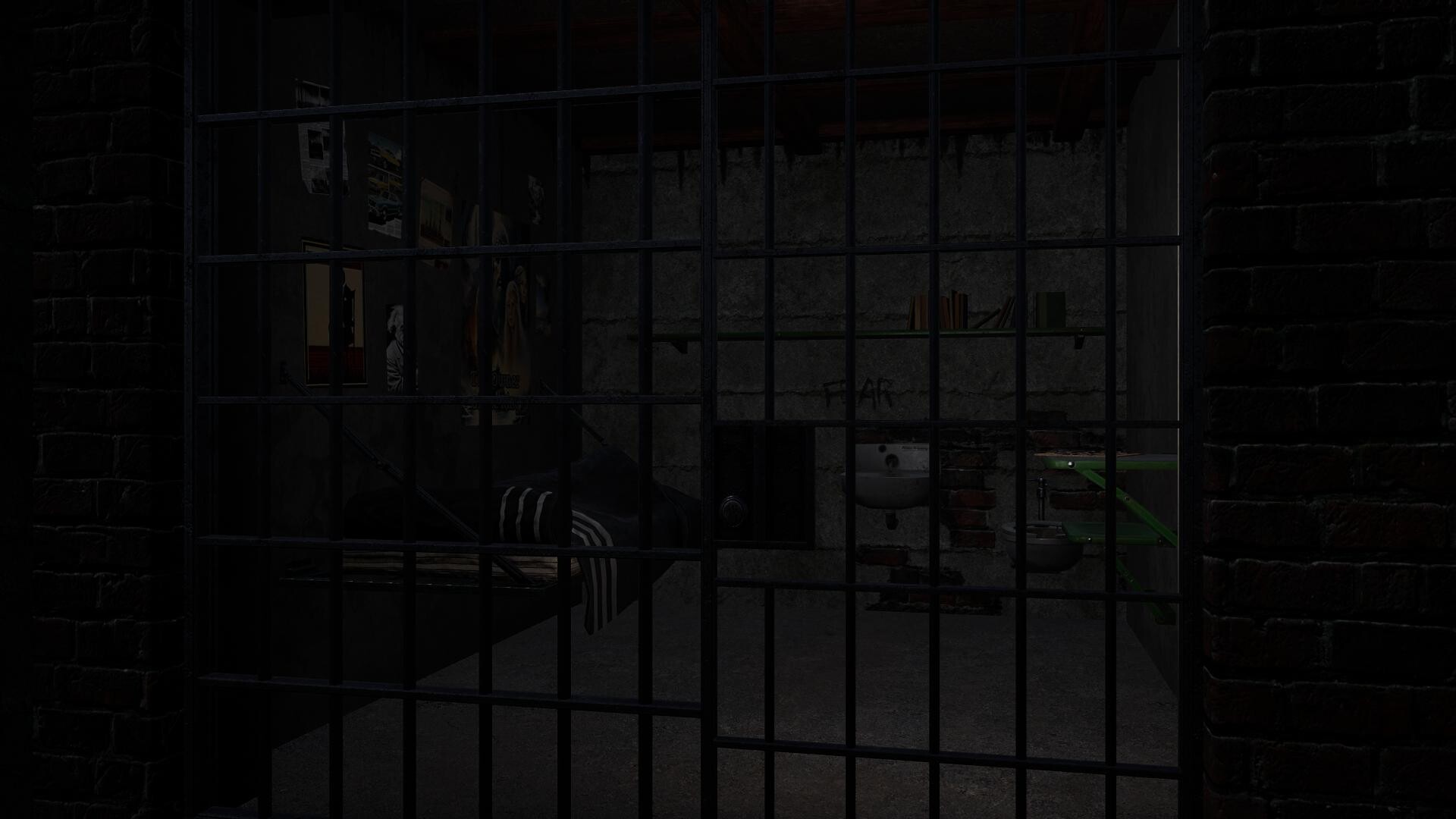
Trace of the Villa is a story-driven adventure from Steadyturtle Co., Ltd. that centers on Jin’s investigation of a deliberately forgotten mansion. According to the official description, the house feels “less abandoned than erased”: rooms look like people vanished mid-routine, personal effects remain but names and photos are missing, and secured systems hide fragments of encrypted documents and suspicious transfer records. The narrative unspools as Jin restores power, accesses safes and systems, and pieces together a timeline that hints at a larger operation behind the property.

When and where — Steam context
Trace of the Villa launched on Steam on 28 May, 2026 and is listed under Action / Adventure / Indie. The Steam listing includes accessibility and comfort categories such as Subtitle Options, Color Alternatives, and Playable without Timed Input.
Why the theme matters: narrative curiosity and hidden backstory
Games that ask players to reconstruct a life from its absence turn curiosity into the primary gameplay loop. In Trace of the Villa, absence is a clue: missing photographs, falsified identities, and financial records that point nowhere are stylistic choices that push players from passive observers to active investigators. The story-first mystery design matters because it lets the mansion’s physical design and locked systems do the storytelling—each restored circuit, decrypted fragment, or opened safe is both a puzzle and a narrative beat.
How you uncover meaning — the investigative rhythm
The official description outlines concrete systems you’ll interact with: restoring power to the estate, finding hidden compartments, unlocking safes, and reading manifests and encrypted documents. That sequence creates a readable rhythm: exploration reveals mechanics, mechanics reveal evidence, evidence suggests motive and structure. Players who enjoy clue-driven exploration and narrative puzzle design will find gratification in assembling timelines and tracing the estate’s movements from anonymous arrivals to unrecorded departures.
Specific player scenarios
- Weekend mystery runner: You have limited time and want an investigative loop where each session yields a tangible discovery—a powered room, a decrypted file, or a safe opened.
- Slow-burn detective: You prefer piecing together small, atmospheric reveals rather than action setpieces. The mansion’s staged absence rewards careful reading of environment and documents.
- Puzzle-adjacent explorer: You’re drawn to puzzles embedded in world systems (power, security, safes) rather than abstract logic riddles—Trace of the Villa foregrounds restored systems as narrative devices.
- Accessibility-minded player: If you need subtitle options, color alternatives, or a lack of timed inputs, the Steam categories indicate the game supports those preferences.
How it compares — editorial discovery vs. direct matches
To help decide fit, here’s a compact comparison by atmosphere, puzzle focus, exploration style, story tone, and pacing with several nearby narrative-driven games. This is editorial discovery based on genre and design traits, not a statement of superiority.
| Title | Atmosphere / Tone | Puzzle & Exploration Focus | Pacing / Player Fit |
|---|---|---|---|
| Trace of the Villa | Mansion mystery, slow-burn suspense, psychological investigation | Environment-anchored puzzles (power, safes, encrypted documents); clue-driven exploration | Methodical; for players who enjoy assembling backstory from artifacts and systems |
| Inscryption | Dark, meta-horror with a card-game surface | Blend of escape-room puzzles, card mechanics, and emergent secrets | Best for players who like mechanical surprises and genre-mixing; more overtly experimental |
| Outer Wilds | Open-space wonder with melancholic mystery | Exploration-driven puzzles across a solar system; discovery via traversal and observation | Open-ended, investigative players who enjoy piecing a larger cosmic timeline |
| Journey | Quiet, evocative exploration and emotional tone | Minimal puzzles; emphasis on atmosphere and movement | Short, meditative experience for players wanting mood over complex mystery |
| The Forgotten City | Narrative mystery with moral and time-loop mechanics in a historical setting | Dialogue and logic puzzles tied to narrative outcomes | Players who like branching narrative consequences and moral puzzles |
| The Medium | Psychological horror with dual-reality exploration | Puzzles that use two connected worlds to reveal story beats | Those who prefer heavier horror tones and medium-scale puzzles |
Where to see trailers and gameplay
Search YouTube for trailers and gameplay using this discovery URL (useful for finding gameplay captures and trailers; results may include non-official videos): YouTube search for Trace of the Villa trailer & gameplay.
View Trace of the Villa on Steam
Disclaimer: Referenced titles and trademarks belong to their respective owners. Comparisons are editorial discovery only and
Leave a Reply