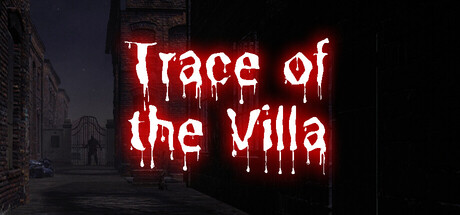
Trace of the Villa: why slow-burn suspense matters more than jump scares
Trace of the Villa edges toward psychological horror through atmosphere, not shock — a clue-driven mansion mystery about a man named Jin tracing his missing sister. Released 28 May, 2026 by Steadyturtle Co., Ltd., the game leans on environmental storytelling and paced investigation rather than constant surprises.

Who this is for
If you prefer atmospheric mystery adventure, methodical exploration, and a story that rewards patience, Trace of the Villa is aimed at you. It’s best-suited to players who enjoy environmental storytelling and puzzle-driven progress rather than twitch survival mechanics or loud set-piece horror.
What the game is
Trace of the Villa is an Action / Adventure / Indie title from developer and publisher Steadyturtle Co., Ltd. Its protagonist, Jin, follows clues to a remote, decaying mansion after years of searching for his missing sister. The Steam description highlights restored power revealing locked compartments, safes that yield fragments of encrypted documents, suspicious transfer records, and falsified identities — all building a sense that the house was part of a larger, secretive operation.
When and where
Trace of the Villa launched on Steam on 28 May, 2026 and is presented as a single-player PC experience. The Steam page lists the game’s genres and accessibility categories, including subtitle options, color alternatives, custom volume controls, and “playable without timed input.”
Why quiet tension and uncertainty matter
Quiet tension trades immediate fear for accumulating unease. In Trace of the Villa, the act of restoring power and watching systems come back online converts exploration into an investigative slow burn: every unlocked door and decrypted fragment reframes what you already saw. That uncertain accumulation — identities missing, rooms left mid-routine, financial trails that lead nowhere — creates persistent narrative friction. For many players, that friction produces longer-lasting dread than a string of jump scares.
How you read clues and progress
According to the Steam description, progression largely comes from investigation and puzzle resolution: restore estate power, access secured systems, find hidden compartments, open safes, and assemble fragments of documents and manifests. Environmental cues — furnished rooms with missing photographs and erased identities — function as both atmosphere and evidence. That design rewards careful observation and note-taking: small discoveries cascade into a broader picture of what the mansion was used for.
Quick facts
| Title | Trace of the Villa |
|---|---|
| Release date | 28 May, 2026 |
| Developer / Publisher | Steadyturtle Co., Ltd. |
| Genres | Action, Adventure, Indie |
| Categories | Single-player; Color Alternatives; Custom Volume Controls; Playable without Timed Input; Subtitle Options; Family Sharing |
| Steam page | Trace of the Villa on Steam |
Comparison: how Trace of the Villa sits among slow-burn psychological/atmospheric titles
Below is a concise editorial comparison focused on genre, atmosphere, puzzle emphasis, exploration style, pacing, and player fit. This is an editorial discovery table, not a ranking or endorsement.
| Title | Primary vibe | Puzzle vs survival | Exploration style | Pacing | Good for |
|---|---|---|---|---|---|
| Trace of the Villa (2026) | Mansion mystery; investigative, erased identities | Puzzle-driven investigation (document/safe unlocking, systems) | Clue-driven room-to-room exploration | Slow-burn suspense | Players who favor atmosphere and narrative puzzle solving |
| Amnesia: The Dark Descent (2010) | Immersive dread, first-person survival horror | Mix of puzzles and stealth/survival elements | Claustrophobic, continuous first‑person exploration | Gradual escalation with intense moments | Those who want terror through immersion and vulnerability |
| SOMA (2015) | Philosophical sci‑fi horror; existential unease | Puzzle and narrative; fewer combat mechanics | Lab/installation exploration with scripted reveals | Measured, contemplative with occasional tension peaks | Readers who prioritize story and atmosphere over jump scares |
| Layers of Fear (2016) | Psychological, ever-shifting Victorian manor | Environmental puzzles centered on narrative beats | Surreal, changing mansion spaces | Slow, artful escalation | Players drawn to cinematic, story-driven psychological horror |
| Poppy Playtime (2021) | Puzzle-adventure with toy-themed threats | Puzzle-first with stealth tension | Factory-layout exploration and set-piece puzzles | Mix of puzzling and sudden threat encounters | Players who like puzzle tools and episodic scares |
Player scenarios — who should wishlist it
- You like slow-burn mysteries: You enjoy tracing paper trails, returning to a room after a new clue, and letting atmosphere accumulate into dread.
- You prefer investigation over twitch: If timed inputs and frequent combat interruptions frustrate you, the “playable without timed input” tag and emphasis on safe unlocking and document fragments are promising.
- You appreciate accessibility options: Steam categories list color alternatives, custom volume controls, and subtitles — useful for players who need those supports.
- You enjoy story-rich exploration: The narrative premise (Jin searching for his sister) and the mansion’s erased identities will appeal to players who want plot uncovered via environment rather than direct exposition.
Official images and screenshots
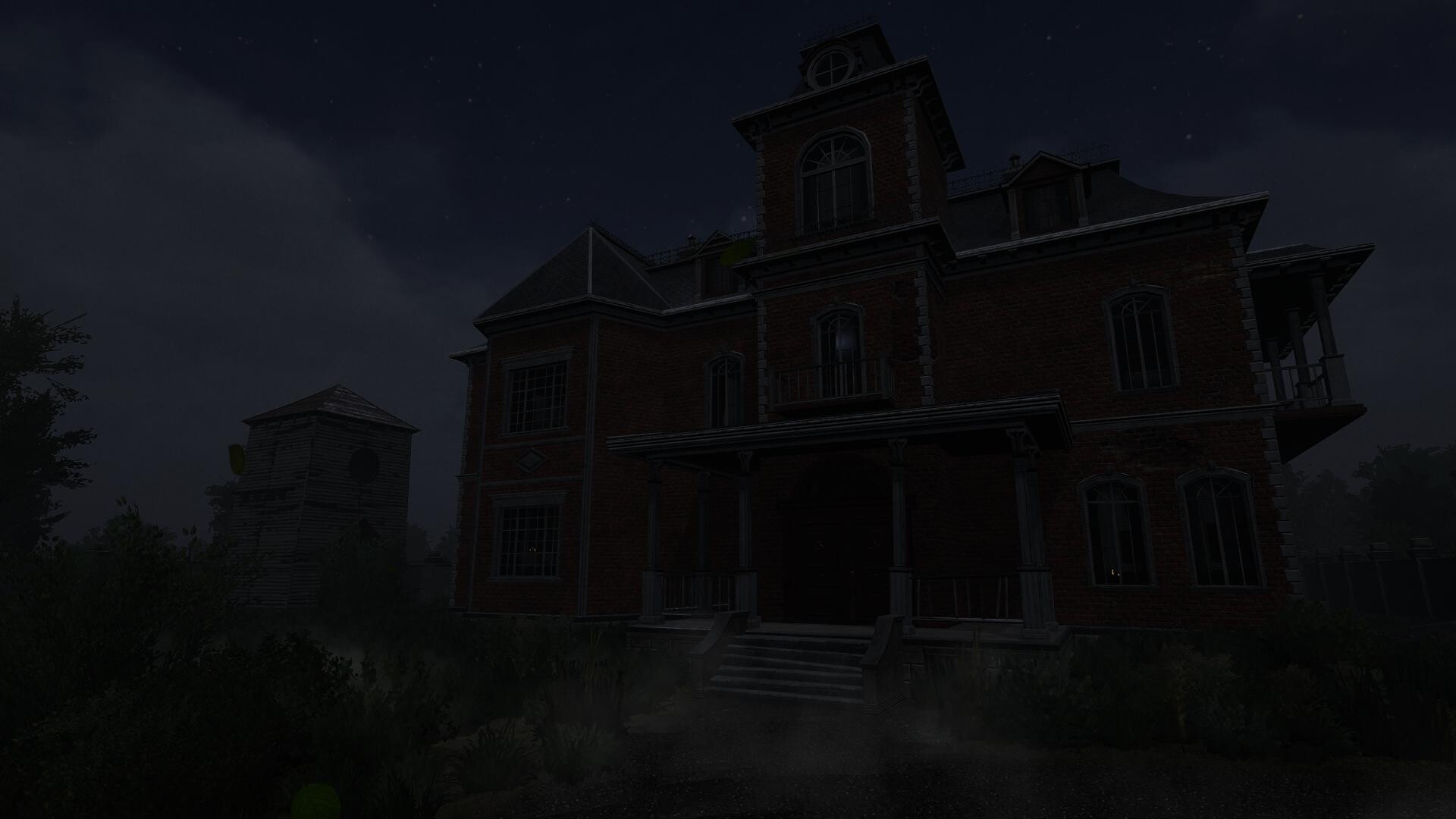

YouTube discovery
YouTube discovery
For trailer and gameplay discovery, use YouTube search rather than relying on unverified embeds: Find Trace of the Villa trailer and gameplay searches on YouTube.
Leave a Reply