
Trace of the Villa — a story-first mansion mystery where each small detail carries weight
Jin arrives at a decaying, off-grid mansion with manifests and hints suggesting his missing sister might still be alive. Trace of the Villa (Steadyturtle Co., Ltd., released 28 May, 2026) pitches itself as an atmospheric mystery adventure that asks players to read a house like a witness: restore systems, unlock sealed compartments, and follow financial and identity traces to a hidden operation.

Who should wishlist Trace of the Villa?
- Players who prefer story-first mystery design over fast action — those who want atmosphere, slow-burn suspense, and environmental storytelling.
- People drawn to clue-driven exploration: restoring power, unlocking safes, and piecing together manifests and encrypted documents to reconstruct who lived here and why.
- Fans of indie narrative adventures on PC/Steam who value investigative pacing and personal stakes (the protagonist Jin is searching for his missing sister).
What the game is (official facts)
| Title | Trace of the Villa |
|---|---|
| Developer / Publisher | Steadyturtle Co., Ltd. |
| Release date | 28 May, 2026 |
| Steam AppID | 3483660 |
| Genres | Action, Adventure, Indie |
| Categories | Single-player; Color Alternatives; Custom Volume Controls; Playable without Timed Input; Subtitle Options; Family Sharing |
| Official short premise | Jin searches a remote, decaying mansion where manifests and hints indicate his sister may still be alive. |
When and where — Steam context
Trace of the Villa launched on Steam on 28 May, 2026. It’s presented as a single-player PC experience and carries accessibility options listed on the store page such as subtitle options, color alternatives, and controls that support play without timed input.
Why the theme matters — what the mansion asks of the player
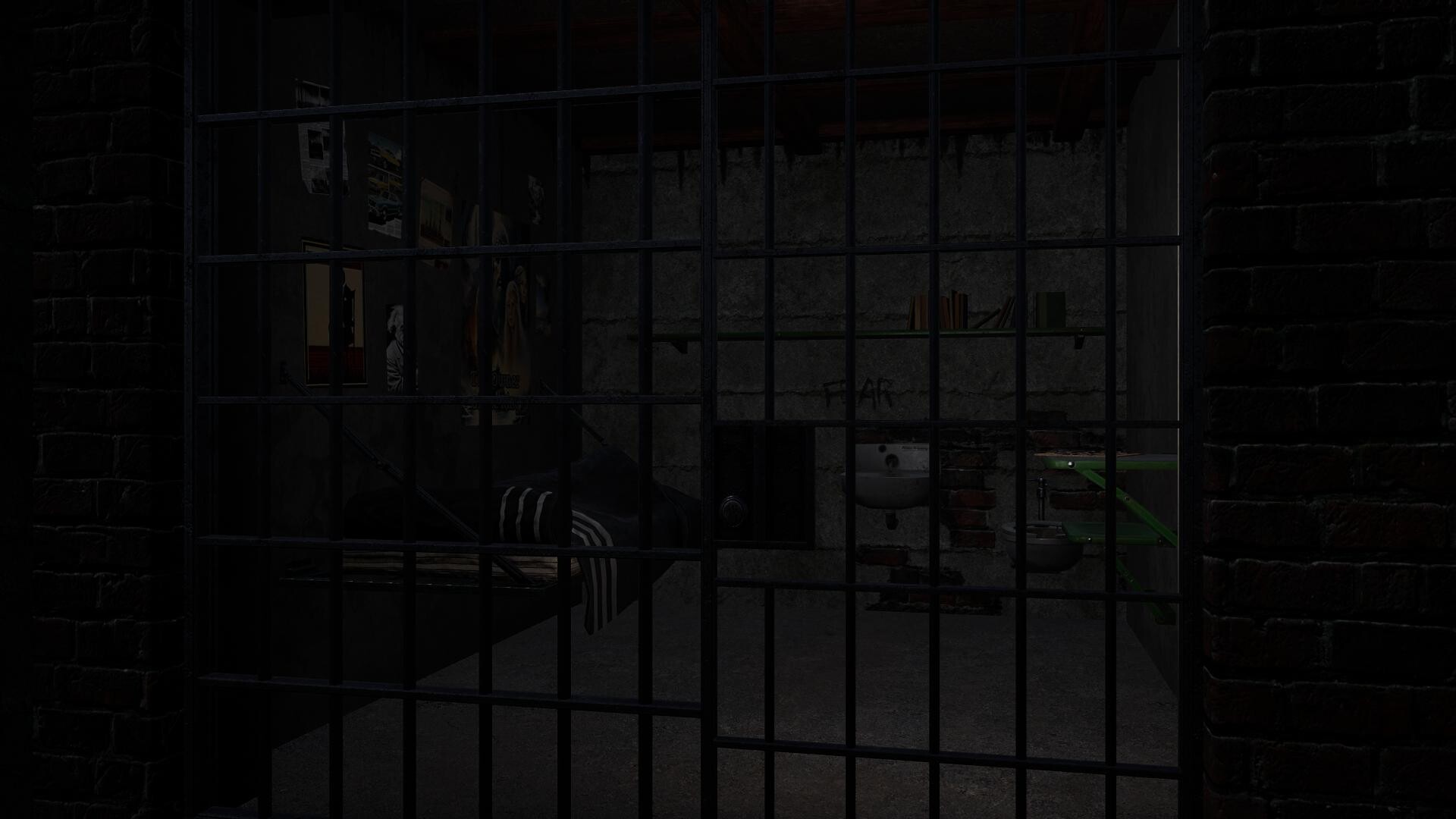
Trace of the Villa frames mystery as a forensic act. The official description emphasizes rooms left as if their occupants vanished mid-routine, erased identities, and falsified records. That set of constraints changes how narrative work is done: the game appears to make meaning out of absence and omission rather than explicit exposition. Restoring power and bringing systems back online is described as a catalyst — as you turn things back on, the house reveals concealed systems, safes, encrypted documents, and suspicious transfers. For players who enjoy reading silences and aligning small artifacts into a broader pattern, that design focus will be the main draw.
How you uncover meaning — the investigatory loop
According to the official description, progression is driven by discovery and reconstruction: find manifests and hints, restore estate systems, unlock hidden compartments, and follow financial and identity trails that don’t line up. Each solved puzzle yields more fragments — encrypted documents, transfer records, falsified identities — that suggest the mansion was part of a larger, carefully concealed operation. That implies a gameplay loop centered on environmental puzzle-solving, inventory-like evidence gathering, and narrative assembly rather than combat spectacle.

Player scenarios — who will get the most out of the experience
- The methodical reader: You pause at a table, examine receipts, and map out timelines. If you enjoy assembling loose documents into a single theory, this is for you.
- The atmospheric explorer: You value mood, sound, and staged scenes that imply history. If you want a game that favors subtle dread over jump scares, consider adding it to your wishlist.
- The puzzle piecer: You like puzzles that unlock narrative fragments—safes, encrypted files, and hidden compartments that reveal next steps rather than arbitrary fetch quests.
- The impatient action fan: If you prefer high-tempo combat or clear, frequent gameplay feedback loops, note that the official framing emphasizes investigation and reconstruction; this may be a slower, more contemplative pace.
How Trace of the Villa sits next to other mystery-forward indies
Below is a focused editorial comparison on lawful criteria: genre, atmosphere, puzzle focus, exploration style, story tone, pacing, and player fit. These comparisons are intended to help decide which players are best matched to Trace of the Villa’s investigative, story-first approach.
| Title | Genre / Core feel | Puzzle / Narrative focus | Exploration style | Story tone / Pacing | Player fit |
|---|---|---|---|---|---|
| Trace of the Villa | Action, Adventure, Indie — mansion mystery | Clue-driven: manifests, encrypted documents, safes; restoring systems reveals story | Interior, room-by-room forensic reading of a decaying estate | Slow-burn, personal investigation centered on missing person stakes | Players who prefer environmental storytelling and piecing together absences |
| Inscryption | Adventure, Indie, Strategy | Cards combine deckbuilding with escape-room puzzles and meta-secrets | Layered, meta-textual environments that shift between formats | Dark, psychological; mixes slow reveal with sudden structural surprises | Players who like genre-blending mechanics and confronting meta-mystery |
| Outer Wilds | Action, Adventure | Exploration-based mystery where environmental clues reveal cosmic patterns | Open-world solar system with nonlinear discovery | Curious, systemic; pacing set by player curiosity and time-loop mechanics | Players who enjoy large-scale mystery piecing and emergent discovery |
| Journey | Adventure, Indie | Emotion-first exploration with symbolic environmental meaning | Linear but atmospheric traversal across varied landscapes | Quiet, poetic; emphasis on mood and short-form discovery | Players seeking contemplative, nonverbal storytelling |
| The Forgotten City | Adventure, Indie, RPG | Dialogue and time-loop mechanics that let narrative puzzles decide outcomes | Contextual exploration in a single, dense location (ancient city) | High-concept mystery with moral stakes and puzzle-driven consequences | Players who enjoy repeating runs to test hypotheses and uncover truth |
| The Medium | Adventure | Dual-reality exploration revealing trauma and dark secrets | Interleaved real and spirit-realm spaces | Psychological, haunted; steady pacing with narrative reveal | Players who like psychological horror mixed with investigative exploration |
Deciding: should you wishlist it?
Add Trace of the Villa to your wishlist if you prioritize narrative puzzle design, slow-burn suspense, and careful reading of environmental clues. If you expect constant action or broad open-world traversal, the Steam page positions this more as a focused mansion mystery built around evidence reconstruction and identity traces.
YouTube discovery
If you want to see trailers or gameplay footage before you buy, search YouTube for Trace of the Villa trailers and gameplay: Search Trace of the Villa on YouTube. The link is
Leave a Reply