Who should consider Trace of the Villa after enjoying atmospheric mystery adventures
Trace of the Villa is a story-driven, clue-heavy mansion mystery that puts investigation and environmental storytelling front and center. If you’re drawn to slow-burn suspense, piecing together fragmented records, and exploration that feels like reading a house’s memory, this Steadyturtle Co., Ltd. release (out 28 May, 2026) is worth a look.

Quick facts
| Title | Trace of the Villa |
|---|---|
| Release date | 28 May, 2026 |
| Developer / Publisher | Steadyturtle Co., Ltd. |
| Genres | Action, Adventure, Indie |
| Categories / Features | Single-player; Color Alternatives; Custom Volume Controls; Playable without Timed Input; Subtitle Options; Family Sharing |
| Steam store | View Trace of the Villa on Steam |
5W1H: who, what, when, where, why, how
Who is this for?
Players who favor atmospheric mystery adventure and narrative puzzle design over twitch reflexes. The Steam page frames Trace of the Villa as a personal investigation — Jin searching for his missing sister — so it will appeal to those who want a protagonist-driven reason to comb through rooms, restore systems, and read documents that shift the story forward.
What is the game?
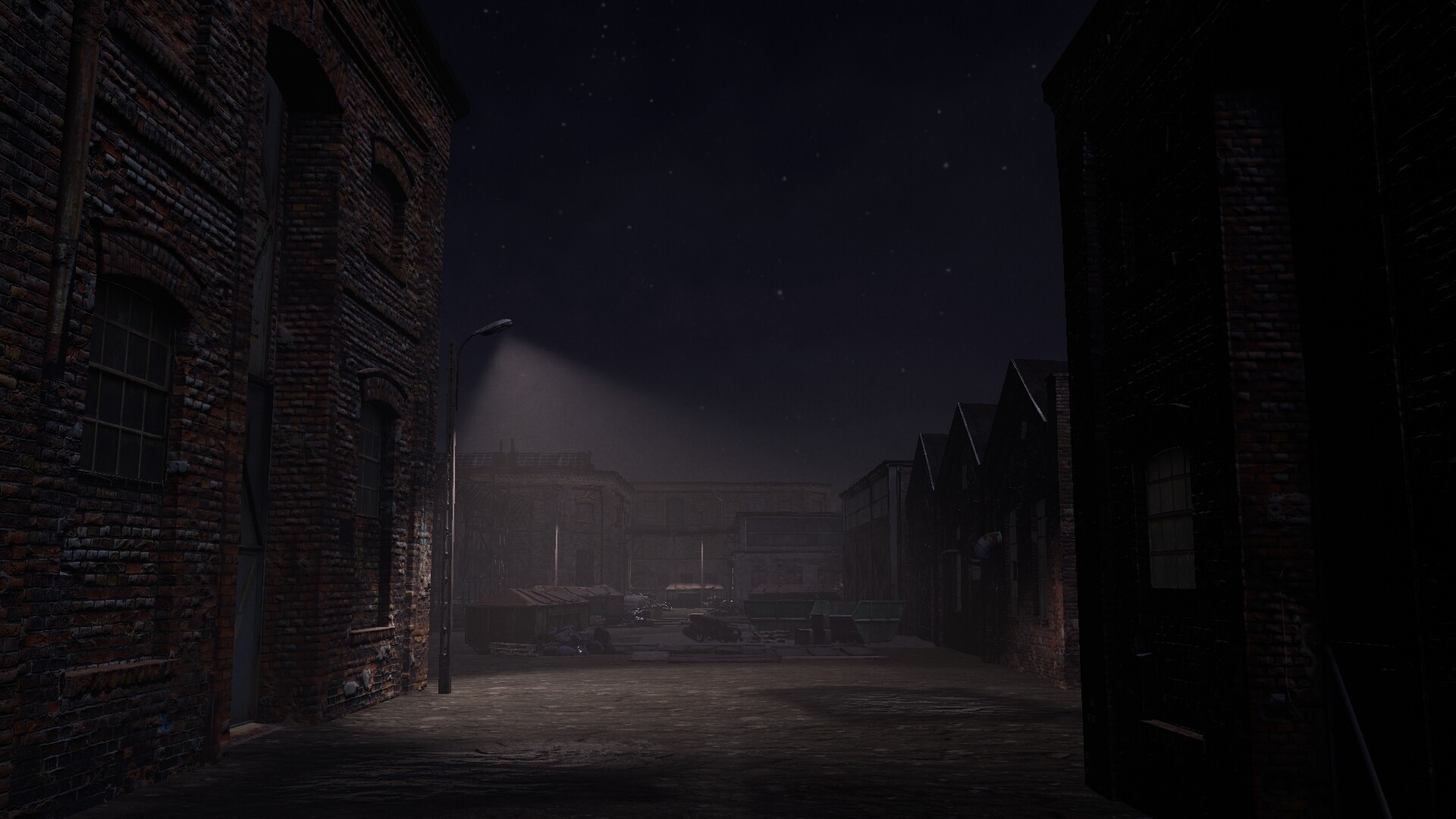
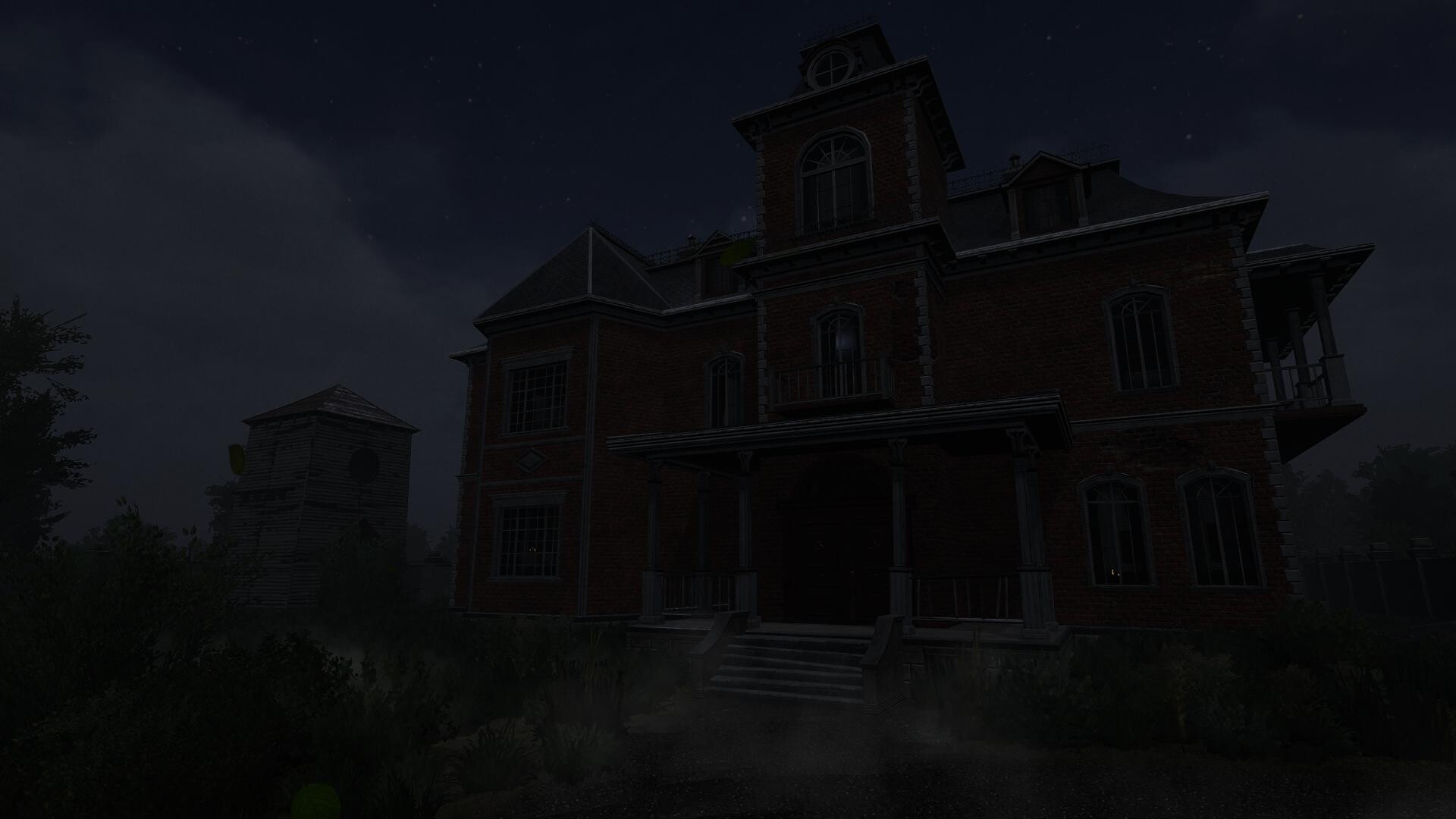
Trace of the Villa is an Action/Adventure indie on PC that blends exploration, environmental storytelling, and puzzles. The official short description and full description emphasize a decaying, deliberately forgotten mansion, locked doors, safes, encrypted documents and the act of restoring power and systems to reveal hidden information.
When and where is it available?
The game released on 28 May, 2026 on Steam. It’s presented as a single-player PC experience with accessibility options such as subtitle choices and color alternatives listed in its Steam categories.
Why does the theme matter?
The premise — a house that appears “erased” and systems that must be brought back online — frames the play loop as discovery through reconstruction. If you appreciate mysteries that feel like forensic reading of an environment (documents, transfer records, locked compartments), that approach changes how a story unfolds: progress is reward for attentive observation rather than combat prowess.
How do you progress?
According to the official description, progress comes from restoring power and accessing secured systems, unlocking hidden compartments and safes, and interpreting fragments of encrypted documents and manifests. The Steam page emphasizes clues recovered from the mansion’s infrastructure and personal effects; expect a clue-driven exploration loop where each solved puzzle reveals another layer of the operation that took place at the estate.
Which players should wishlist Trace of the Villa?
- Fans of slow-burn, story-rich adventure who like piecing together timelines from objects and records.
- Players who prefer single-player mystery experiences with subtitle and accessibility options listed on Steam.
- Those who enjoy detective-style loops where environmental changes (power, unlocked systems) open new avenues of investigation.
- Not ideal if you want heavy combat or multiplayer content; Steam categories list it as single-player with puzzle and exploration emphasis.
How Trace of the Villa compares to nearby mystery/puzzle games
The table below is an editorial comparison by tone, pacing, clues and exploration—intended to help you decide fit, not to rate or rank.
| Title | Tone | Pacing | Puzzles / Clue Focus | Exploration Style | Player fit |
|---|---|---|---|---|---|
| Trace of the Villa | Personal, unsettling mansion mystery (protagonist Jin searching for a sister) | Slow-burn investigative; progress via restoring systems | Document fragments, safes, encrypted records, secured systems | Room-to-room environmental reading; systems-based unlocks | Players who like narrative puzzles and atmospheric investigation |
| Amnesia: The Dark Descent (2010) | Horror-focused, oppressive dread | Often tense and reactive, with survival-horror beats | Puzzle and avoidance; object-use within a horror framework | First-person immersive corridors and manor spaces | Players seeking chilling immersion and survival tension |
| SOMA (2015) | Philosophical sci-fi horror | Measured, with narrative and atmosphere driving pacing | Environmental puzzles and story-driven discoveries | Exploration of layered, interconnected facilities | Players who want existential themes and slow atmospheric reveal |
| Layers of Fear (2016) | Psychological, painter-focused dread in a Victorian setting | Psychological shifts create unpredictability in pacing | Scene-based puzzles combined with shifting architecture | House that literally changes as you progress | Players drawn to unstable, surreal mansion narratives |
| The Room (2014) | Focused, tactile mystery built around puzzle boxes | Often puzzle-focused and concentrated; brisker scene-to-scene | Mechanical, object-centric puzzles with tactile solutions | Contained rooms and devices rather than open exploration | Players who prefer dense mechanical puzzles and puzzle-box satisfaction |
| Rusty Lake Hotel (2016) | Darkly whimsical and surreal | Compact episodic pacing across discrete puzzles | Point-and-click logic puzzles tied to narrative vignettes | Small, focused scenes rather than wide exploration | Players who like short-form, vignette-driven puzzle adventures |
Player scenarios — who will enjoy it most
Scenario A: You loved SOMA’s deliberate reveals but prefer grounded, less cosmic horror
If you liked SOMA’s methodical storytelling and want a game that trades oceanic sci‑fi for a domestic, forensic mystery (locked rooms, encrypted paperwork), Trace of the Villa’s mansion-as-evidence approach may be a good fit.
Scenario B: You enjoy The Room’s puzzle density but want broader exploration
Players who appreciate tactile puzzle-solving in The Room but miss moving between spaces to collect context will find Trace of the Villa’s room-to-room exploration and systems-restoration loop appealing; puzzles here are more entwined with narrative and environmental clues.
Scenario C: You want atmosphere without frequent jump scares
For those who prefer a suffocating silence and unnerving discovery to jump-scare horror, Trace of the Villa’s emphasis on an “erased” household and document-led reveals aligns with slow-burn
YouTube discovery
For trailer and gameplay discovery, use YouTube search rather than relying on unverified embeds: Find Trace of the Villa trailer and gameplay searches on YouTube.
Leave a Reply